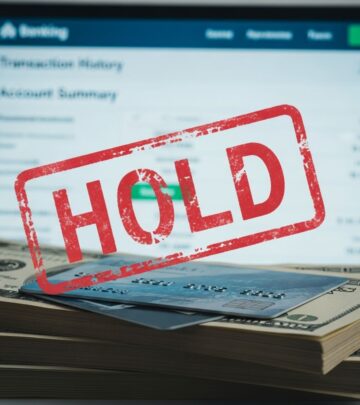
Bank Account Frozen: Causes and Fixes
Discover why banks freeze accounts, from fraud flags to debt judgments, and get proven steps to regain access fast.

Your bank account being frozen can disrupt daily life, blocking access to funds for bills, groceries, or emergencies. This guide breaks down the main triggers, immediate impacts, resolution timelines, and practical strategies to lift the freeze, drawing from regulatory practices and real-world scenarios.
Understanding a Frozen Bank Account
A frozen bank account restricts outgoing transactions while allowing incoming deposits and balance checks. Banks implement this measure to mitigate risks or comply with legal directives, ensuring funds remain intact until issues are resolved.
You might notice the freeze when debit card payments fail, ATM withdrawals are denied, or transfers bounce. Direct deposits like paychecks can still post, but you cannot spend or move those funds outward. This setup protects against unauthorized losses but creates urgent cash flow problems.
- Key restrictions: No withdrawals, no transfers, no bill payments via the account.
- Preserved access: View balances, receive deposits, contact support.
- Common notifications: Email, app alert, or letter explaining the hold.
Primary Reasons Banks Freeze Accounts
Banks freeze accounts for protective, regulatory, or enforcement purposes. Identifying the cause is crucial for swift resolution.
Fraud Detection and Suspicious Patterns
Financial institutions monitor transactions using algorithms that flag anomalies like sudden large deposits, rapid transfers, or activity from new locations. These patterns suggest potential fraud, money laundering, or account takeover.
For instance, receiving unexpected high-value wires or frequent peer-to-peer sends can trigger automated holds. Banks prioritize security, freezing access to prevent further harm while investigating.
Legal Judgments and Debt Collection
Creditors with court judgments can request account freezes via writs of garnishment. This legal tool seizes funds to satisfy debts such as unpaid loans, medical bills, child support, or credit card balances.
| Debt Type | Freeze Trigger | Typical Amount Seized |
|---|---|---|
| Credit Card Debt | Post-judgment garnishment | Up to 25% of disposable income |
| Child Support/Alimony | Court order | 50-65% of disposable earnings |
| Taxes | IRS or state levy | Full balance if non-exempt |
| Student Loans | Default judgment | 15% of disposable income |
Notice often arrives after the freeze, as banks must act on court orders immediately.
Regulatory Compliance: AML and KYC Violations
Anti-Money Laundering (AML) and Know Your Customer (KYC) rules mandate banks to verify identities and fund sources. Incomplete profiles, mismatched documents, or high-risk transactions prompt freezes until compliance is confirmed.
New accounts or dormant ones reactivated with large activity face extra scrutiny. Providing ID, proof of income, or transaction explanations resolves most cases.
Government Actions and Investigations
Tax authorities like the IRS issue levies for unpaid taxes. Law enforcement freezes accounts during probes into fraud, terrorism financing, or sanctions violations. These holds persist until clearance.
How Long Does an Account Freeze Last?
Freeze duration varies by cause, from hours to years.
- Temporary holds (fraud/KYC): 1-3 weeks after documentation submission.
- Debt-related: Until payment or exemption claim, often 7-30 days.
- Legal/investigative: Months to years, pending court or agency resolution.
Proactive contact shortens timelines significantly.
Immediate Steps When Your Account is Frozen
Act fast to minimize disruption.
- Confirm the freeze: Log in online or call the bank’s fraud/legal department for the exact reason.
- Gather documents: ID (driver’s license, passport), recent statements, pay stubs, debt correspondence.
- Contact creditors: If debt-related, negotiate settlements or payment plans.
- Check exemptions: Social Security, disability, or certain wages may be protected—file a claim promptly.
Protecting Exempt Funds
Federal law shields benefits like SSI, VA payments, and federal unemployment from garnishment. State laws vary; Texas, for example, protects current wages up to certain limits. Request the bank release these funds immediately, escalating to court if denied.
Strategies to Unfreeze Your Account
Direct Bank Engagement
Visit a branch or use secure chat/phone. Explain your situation, submit KYC docs, or authorize reviews. Banks lift holds once risks clear.
Addressing Debt and Legal Holds
Pay the judgment, set up payments, or file for exemptions/hardship. Hire a consumer attorney for complex cases to challenge improper garnishments.
Preventing Failed Payments
Update autopay sources, inform employers of direct deposit issues, and use alternative accounts temporarily.
Preventing Future Account Freezes
- Maintain updated KYC info annually.
- Separate personal/business accounts to avoid mixed signals.
- Monitor statements for unusual activity.
- Pay debts promptly or negotiate before judgments.
- Use multiple banks for payroll/emergency funds.
Potential Costs and Pitfalls
Freezes trigger NSF fees on bounced checks ($30-40 each). Creditors may seize non-exempt funds post-freeze. Delays compound interest on debts.
Frequently Asked Questions
Can banks freeze accounts without notice?
Yes, especially for court orders or fraud—they comply first, notify after.
What if I need money urgently during a freeze?
Request exempt fund releases, use credit cards (if available), or seek community aid programs.
Does a freeze affect my credit score?
Not directly, but underlying debts or missed payments do.
Can I close a frozen account?
No, until lifted; transfers to new accounts may also trigger holds.
Who to contact for IRS tax levies?
IRS directly at 1-800-829-1040 or a tax professional.
Long-Term Financial Safeguards
Build emergency funds in protected accounts, review credit reports yearly via AnnualCreditReport.com, and consult financial advisors for debt management. Proactive habits reduce freeze risks dramatically.
References
- Frozen Bank Account: Why It Happens & What to Do — Icon.Partners. 2023. https://www.icon.partners/post/account-freeze-explained
- Frozen Account: What It Means & How to Prevent It — Paystand. 2023. https://www.paystand.com/blog/frozen-account
- My Bank Account Has Been Frozen: Now What? — Texas Law Help (texaslawhelp.org). 2024-01-15. https://texaslawhelp.org/article/my-bank-account-has-been-frozen-now-what
- Why Is My Bank Account Frozen? Your Rights and Solutions — Nolo. 2023. https://www.nolo.com/legal-encyclopedia/frozen-bank-accounts.html
- Why Your Bank Account May Be Frozen—and What to Do About It — National Debt Relief. 2024-02-20. https://www.nationaldebtrelief.com/blog/financial-wellness/financial-education/why-your-bank-account-may-be-frozen-and-what-to-do-about-it/
- How They Lock Your Accounts Fast (And the 2 Defenses) — YouTube (LegalEagle?). 2023-05-10. https://www.youtube.com/watch?v=crCfq5gZAGQ
- 3 Reasons Why You Have a Frozen Bank Account — SoFi. 2024. https://www.sofi.com/learn/content/reasons-why-your-bank-account-is-frozen/
Similar Articles








Read full bio of medha deb