Ball State University: Education Redefined
Discover Ball State University: A leader in immersive learning and career preparation.
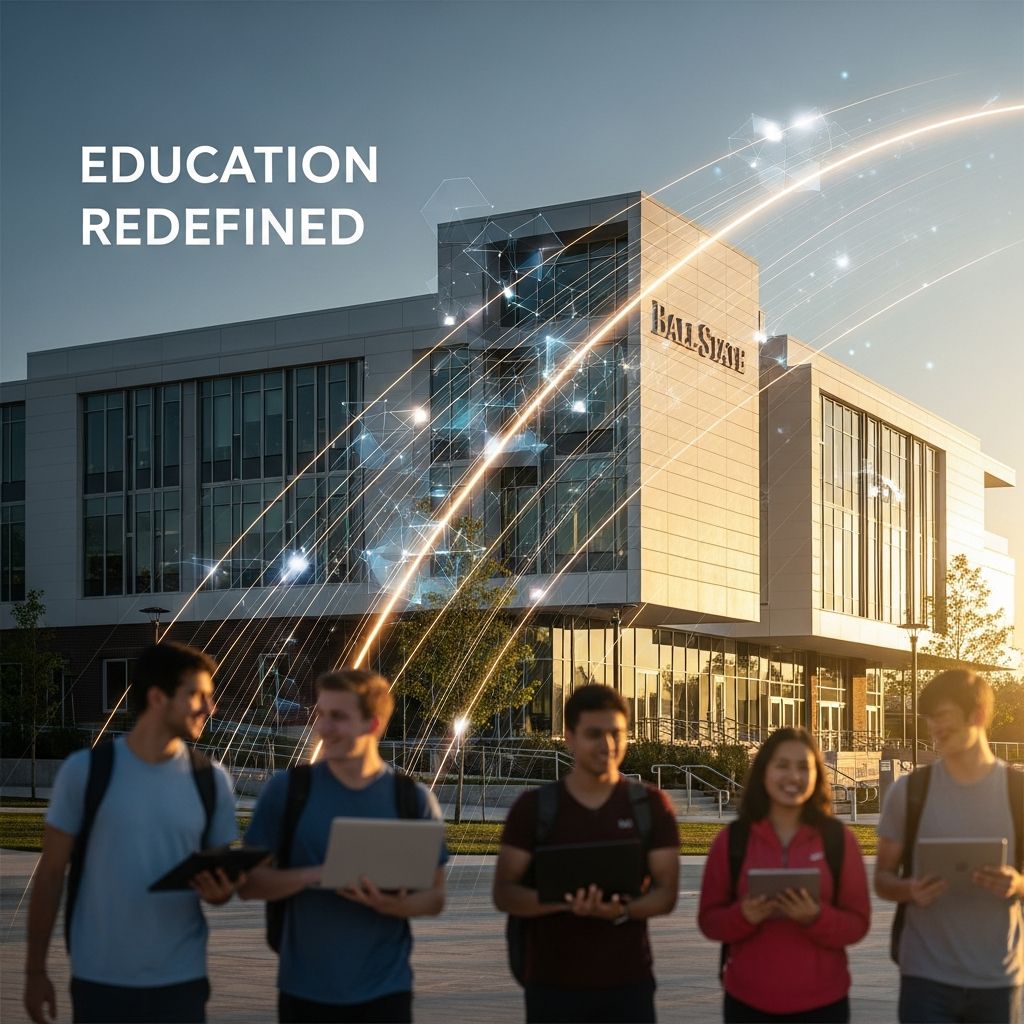
Ball State University: Education Redefined for Modern Learners
Ball State University stands as a public research institution located in Muncie, Indiana, serving as a comprehensive educational hub for over 20,200 students pursuing diverse academic paths. Founded in 1918 and granted university status in 1965, Ball State has evolved into a modern institution that balances the advantages of a large research university with the personalized attention typically associated with smaller liberal arts colleges. The university’s commitment to excellence is reflected in its strategic initiatives, academic rigor, and innovative learning methodologies that prepare graduates for meaningful careers and fulfilling lives.
The Immersive Learning Philosophy
At the core of Ball State University’s educational approach lies its flagship commitment to “immersive learning,” a philosophy that transforms traditional classroom instruction into experiential, real-world engagement. Rather than limiting education to textbooks and lectures, Ball State integrates research projects, community-based initiatives, and capstone requirements into nearly every academic program. This methodology ensures that students develop practical skills alongside theoretical knowledge, making them immediately productive contributors in their chosen fields. Since adopting Education Redefined as its institutional motto, Ball State has facilitated over 1,250 immersive learning projects that have impacted residents across all 92 Indiana counties, demonstrating the tangible community benefit of this pedagogical approach.
Academic Structure and Program Offerings
Ball State University comprises ten academic colleges offering comprehensive educational opportunities across multiple credential levels. The institution provides students with extraordinary academic breadth: five associate degrees, 119 bachelor’s programs, 78 master’s degrees, 15 doctoral programs, and 60 post-baccalaureate certificates. This extensive curriculum spans five primary streams including Business and Management Studies, Architecture and Planning, Science, Humanities and Social Sciences, and Teaching and Education.
The university’s most distinguished academic programs include communications, theater, education, and architecture, which consistently attract highly motivated students and garner recognition from national ranking organizations. Students benefit from an average class size of 21 students in fall 2020 and a favorable student-to-teacher ratio of 16 to 1. Importantly, more than 90 percent of undergraduate classes are taught by full-time faculty members, ensuring consistent quality instruction and meaningful faculty-student relationships that enhance learning outcomes and mentorship opportunities.
Campus Environment and Facilities
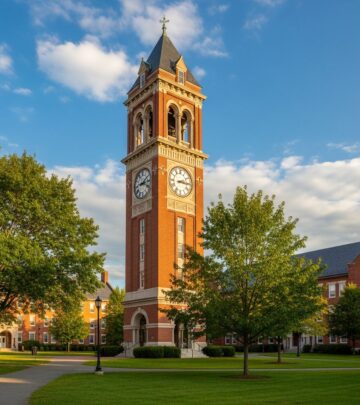
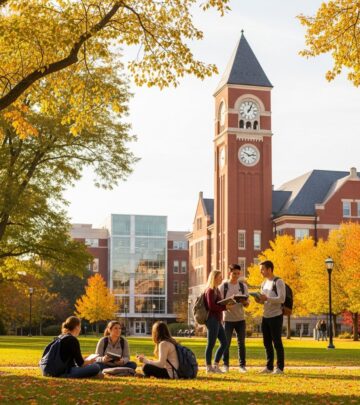
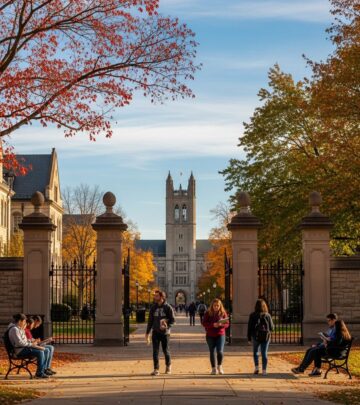
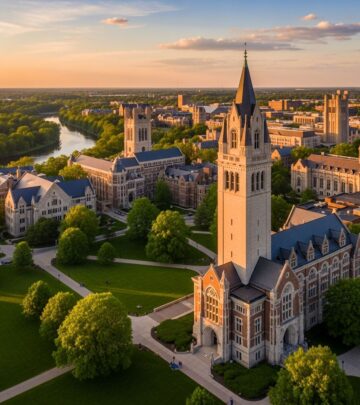
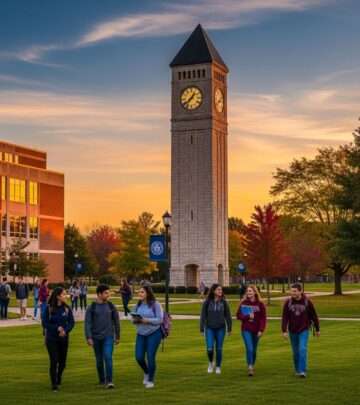
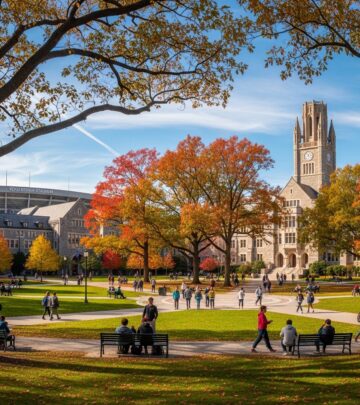
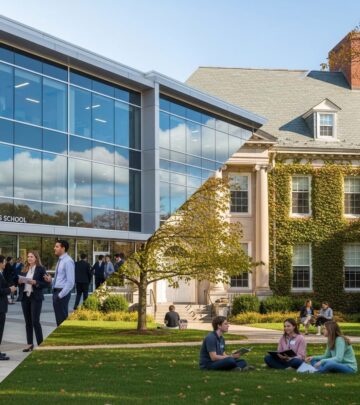
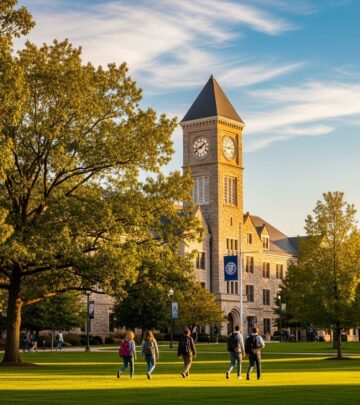
The main Ball State campus spans 731 acres encompassing 109 buildings totaling 7,203,801 square feet of academic and residential space. Located approximately one mile northwest of downtown Muncie, the campus combines Tudor-Gothic and modern architectural styles, creating an aesthetically distinctive environment that supports both intellectual and social development. The university manages an additional 400 acres dedicated to research initiatives, providing students with access to cutting-edge laboratory and field research facilities.
State-of-the-art facilities include internet-equipped classrooms, sophisticated laboratories, comprehensive libraries, recreational centers, and entertainment venues that foster an engaged campus community. The residential areas feature well-maintained dormitories with supportive community programming, while academic buildings remain within convenient walking distance, promoting accessible education and vibrant campus life. These thoughtfully designed spaces contribute to the overall student experience and facilitate the collaborative learning environment that Ball State emphasizes.
Student Population and Diversity
Ball State University enrolls approximately 21,500 students representing diverse geographic and demographic backgrounds. The current enrollment profile includes 14,900 undergraduates and 5,500 graduate and doctoral students. While Indiana residents comprise approximately 74 percent of enrollment, out-of-state students account for about 25 percent, and the university welcomes more than 300 international students from around the world. The student body maintains ethnic diversity, with minorities representing approximately 23 percent of enrollment. Additionally, 65 percent of the undergraduate population identifies as female, creating a well-balanced learning community with varied perspectives and experiences.
Recent enrollment data from Fall 2025 demonstrates strong institutional momentum, with 3,733 new freshmen enrolling—the third consecutive year exceeding pre-pandemic averages. This incoming class exhibits academic excellence with an average high school GPA of 3.58, while nearly 46 percent qualify for Pell Grants and 29 percent are first-generation students, reflecting Ball State’s commitment to educational access and social mobility.
Strategic Vision and Innovation for 2025-2030
Ball State University’s refreshed 2025-2030 Strategic Plan builds upon its long-term Destination 2040 initiative while introducing innovative approaches to contemporary educational challenges. The plan reaffirms the university’s core mission and values while establishing five overarching institutional goals designed to enhance educational quality and relevance.
New strategic initiatives include enhanced purpose exploration opportunities for students seeking career clarity, relationship-rich education models that deepen faculty-student connections, and systematic integration of artificial intelligence into teaching methodologies, research infrastructure, and operational systems. Throughout these initiatives, Ball State remains steadfast in protecting academic freedom, freedom of expression, and fostering understanding of intellectual and cultural diversity—principles essential to higher education’s role in democratic society.
Graduate Success and Career Outcomes
Ball State University demonstrates exceptional career preparation effectiveness through measurable graduate outcomes. The institution reports a 94 percent placement rate for graduates, indicating that nearly all students secure meaningful employment or pursue further education within defined timeframes following graduation. This strong placement record reflects the effectiveness of the immersive learning philosophy and the practical skills students develop through hands-on projects and capstone experiences.
The university boasts 200,000 alumni worldwide who continue contributing to their professions and communities. Four out of five students qualify for financial aid, reducing financial barriers and enabling broader access to quality education. The combination of affordable tuition, robust financial aid availability, and career-focused programming creates pathways for economically diverse students to achieve educational and professional success.
Financial Aid and Affordability
Ball State University serves as an inexpensive public research institution, making quality higher education accessible to students across socioeconomic backgrounds. The university’s commitment to affordability is demonstrated through extensive financial aid availability, with approximately 80 percent of students receiving some form of financial assistance. This accessibility aligns with institutional values of social mobility and equal opportunity, enabling talented students from all backgrounds to pursue their educational aspirations without prohibitive debt burdens.
Online Education and Modern Learning Modalities
Recognizing evolving educational preferences and accessibility needs, Ball State University offers robust online programming that maintains the same quality and rigor as on-campus instruction. Six Ball State online programs earned top 25 rankings in the 2025 US News & World Report “Best Online Programs” listings, demonstrating the institution’s excellence in distance education delivery. These programs enable working professionals, students with geographic constraints, and others seeking flexible scheduling to access Ball State’s distinguished academic offerings.
Accreditation and Academic Quality Assurance
Ball State University maintains continuous accreditation from The Higher Learning Commission since 1925, reflecting sustained commitment to academic quality, institutional integrity, and continuous improvement. This long-standing accreditation status assures students, employers, and educational partners that Ball State programs meet rigorous national standards and demonstrate accountability through regular external review processes.
Community Partnerships and Economic Vitality
Ball State University’s mission extends beyond campus boundaries through strategic partnerships designed to enhance community development and regional economic vitality. The university’s historic partnership with Muncie Community Schools exemplifies this commitment, bringing university resources and student talent to support local educational initiatives. Through immersive learning projects reaching all 92 Indiana counties, Ball State students and faculty contribute meaningfully to community challenges while students gain practical experience addressing real-world problems.
Student Life and Engagement Opportunities
Beyond academics, Ball State offers more than 300 student organizations providing diverse engagement opportunities. These clubs and organizations enable students to develop leadership skills, build social connections, pursue shared interests, and contribute to campus culture. The vibrant student life programming, combined with recreational facilities and entertainment venues, creates a holistic college experience that supports personal growth alongside academic achievement.
Frequently Asked Questions About Ball State University
Q: What makes Ball State’s immersive learning approach unique?
A: Ball State’s immersive learning integrates real-world projects, research initiatives, and community-based learning into academic curricula, ensuring students develop practical skills alongside theoretical knowledge. This approach has generated over 1,250 impact projects across Indiana’s 92 counties.
Q: What is the student-to-faculty ratio at Ball State?
A: Ball State maintains a 16-to-1 student-to-faculty ratio with an average class size of 21 students. More than 90 percent of undergraduate classes are taught by full-time faculty, ensuring consistent quality instruction and meaningful mentorship.
Q: How affordable is Ball State University?
A: Ball State is an inexpensive public research institution with approximately 80 percent of students receiving financial aid. Four out of five students qualify for some form of financial assistance, making quality education accessible across socioeconomic backgrounds.
Q: What is Ball State’s graduate employment rate?
A: Ball State reports a 94 percent placement rate for graduates, indicating that nearly all students secure meaningful employment or pursue further education following graduation.
Q: Does Ball State offer online programs?
A: Yes, Ball State provides comprehensive online programming with six programs ranked in the top 25 nationally by US News & World Report’s “Best Online Programs” listings for 2025.
Q: How diverse is Ball State’s student body?
A: Ball State enrolls approximately 21,500 students including 14,900 undergraduates and 5,500 graduate students. Ethnic minorities comprise 23 percent of enrollment, international students exceed 300, and 65 percent of undergraduates are female.
Q: What are Ball State’s most distinguished academic programs?
A: Ball State’s most distinguished programs include communications, theater, education, and architecture. The university offers 119 bachelor’s degrees, 78 master’s degrees, and 15 doctoral programs across ten academic colleges.
References
- Ball State University Institutional Profile — Ball State University Office of Institutional Research. 2025-09-26. https://www.bsu.edu/about
- Ball State University Board of Trustees Highlights Fall 2025 Enrollment — Ball State University News Center. 2025-09-26. https://www.bsu.edu/news/press-center
- Ball State University General Information and Mission — Ball State University Catalog. 2024-2025. https://bsu.smartcatalogiq.com/en/2024-2025/undergraduate-catalog/general-information
- Ball State University Strategic Plan 2025-2030 — Ball State University Communications Center. 2025. https://commcenter.bsu.edu/message/explore-ball-state-s-strategic-vision-for-2025-2030
- The Higher Learning Commission Accreditation Standards — The Higher Learning Commission. 2025. https://www.hlcommission.org
Similar Articles








Read full bio of Sneha Tete