Balance Transfers: 5-Step Guide To Save On Credit Card Debt
Discover if moving credit card debt to a new card with low rates can save you money and accelerate payoff.

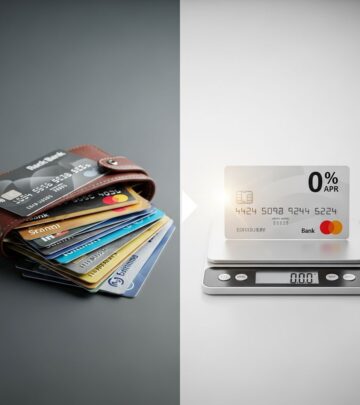
Transferring debt from a high-interest credit card to one offering a promotional low or 0% APR can significantly cut interest costs and speed up repayment. This approach works best when you have discipline to pay down the balance before the offer expires.
Understanding Balance Transfers in Depth
A balance transfer involves shifting outstanding credit card balances to a new account, often with a temporary reduced interest rate. Financial institutions like banks and credit unions provide these options to attract customers seeking debt relief. The core appeal lies in pausing interest accrual, allowing more of your payments to reduce principal rather than finance charges.
Unlike regular purchases, transferred amounts typically qualify for special introductory rates separate from standard card APRs. These promotions last 6 to 21 months, depending on the issuer. Post-promotion, rates revert to the card’s standard level, which could exceed 20%.
Key Benefits of Using Balance Transfers
- Interest Savings: Avoid high APRs on existing debt; a 0% intro period lets payments target the balance directly.
- Debt Consolidation: Combine multiple cards into one payment, simplifying tracking and budgeting.
- Faster Payoff: Without interest drag, even modest monthly payments reduce debt quicker.
- Credit Score Potential Boost: Lower utilization on old cards can improve scores if managed well.
For instance, moving $5,000 from a 15% APR card to a 0% intro offer over 12 months could save over $250 in interest, assuming consistent payments.
Hidden Costs and Fees to Watch
While attractive, balance transfers aren’t free. Most issuers charge a fee of 3% to 5% of the transferred amount. For $10,000, that’s $300 to $500 upfront.
| Transfer Amount | 3% Fee | 5% Fee |
|---|---|---|
| $1,000 | $30 | $50 |
| $5,000 | $150 | $250 |
| $10,000 | $300 | $500 |
Additional pitfalls include limits on transferable amounts, often capped below your full credit line, and restrictions against transferring within the same issuer.
Step-by-Step Guide to Executing a Transfer
- Assess Your Situation: Review current balances, APRs, and minimum payments. Calculate potential savings using online tools.
- Compare Offers: Seek cards with long 0% periods and low fees. Check eligibility based on credit score.
- Apply and Request Transfer: Many applications allow immediate transfer requests. Provide old account details: number, balance, issuer address.
- Await Processing: Transfers take 2-14 days. Continue old card payments to avoid penalties.
- Verify and Pay Aggressively: Confirm the transfer posts correctly, then prioritize payoff before promo ends.
Pro tip: Use autopay for at least the minimum, but aim higher to maximize savings.
Real-World Savings Calculator Example
Consider this scenario: $8,000 debt at 18% APR with $200 monthly payments.
| Scenario | Total Paid | Time to Payoff | Interest Cost |
|---|---|---|---|
| Stay on High-APR Card | $10,450 | 58 months | $2,450 |
| 0% Transfer (18 mos, 4% fee) | $8,520 | 42 months | $520 |
| Savings | $1,930 | 16 months | $1,930 |
These figures highlight how even with fees, net savings are substantial if paid off timely.
Risks and Common Mistakes to Avoid
Not all situations favor transfers. Key risks include:
- Promo Expiration: Unpaid balances accrue at high post-intro APRs, worsening debt.
- New Charges: Purchases on the new card may not get 0% and could extend payoff.
- Credit Impact: Applications trigger hard inquiries; high utilization hurts scores temporarily.
- Fee Erosion: Small balances may not justify fees if savings are minimal.
Avoid by projecting payoff timelines and committing to a budget. If discipline lacks, consider debt management plans instead.
Ideal Candidates for Balance Transfers
This strategy suits those with good credit (670+ FICO) for best offers, steady income for payments, and debt under $15,000. It’s less ideal for maxed-out cards or those prone to new spending.
Alternatives When Transfers Aren’t Right
- Debt Consolidation Loans: Fixed-rate personal loans at 7-12% APR for qualified borrowers.
- 0% Purchase Cards: For new spending, not transfers.
- Credit Counseling: Nonprofit agencies negotiate lower rates.
- Debt Avalanche/Snowball: Prioritize high-interest or small balances on existing cards.
Frequently Asked Questions
Can I transfer balances from loans?
Yes, some cards accept non-credit card debt like personal loans, but confirm terms.
How long do transfers take?
Typically 2 weeks; pay old minimums meanwhile.
Does it affect my credit score?
Short-term dip from inquiry, but long-term gain from lower utilization.
What if I can’t pay off before promo ends?
Balance shifts to standard APR; plan payments to avoid this.
Are there fee-free options?
Rare; most charge 3-5%, but shop for lowest.
Maximizing Success with Balance Transfers
To thrive, pair transfers with budgeting apps tracking progress. Cut non-essentials to boost payments. Review statements monthly for accuracy. Post-payoff, maintain low utilization for credit health.
In summary, balance transfers offer powerful savings for disciplined users. Weigh fees against interest avoided, ensure payoff feasibility, and proceed confidently.
References
- When does a Credit Card Balance Transfer Make Sense? — Fifth Third Bank. 2023. https://www.53.com/content/fifth-third/en/financial-insights/personal/credit-cards/when-does-a-credit-card-balance-transfer-make-sense.html
- What Is a Balance Transfer? Should I Do One? — NerdWallet. 2025-01-15. https://www.nerdwallet.com/credit-cards/learn/what-is-a-balance-transfer
- What is a Balance Transfer & How Does it Work? — Bank of America Better Money Habits. 2024. https://bettermoneyhabits.bankofamerica.com/en/debt/how-do-balance-transfers-work
- What is a credit card balance transfer? — Citi. 2024-11-20. https://www.citi.com/credit-cards/balance-transfer/balance-transfer-credit-cards-101
- What Is a Balance Transfer on a Credit Card? — U.S. Bank. 2025. https://www.usbank.com/credit-cards/credit-card-insider/managing-credit/what-is-balance-transfer.html
- How to do a balance transfer—calculate what you’ll save! — Navy Federal Credit Union. 2024-09-10. https://www.navyfederal.org/loans-cards/credit-cards/cardholder-resources/balance-transfers.html
- What Is a Balance Transfer and Is it Worth it? — Experian. 2025-02-01. https://www.experian.com/blogs/ask-experian/what-is-a-balance-transfer-and-how-does-it-work/
Similar Articles








Read full bio of Sneha Tete