Balance Transfers: 6-Step Guide To Save On Credit Card Debt
Master balance transfers to slash credit card interest and streamline your debt repayment journey effectively.

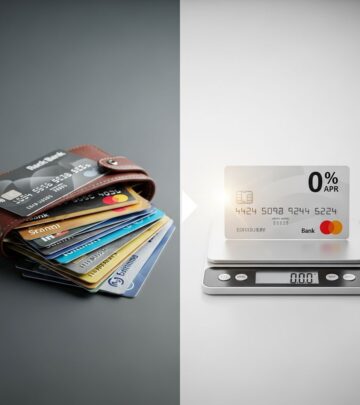
A balance transfer allows you to shift debt from a high-interest credit card to a new card offering a lower or promotional interest rate, often 0% APR for an introductory period, helping reduce overall interest costs and consolidate payments.
Understanding the Fundamentals of Balance Transfers
At its core, a balance transfer is a financial strategy where you relocate existing credit card debt—or sometimes loan balances—to another credit card account. This move is particularly advantageous when the destination card provides a promotional annual percentage rate (APR) that is significantly lower than your current rate. For instance, if you’re carrying a $5,000 balance at 15% APR, moving it to a card with 0% introductory APR could save hundreds in interest over the promo period, assuming you pay it down strategically.
The primary goal is interest savings. High-interest debt accrues quickly, but a 0% APR window gives you breathing room to tackle the principal without extra charges piling up. Additionally, consolidating multiple balances into one card simplifies billing, reducing the risk of missed payments and late fees across several accounts.
| Scenario | Total Paid (1 Year) | Savings |
|---|---|---|
| 15% APR Card ($5,000 balance) | $5,415 | – |
| 0% Intro APR Transfer | $5,150 (incl. 3% fee) | $265 |
This table illustrates potential savings on a $5,000 balance with minimum payments over 12 months.
Key Advantages of Using Balance Transfers
- Substantial Interest Reduction: Promotional rates as low as 0% APR for 12-21 months allow aggressive principal paydown without interest erosion.
- Debt Consolidation: Merge debts from multiple cards into one, streamlining payments and tracking.
- Faster Payoff Potential: With no interest during promo periods, more of your payment goes toward principal, accelerating debt freedom.
- Credit Score Benefits: Lowering credit utilization on old cards can boost scores, provided you don’t max out new limits.
These perks make balance transfers a go-to for those with good credit seeking debt relief, especially if planning disciplined repayments.
Potential Drawbacks and Hidden Costs
While appealing, balance transfers aren’t free rides. Most issuers charge a fee of 3%-5% of the transferred amount, so a $10,000 transfer might cost $300-$500 upfront. This fee is added to the new balance, which accrues at the promo rate—but only if it’s 0%.
Post-promo, rates jump to standard levels, often 18%-25% variable APR. Unpaid balances then face steep interest. Transfers also trigger hard credit inquiries, potentially dinging scores temporarily, and you can’t typically move debt between cards from the same issuer.
- Fee example: 3% on $5,000 = $150 added to balance.
- Promo end risk: Balance at standard APR could exceed original costs if not cleared.
Ideal Candidates for Balance Transfers
Not everyone benefits equally. Balance transfers suit those who:
- Carry balances taking months or years to pay off at current rates.
- Have strong credit (670+ FICO) for best offers.
- Can commit to paying off during promo without new purchases.
Avoid if you can clear debt quickly without transfer or if fees erase savings. Calculate breakeven: Divide fee by monthly interest saved.
Step-by-Step Guide to Executing a Balance Transfer
- Assess Your Debt: List balances, APRs, and minimum payments. Use calculators to project savings.
- Research Cards: Compare intro APR length, fees, post-promo rates, and transfer limits. Look for no-fee options if available.
- Apply: Submit for new card or check existing offers. Provide debt details during application.
- Initiate Transfer: Once approved, use app, phone, or checks. Supply old account numbers, balances, and billing info.
- Monitor Progress: Transfers take 2-14+ days. Continue old card payments until posted to avoid fees.
- Pay Aggressively: Allocate savings to principal. Verify transfer completion.
Pro tip: Request transfers promptly to maximize promo time.
Fees, Rates, and Fine Print Details
Balance transfer fees are standard: 3%-5%, minimum $5-$10. Some cards waive for first transfers. Promo APRs apply only to transfers, not purchases—new buys often at higher rates. Grace periods may not apply to transferred amounts.
| Fee Type | Typical Range | Impact Example ($10k Transfer) |
|---|---|---|
| Transfer Fee | 3%-5% | $300-$500 |
| Intro APR Length | 12-21 months | Up to 21 months interest-free |
| Post-Promo APR | 15%-29% variable | High risk if unpaid |
Strategies to Maximize Savings
To optimize:
- Transfer only high-APR debt.
- Avoid new purchases on transfer card—use separate card for daily spending.
- Set autopay for more than minimum.
- Pair with debt snowball or avalanche methods.
- Refinance before promo ends if needed.
Tools like issuer calculators help simulate outcomes based on payment amounts and promo lengths.
Common Mistakes to Avoid
- Ignoring Fees: Ensure savings exceed costs.
- Missing Payments: Continue old payments until transfer posts.
- Post-Promo Neglect: Plan payoff timeline rigorously.
- Maxing Limits: Keep utilization under 30%.
- Multiple Transfers: Fees compound; focus on one strong offer.
Impact on Credit Scores
Short-term: Application dings score 5-10 points. Utilization drops on old cards boosts it long-term. Maintain low balances overall for best results. Transferred debt counts toward new card utilization immediately.
Alternatives to Balance Transfers
- Debt Consolidation Loans: Fixed-rate personal loans for lower APRs without promo expiration.
- 0% Purchase APR Cards: For new spending, not existing debt.
- Debt Management Plans: Nonprofit counseling for negotiated rates.
- Home Equity Loans: Lower rates but secured risk.
Choose based on credit, debt size, and discipline.
Frequently Asked Questions
Can I transfer balances from loans?
Yes, some cards accept store card or loan debt, but confirm with issuer.
How long do transfers take?
Typically 2 days to 3 weeks; pay old cards meanwhile.
What if promo rate ends early?
Unpaid balance shifts to standard APR immediately.
Do transfers affect rewards?
No, but choose cards with post-payoff rewards if ongoing use planned.
Can I transfer to same-issuer cards?
Generally no, to prevent rate arbitrage.
Final Thoughts on Smart Debt Management
Balance transfers are powerful tools for interest savings and simplification when used wisely. Evaluate your situation, crunch numbers, and commit to repayment for optimal results. Pairing with budgeting strengthens financial health long-term.
References
- What is a Balance Transfer & How Does it Work? — Bank of America Better Money Habits. 2023. https://bettermoneyhabits.bankofamerica.com/en/debt/how-do-balance-transfers-work
- What Is a Balance Transfer? Should I Do One? — NerdWallet. 2025-01-15. https://www.nerdwallet.com/credit-cards/learn/what-is-a-balance-transfer
- What is a Balance Transfer on a Credit Card? — Equifax. 2024. https://www.equifax.com/personal/education/credit-cards/articles/-/learn/balance-transfer-credit-card/
- What Is a Balance Transfer Credit Card and How Does It Work? — Fifth Third Bank. 2024. https://www.53.com/content/fifth-third/en/financial-insights/personal/credit-cards/when-does-a-credit-card-balance-transfer-make-sense.html
- What is a credit card balance transfer? — Citi. 2025. https://www.citi.com/credit-cards/balance-transfer/balance-transfer-credit-cards-101
Similar Articles








Read full bio of Sneha Tete