Balance Transfers and Credit Scores
Discover how moving debt to a new card impacts your credit score—short-term dips vs. long-term gains explained.

Transferring balances from one credit card to another can be a strategic move for managing high-interest debt, but it comes with nuances that directly influence your credit profile. While it offers opportunities to save on interest and consolidate payments, the process triggers several factors in credit scoring models like FICO and VantageScore. This comprehensive guide breaks down the mechanics, risks, benefits, and best practices to help you decide if a balance transfer aligns with your financial goals.
Understanding Balance Transfers
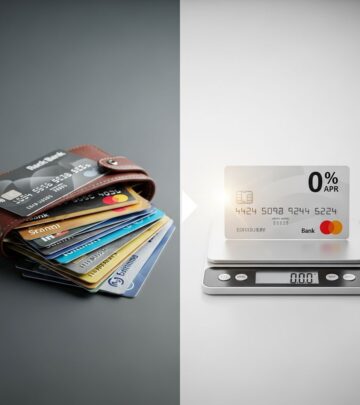
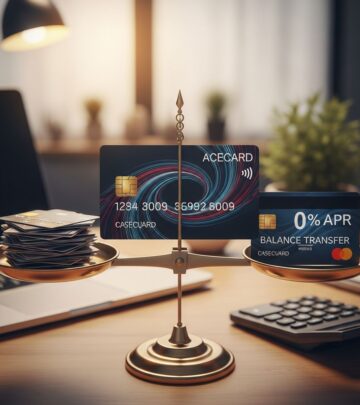
A balance transfer involves moving existing debt from a credit card with a high interest rate to a new card offering a promotional low or 0% APR period, typically lasting 12 to 21 months. This allows you to pay down principal faster without accruing excessive interest. However, issuers often charge a fee of 3% to 5% of the transferred amount, which must be factored into your calculations.
Common scenarios include consolidating multiple card balances into one account for simplified payments or escaping punitive APRs after missing payments. Not all transfers require a new card; some existing accounts permit them, minimizing certain credit impacts.
Short-Term Negative Effects on Your Credit Score
Balance transfers can cause an immediate dip in your score due to several credit report changes. Here’s a closer look:
- Hard Credit Inquiries: Applying for a new balance transfer card prompts a hard pull on your credit report, which can lower your score by 5-10 points. These inquiries linger for two years but have diminishing effects after 12 months.
- Younger Average Account Age: Adding a new account reduces the average age of your credit history, a factor comprising 15% of FICO scores. Older accounts signal stability to lenders.
- Per-Account Utilization Spikes: Shifting debt to a new card with a lower limit can push its utilization above 30%, even if overall utilization improves. For instance, a $5,000 balance on a $5,000-limit card hits 100% utilization, hurting more than total ratios.
These effects are temporary if managed well, often resolving within months as you pay down the balance.
Long-Term Positive Impacts
Despite initial setbacks, responsible use can elevate your score over time. Key positives include:
- Lower Credit Utilization: This is the second-most important FICO factor (30% weight). Transferring to a new card increases total available credit, dropping utilization if you avoid new spending. Paying down debt further amplifies this.
- Improved Payment History: The top factor (35%), on-time payments during the promo period build positive history. Avoiding interest post-promo reinforces reliability.
- Debt Consolidation Benefits: Fewer accounts to manage reduces missed payments, indirectly boosting scores.
| Factor | Short-Term Effect | Long-Term Effect |
|---|---|---|
| Hard Inquiry | Score drop (5-10 pts) | Fades after 12 months |
| Account Age | Slight decrease | Recovers as account ages |
| Utilization | May spike per card | Drops overall, major boost |
| Payment History | No change | Strengthens with on-time pays |
Comparing New vs. Existing Card Transfers
The impact varies by method:
- New Card: Triggers inquiry and new account but expands credit limits for better utilization. Ideal if you qualify and pay aggressively.
- Existing Card: No inquiry or age dilution; utilization stays neutral if totals unchanged. Best for minimal disruption but may lack promo rates.
For example, transferring $4,000 to a new $10,000-limit card yields 40% utilization (positive), versus 80% on a $5,000-limit card (negative).
Risks and Common Mistakes to Avoid
Not all outcomes are positive. Pitfalls include:
- Promo Period Expiration: Unpaid balances revert to high APRs (20-30%), accruing more debt and utilization.
- New Spending: Mixing purchases with transfers often means paying promo balances first, prolonging high-interest debt.
- Multiple Transfers: Serial applications rack up inquiries and thin credit files, signaling risk.
- Fee Overlooks: 3-5% fees add costs; calculate savings carefully.
Avoid if you can’t clear the balance before promo ends or lack spending discipline.
Strategic Tips for Maximizing Benefits
To turn a transfer into a score booster:
- Check Scores First: Need 670+ FICO for best offers; use free tools from Equifax or myFICO.
- Target High Utilization: Best for cards over 50% used.
- Budget Ruthlessly: Allocate 10-20% extra income to debt payoff.
- Keep Old Cards Open: Preserve limits and history; use for small recurring charges paid in full.
- Monitor Progress: Track via weekly credit pulls.
Real-World Scenarios and Outcomes
Consider these cases:
- Scenario 1: $8,000 debt at 24% APR across cards. Transfer to 0% 18-month card: Saves $2,000+ interest, drops utilization from 70% to 40%, score rises 50 points in 6 months.
- Scenario 2: Poor discipline leads to new charges; promo ends, score drops 100+ points from delinquency.
Data shows disciplined users see net gains; Equifax notes faster payoffs enhance scores long-term.
Alternatives to Balance Transfers
If unsuitable, consider:
- Debt Consolidation Loans: Fixed payments, potentially lower rates, no utilization impact.
- 0% Purchase Cards: For new spending, not transfers.
- Negotiate with Issuers: Hardship programs or rate reductions.
- Debt Management Plans: Nonprofit counseling lowers rates.
Frequently Asked Questions (FAQs)
How long do hard inquiries affect my score?
Up to 12 months for peak impact, visible for 24 months.
Can I transfer balances between my own cards?
Yes, if issuer allows; minimal score effect.
What’s ideal credit utilization?
Under 30%; single-digit best.
Do balance transfers build credit?
Yes, via payments and utilization control.
Are fees tax-deductible?
No, they’re financing costs.
Final Thoughts on Smart Debt Moves
Balance transfers aren’t one-size-fits-all but powerful when timed right. Prioritize high-interest debt, commit to repayment, and watch your score rebound stronger. Pair with budgeting apps and free credit monitoring for optimal results. Responsible execution often yields savings and credit gains outweighing temporary dips.
References
- Does a balance transfer affect your credit score? — Georgia’s Own Credit Union. 2024. https://www.georgiasown.org/financial-wellness/does-a-balance-transfer-affect-your-credit-score
- Is doing a balance transfer good for credit scores? — Chase. 2025-03-15. https://www.chase.com/personal/credit-cards/education/credit-score/how-does-balance-transfer-affect-credit-score
- Do Balance Transfers Hurt Your Credit? — American Express. 2025. https://www.americanexpress.com/en-us/credit-cards/credit-intel/how-does-balance-transfer-affect-your-credit-score/
- Can a Credit Card Balance Transfer Impact Credit Score? — Equifax. 2025-02-10. https://www.equifax.com/personal/education/credit-cards/articles/-/learn/balance-transfers-impact-credit-score/
- How a Balance Transfer Impacts Your Credit — myFICO. 2024-11-20. https://www.myfico.com/credit-education/blog/balance-transfer-credit
Similar Articles








Read full bio of Sneha Tete