Balance Transfer Cards Guide
Master balance transfers to slash interest costs and streamline debt repayment with expert strategies and tips.

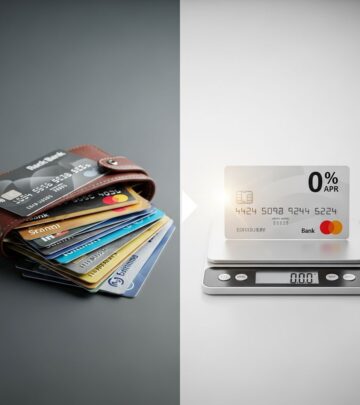
Balance transfer credit cards provide a strategic way to manage high-interest debt by moving balances to a card with a promotional low or 0% APR period, potentially saving hundreds in interest if paid off timely.
Understanding Balance Transfers
A balance transfer involves shifting outstanding debt from one credit card, loan, or account to a new credit card offering a lower introductory annual percentage rate (APR). This process consolidates multiple debts into one payment, simplifying financial management while reducing interest accrual during the promotional window, often lasting 9 to 21 months.
Typically, the new card issuer pays off the old creditor directly upon approval, adding the transferred amount—plus any fee—to your new account balance. This does not erase debt but repositions it under more favorable short-term terms, enabling faster principal reduction.
Key Advantages of Using Balance Transfer Cards
- Interest Savings: A 0% intro APR means no interest on the transferred balance for the promotional period, allowing more of your payments to reduce principal. For a $5,000 balance at 15% APR, this could save over $700 in one year.
- Debt Consolidation: Combine balances from various cards or loans into one account, eliminating multiple due dates and minimum payments for easier tracking.
- Flexible Options: Some cards permit transfers from non-credit card debts like personal or auto loans, broadening utility.
- Rewards Potential: Post-payoff, select cards offer cash back or points on purchases, enhancing long-term value if used responsibly.
Potential Drawbacks and Hidden Costs
While appealing, balance transfers come with caveats. Fees typically range from 3% to 5% of the transferred amount, so a $10,000 transfer might cost $300-$500 upfront. These can be offset by interest savings if the balance is cleared before the promo ends.
| Pros | Cons |
|---|---|
| Significant interest reduction | 3-5% transfer fee |
| Simplified payments | Time-limited promo rate |
| Potential rewards | Credit limit restrictions |
| Loan consolidation | No same-issuer transfers |
Who Qualifies for Balance Transfer Offers?
Approval hinges on creditworthiness. Good to excellent credit scores (typically 670+) increase chances of securing top offers with high limits and low fees. Lenders assess income, debt-to-income ratio, and payment history.
New applicants can often request transfers during signup. Existing cardholders check online banking or apps for pre-approved offers. Transfers usually must occur within 60-120 days of account opening to qualify for promo rates.
Step-by-Step Process to Complete a Balance Transfer
- Evaluate Current Debt: List balances, APRs, and monthly interest. Calculate potential savings using online calculators.
- Research Cards: Compare intro APR length, fees, post-promo rates, and transfer windows. Prioritize 15+ month 0% periods with fees under 4%.
- Apply and Request Transfer: Submit application with old account details (number, amount, creditor info). Approval may take days; transfers post in 1-2 weeks.
- Monitor Posting: Verify old balance is paid and new one appears correctly. Avoid new purchases to prevent mixing with promo balance.
- Pay Aggressively: Divide total by promo months for minimum monthly payments. Adjust for fees and any ongoing charges.
Strategic Tips for Maximum Savings
- Target cards with no-fee or low-fee transfers to preserve savings.
- Plan payoff timeline rigorously; unpaid balances revert to high APRs (often 18-29%).
- Use autopay for at least the minimum to avoid losing promo status via late payments.
- Consider multiple transfers if debt exceeds one card’s limit, but watch credit inquiries.
- Post-promo, refinance if rates spike or seek 0% purchase cards for new spending.
Common Mistakes to Avoid
Many falter by not paying off during the intro period, accruing retroactive interest. Accumulating new purchases on the card mixes them with transfers, applying payments to lower-rate debt first per terms. Skipping fee calculations or ignoring same-issuer restrictions leads to denials.
Over-transferring beyond approved limits or income capacity risks rejection. Always confirm transfer eligibility for loans beyond credit cards.
Alternatives When Balance Transfers Aren’t Ideal
If poor credit bars access or debt is too large, consider personal loans with fixed rates (often 6-36% APR), debt management plans via nonprofits, or 0% installment plans from retailers. Home equity options suit larger sums but add collateral risk.
Impact on Credit Scores
Applications trigger hard inquiries (5-10 point dip, temporary). High utilization on new card initially hurts scores, but consistent payments boost payment history (35% of FICO). Aim for under 30% utilization overall.
Best Practices for Long-Term Debt Freedom
Track progress monthly, celebrate milestones, and build emergency savings to prevent recurrence. Pair with budgeting apps and cut non-essential spending to accelerate payoff.
Frequently Asked Questions (FAQs)
Can I transfer a balance to my bank account?
Some issuers offer convenience checks or ACH for direct deposits, but not universally. Review terms; fees apply.
How long do promotional rates last?
Typically 9-21 months, varying by card. Confirm exact end date upon approval.
Can I transfer between same-bank cards?
No, most prohibit intra-issuer transfers (e.g., no Citi to Citi).
What if I can’t pay off before promo ends?
Remaining balance shifts to standard APR; continue minimums and consider new transfers.
Do balance transfers affect rewards?
Transfers rarely earn points; focus on payoff first.
References
- What is a Balance Transfer & How Does it Work? — Bank of America Better Money Habits. 2023. https://bettermoneyhabits.bankofamerica.com/en/debt/how-do-balance-transfers-work
- What is a Balance Transfer & How Does It Work? — Citi. 2024. https://www.citi.com/credit-cards/balance-transfer/balance-transfer-credit-cards-101
- What Is a Balance Transfer? Should I Do One? — NerdWallet. 2025-03-15. https://www.nerdwallet.com/credit-cards/learn/what-is-a-balance-transfer
- All About Balance Transfers: What They Are and How They Work — PNC Insights. 2024. https://www.pnc.com/insights/personal-finance/spend/when-to-consider-a-balance-transfer.html
- When does a Credit Card Balance Transfer Make Sense? — Fifth Third Bank. 2024. https://www.53.com/content/fifth-third/en/financial-insights/personal/credit-cards/when-does-a-credit-card-balance-transfer-make-sense.html
- What is a Balance Transfer on a Credit Card? — Equifax. 2025. https://www.equifax.com/personal/education/credit-cards/articles/-/learn/balance-transfer-credit-card/
- What Is a Balance Transfer and Is It Worth it? — Experian. 2025-02-20. https://www.experian.com/blogs/ask-experian/what-is-a-balance-transfer-and-how-does-it-work/
Similar Articles








Read full bio of medha deb