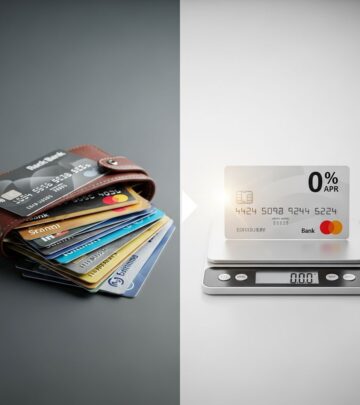
Balance Transfer Cards: Complete Guide To 0% APR Savings
Master balance transfer credit cards to slash interest costs, consolidate debts, and accelerate your journey to financial freedom.

Balance transfer credit cards provide a strategic way to manage and reduce credit card debt by moving existing balances to a new card with favorable interest terms, often featuring promotional 0% APR periods that allow faster payoff without accruing extra interest.
Understanding the Fundamentals of Balance Transfers
A balance transfer involves shifting debt from one credit card or loan to another card, typically one offering a lower introductory annual percentage rate (APR). This process helps consolidate multiple debts into a single account, streamlining payments and potentially saving significant amounts on interest. For instance, transferring a $5,000 balance from a 15% APR card to a 0% intro APR card could reduce total repayment from $5,415 to $5,150 over the promotional period, yielding $265 in savings.
These cards are not a distinct product category but rather standard credit cards with special promotional offers on transferred balances. The key appeal lies in the temporary relief from high interest rates, enabling more of your payments to reduce the principal balance directly.
Key Advantages of Using a Balance Transfer Card
Opting for a balance transfer card unlocks several financial benefits, particularly for those burdened by high-interest debt.
- Interest Savings: The primary draw is the low or 0% introductory APR, which pauses interest accrual on transferred balances for 12-21 months, allowing full payments to chip away at the debt.
- Debt Consolidation: Combine balances from multiple cards into one, simplifying bill management and reducing the risk of missed payments.
- Faster Debt Repayment: Without interest eating into payments, you can eliminate debt quicker, freeing up cash flow sooner.
- Access to Enhanced Rewards: Many new cards include cash back, travel perks, or other rewards not available on your old cards.
Potential Drawbacks and Hidden Costs
While powerful, balance transfers come with caveats that require careful consideration to avoid worsening your financial situation.
- Transfer Fees: Expect to pay 3-5% of the transferred amount upfront, which can offset some interest savings on smaller or short-term transfers.
- Post-Promo APR Jump: After the introductory period, rates can soar to 20% or higher, making any remaining balance expensive.
- Credit Score Impact: Applying opens a hard inquiry, and high utilization on the new card can temporarily lower your score.
- Temptation to Overspend: Available credit on the old card might lead to new debt if discipline lapses.
Step-by-Step Guide to Executing a Balance Transfer
Follow these steps to perform a successful balance transfer:
- Evaluate Your Debt: Identify high-interest balances likely to take months to pay off; short-term debts may not justify fees.
- Compare Offers: Seek cards with long 0% APR periods, low fees, and good post-promo rates. Check eligibility based on credit score (typically 670+ FICO).
- Apply and Get Approved: Once approved, note the transfer window (often 60-120 days from account opening).
- Initiate the Transfer: Provide old account details; funds post in 7-21 days, reducing the original balance but leaving the account open.
- Pay Strategically: Direct payments to the transferred balance during promo; set up autopay to avoid interest.
Financial Impact: A Comparison Table
To illustrate potential savings, consider this table comparing repayment scenarios for a $10,000 balance:
| Scenario | APR | Monthly Payment ($300) | Time to Pay Off | Total Interest Paid |
|---|---|---|---|---|
| Stay on Current Card | 18% | $300 | 40 months | $2,150 |
| Balance Transfer (0% for 18 mo, then 18%) | 0% then 18% | $300 | 36 months | $1,200 (incl. 4% fee) |
| Savings | – | – | 4 months | $950 |
*Assumptions: 4% transfer fee ($400) added to balance. Paid off within promo yields even greater savings.
Ideal Candidates for Balance Transfers
Not everyone benefits equally. Balance transfers suit those with good credit, ongoing high-interest debt, and a solid repayment plan. Ideal profiles include:
- Individuals paying mostly interest, stalling progress on principal.
- Those juggling multiple cards, seeking payment simplicity.
- Disciplined users committed to avoiding new charges on old cards.
Avoid if you can’t pay off during promo, have poor credit, or need funds for emergencies without a backup plan.
Maximizing Success: Pro Tips and Strategies
To leverage balance transfers effectively:
- Create a Payoff Timeline: Divide balance by promo months (e.g., $10,000 / 18 = $556/mo minimum).
- Steer Clear of New Purchases: Transferred balances pay off first; purchases accrue at standard APR.
- Monitor Expiration Dates: Set alerts 30 days before promo ends to accelerate payments.
- Consider Multiple Transfers: If needed, chain cards but watch credit utilization.
- Pair with Budgeting: Cut expenses to boost payments and build an emergency fund.
Frequently Asked Questions (FAQs)
What is the typical balance transfer fee?
Fees range from 3% to 5% of the transferred amount, sometimes with minimums like $5. Always calculate if savings exceed this cost.
How long do 0% APR promotions last?
Intro periods commonly span 12-21 months on balance transfers, varying by issuer and offer.
Can I transfer balances from loans?
Yes, many cards accept transfers from loans or other credit products, but confirm with the issuer.
Does a balance transfer close my old account?
No, the original account stays open with the reduced balance, which could tempt further spending.
What credit score do I need?
Good to excellent credit (670+) qualifies for best offers; fair credit may access higher-fee options.
Can I transfer a balance to my existing card?
Intra-issuer transfers are rare; usually requires a new card from a different bank.
Alternatives to Balance Transfers
If ineligible or fees deter you, explore:
- Debt Consolidation Loans: Fixed-rate personal loans for lump-sum payoff.
- Credit Counseling: Nonprofit plans negotiating lower rates.
- 0% Purchase APR Cards: For new spending, not transfers.
- Debt Management Programs: Structured repayment via agencies.
Each has trade-offs; assess based on your total debt and goals.
References
- What is a Balance Transfer & How Does it Work? — Bank of America Better Money Habits. 2024. https://bettermoneyhabits.bankofamerica.com/en/debt/how-do-balance-transfers-work
- What is a Balance Transfer Credit Card? — TD Bank. 2024. https://www.td.com/us/en/personal-banking/learning/what-is-a-balance-transfer-credit-card
- Pros And Cons Of A Balance Transfer — Bankrate. 2025-01-15. https://www.bankrate.com/credit-cards/balance-transfer/balance-transfer-pros-and-cons/
- 5 Reasons to Take Advantage of a Balance Transfer Credit Card Offer — Teachers Credit Union. 2023. https://www.tctfcu.org/blog/5-reasons-to-take-advantage-of-a-balance-transfer-credit-card-offer
- Understanding Balance Transfers — BECU. 2024. https://www.becu.org/articles/understanding-balance-transfers
- What Is a Balance Transfer? Should I Do One? — NerdWallet. 2025-02-01. https://www.nerdwallet.com/credit-cards/learn/what-is-a-balance-transfer
- When does a Credit Card Balance Transfer Make Sense? — Fifth Third Bank. 2024. https://www.53.com/content/fifth-third/en/financial-insights/personal/credit-cards/when-does-a-credit-card-balance-transfer-make-sense.html
- What’s a Balance Transfer Credit Card? — Citizens Bank. 2024. https://www.citizensbank.com/learning/what-is-a-balance-transfer-credit-card.aspx
Similar Articles








Read full bio of medha deb