Balance Sheet Guide: Format, Analysis & Examples
Master balance sheets: Learn the format, structure, and how to analyze financial positions effectively.
Understanding the Balance Sheet: A Comprehensive Guide
The balance sheet is one of the most critical financial statements that a company produces, typically on a quarterly or monthly basis depending on reporting frequency. This fundamental document provides a snapshot of a company’s financial health at a specific point in time, revealing what the organization owns, what it owes, and the net worth of its owners. Whether you’re an investor, business owner, creditor, or financial analyst, understanding how to read and interpret a balance sheet is essential for making informed financial decisions.
A balance sheet serves as a visual representation of a company’s financial position, helping stakeholders assess the organization’s financial strength, liquidity, and capital structure. Unlike other financial statements that measure performance over a period, the balance sheet captures a moment in time, making it invaluable for understanding the company’s financial status at any given date.
What Is a Balance Sheet?
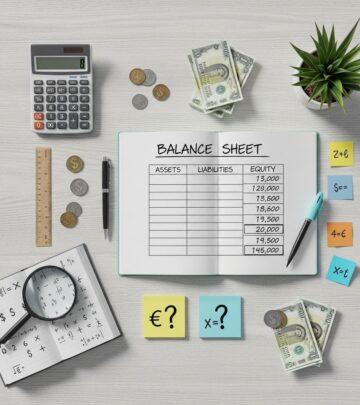
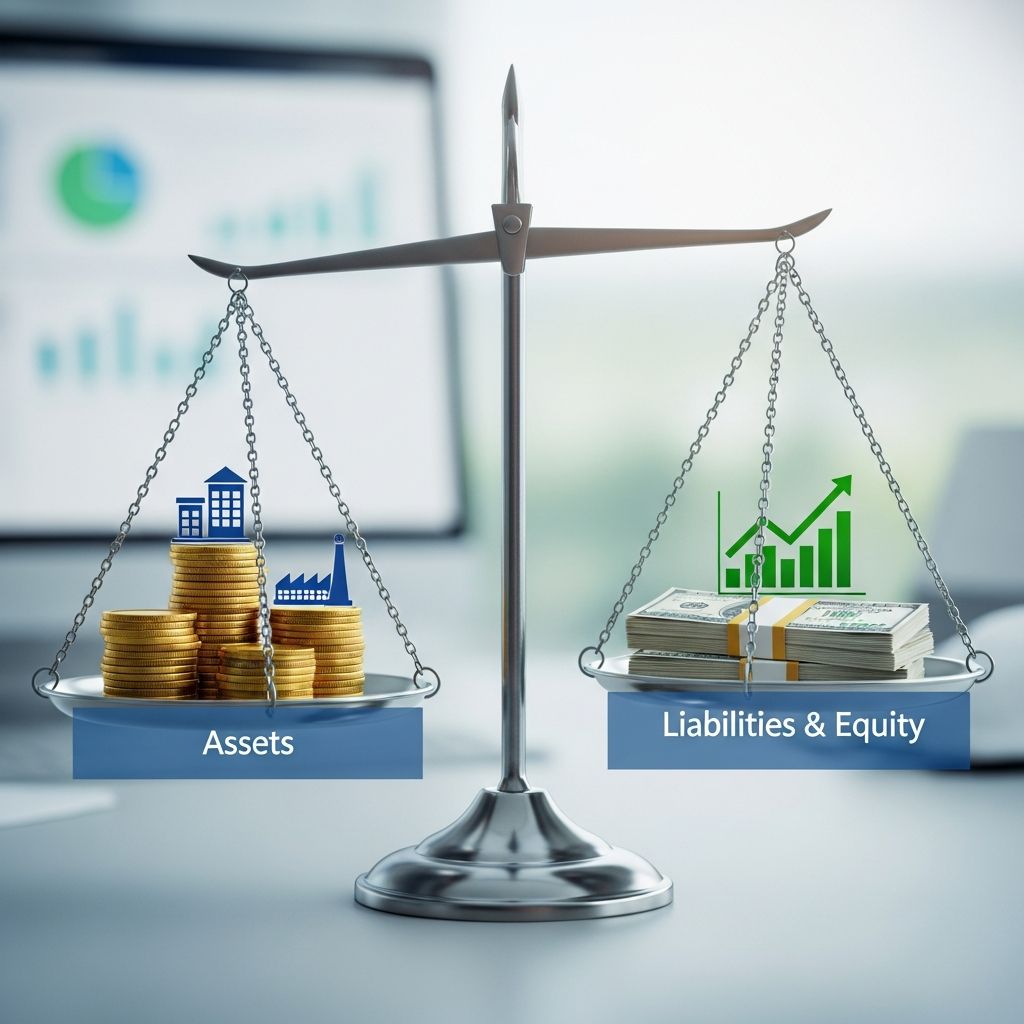
A balance sheet, also known as a statement of financial position, is a formal financial document that outlines three essential components: assets, liabilities, and shareholders’ equity. The balance sheet formula is deceptively simple yet powerful: Assets = Liabilities + Shareholders’ Equity. This fundamental accounting equation must always balance, which is why the document earned its name. Every financial transaction a company makes affects at least two accounts while maintaining this equation’s balance.
The balance sheet provides stakeholders—including lenders, investors, and creditors—with a quick yet comprehensive look into the organization’s financial health. It helps answer critical questions such as: Does the company have enough assets to cover its obligations? What proportion of the company is financed by debt versus equity? Is the company’s liquidity sufficient to meet short-term obligations?
The Three Main Components of a Balance Sheet
Every balance sheet consists of three interconnected sections that work together to present a complete financial picture. Understanding each component is crucial for proper balance sheet analysis.
Assets: What the Company Owns
Assets represent everything of value that the company owns or controls. These are resources that have positive economic value and can eventually be converted into cash or provide future monetary benefits. Assets are divided into two primary categories based on liquidity:
Current Assets are short-term assets expected to be converted into cash or used up within one year. Common examples include cash and cash equivalents, marketable securities, accounts receivable, inventory, and prepaid expenses. These are listed first on the balance sheet because they represent the company’s most liquid resources.
Non-Current Assets are long-term assets that provide economic benefits beyond one year. These include property, plant and equipment (PP&E), long-term investments, goodwill, intangible assets like patents and trademarks, and other long-term holdings. Non-current assets typically generate value over extended periods and are listed after current assets on the balance sheet.
Liabilities: What the Company Owes
Liabilities represent all financial obligations and debts that the company must pay to external parties. These are amounts owed to creditors, suppliers, lenders, and other entities. Like assets, liabilities are organized by maturity date:
Current Liabilities are obligations due within one year, such as accounts payable, short-term loans, accrued expenses, and the current portion of long-term debt. These represent near-term cash outflows the company must manage.
Non-Current Liabilities are long-term obligations with payment dates extending beyond one year, including long-term debt, deferred tax liabilities, and other long-term obligations. These represent future cash outflows that don’t require immediate attention.
Shareholders’ Equity: Owners’ Claims
Shareholders’ equity represents the residual value belonging to the company’s owners after all liabilities are subtracted from assets. It reflects the owners’ net worth in the business and consists of contributed capital, retained earnings, and other comprehensive income. Equity increases when the company generates profits and decreases when it incurs losses.
Balance Sheet Formats and Structures
Companies have several options for presenting balance sheet information, with different formats being preferred in various regions and industries.
Account Format (Two-Column Layout)
The Account format, also called the T-format, presents a two-column layout with assets listed on the left side and liabilities plus equity on the right side. This traditional format mirrors the fundamental accounting equation and is popular among companies in the United States. The visual arrangement makes it easy to see that the two sides must balance.
Report Format (One-Column Layout)
The Report format uses a single-column layout, listing assets first, followed by liabilities, and then shareholders’ equity. This format is increasingly popular in modern financial reporting and works well in digital presentations. It’s sometimes easier to read on computer screens and in printed documents where space is limited.
Financial Position Format
The Financial Position format, commonly used in Europe and international markets, differs from the Account and Report formats by emphasizing working capital and other unique line items. This format is rarely seen in the United States but provides a different perspective on financial relationships.
How to Prepare a Balance Sheet: Step-by-Step Guide
Preparing an accurate balance sheet requires careful organization and attention to detail. Here’s a systematic approach for beginners:
Step 1: Identify Your Reporting Date and Period
Determine the specific date for which you’re preparing the balance sheet. Balance sheets are snapshots at a particular moment—typically at the end of a month, quarter, or fiscal year. All account balances must be accurate as of this exact date.
Step 2: Identify and Organize Your Assets
List all company assets as of the reporting date. Organize assets into current and non-current categories, listing them individually and then calculating subtotals. This itemization helps analysts understand exactly what assets the company holds and their composition. Assets should be arranged in descending order of liquidity, meaning the most easily convertible assets appear first.
Step 3: Identify and Organize Your Liabilities
List all company obligations in order of their maturity dates. Separate liabilities into current and non-current sections, ensuring all obligations are properly categorized. Current liabilities, which must be paid within a year, appear before non-current liabilities in the balance sheet.
Step 4: Calculate Shareholders’ Equity
Calculate total shareholders’ equity by subtracting total liabilities from total assets. This represents the owners’ net stake in the business. Shareholders’ equity includes common stock, additional paid-in capital (APIC), retained earnings, and other comprehensive income or loss items.
Step 5: Verify the Balance
To ensure accuracy, compare total assets against the sum of total liabilities and total shareholders’ equity. If these don’t match exactly, investigate and correct any discrepancies. The balance sheet must always balance; if it doesn’t, there’s an error in the accounting records.
Key Balance Sheet Components Comparison
| Component | Definition | Examples |
|---|---|---|
| Assets | Resources with economic value that the company owns | Cash, inventory, equipment, property, investments |
| Current Assets | Assets convertible to cash within one year | Cash equivalents, accounts receivable, short-term investments |
| Non-Current Assets | Assets providing value beyond one year | Property, equipment, goodwill, patents, long-term investments |
| Liabilities | Financial obligations owed to external parties | Loans, unpaid bills, accrued expenses, bonds payable |
| Current Liabilities | Obligations due within one year | Accounts payable, short-term debt, accrued wages |
| Non-Current Liabilities | Obligations with payment dates beyond one year | Long-term loans, deferred taxes, pension obligations |
| Shareholders’ Equity | Owners’ residual claim after liabilities | Common stock, retained earnings, additional paid-in capital |
Understanding the Accounting Equation in Practice
The accounting equation Assets = Liabilities + Equity maintains balance in every financial transaction. Understanding how different transactions affect this equation is crucial for balance sheet analysis.
When a company purchases equipment with cash, total assets remain unchanged—equipment increases while cash decreases. When equipment is purchased with a loan, both assets and liabilities increase by the same amount, maintaining the equation’s balance. When shareholders invest capital, both assets (cash) and equity increase equally. These examples demonstrate how the accounting equation serves as the foundation for all financial record-keeping.
Balance Sheet Analysis: Key Metrics and Ratios
Stakeholders use balance sheet information to calculate important financial metrics that reveal the company’s financial health. Working capital, calculated by subtracting current liabilities from current assets, indicates whether the company has sufficient short-term resources to meet obligations. The debt-to-equity ratio measures financial leverage and risk by comparing total liabilities to shareholders’ equity. These analyses help investors and creditors make informed decisions about lending or investing in the company.
Frequently Asked Questions About Balance Sheets
Q: How often should a company prepare a balance sheet?
A: Public companies typically prepare balance sheets quarterly (every three months) and annually. Private companies may prepare them less frequently, though monthly balance sheets provide management with more current financial information for decision-making.
Q: Why must the balance sheet always balance?
A: The balance sheet must balance because of the fundamental accounting equation: Assets = Liabilities + Equity. This equation reflects how every asset is financed through either debt or ownership. If the balance sheet doesn’t balance, it indicates an error in recording or calculating account balances.
Q: What’s the difference between assets and liabilities?
A: Assets are resources the company owns that have positive economic value and can be converted to cash or provide future benefits. Liabilities are financial obligations the company must pay to external parties. Assets increase a company’s financial position while liabilities decrease it.
Q: How do I know if a company is financially healthy based on its balance sheet?
A: Several indicators suggest financial health: sufficient current assets to cover current liabilities, reasonable debt-to-equity ratios, consistent or growing equity, manageable liability levels, and sufficient liquidity to meet short-term obligations. However, balance sheet analysis should be combined with income statement and cash flow statement analysis for a complete picture.
Q: What are goodwill and intangible assets on the balance sheet?
A: Goodwill represents the premium paid for an acquisition above the fair market value of identifiable assets. Intangible assets include non-physical items like patents, trademarks, copyrights, and brand names. Both represent expected future economic benefits but lack physical substance.
Q: Can a company be profitable but still face financial difficulties?
A: Yes. A company can show strong profits on the income statement but still struggle if it has cash flow problems or excessive debt. The balance sheet reveals whether the company has adequate liquidity and reasonable debt levels despite profitability.
References
- What Is a Balance Sheet? Format, Examples & Purpose — Corporate Finance Institute. 2024. https://corporatefinanceinstitute.com/resources/accounting/balance-sheet/
- How to Prepare a Balance Sheet: 5 Steps — Harvard Business School Online. 2024. https://online.hbs.edu/blog/post/how-to-prepare-a-balance-sheet
- Balance Sheet: Structure, Analysis & Examples — Abacum. 2024. https://www.abacum.ai/blog/balance-sheet-analysis-for-cfos-optimize-assets-minimize-risk
- Balance Sheet | Template + Example — Wall Street Prep. 2024. https://www.wallstreetprep.com/knowledge/balance-sheet/
- Choosing a Format for a Balance Sheet — Dummies. 2024. https://www.dummies.com/article/business-careers-money/business/accounting/general-accounting/choosing-a-format-for-a-balance-sheet-188154/
Similar Articles








Read full bio of medha deb