Balance Sheet: Definition, Components, and Analysis
Master balance sheets: Learn assets, liabilities, and equity in financial statements.

Understanding the Balance Sheet
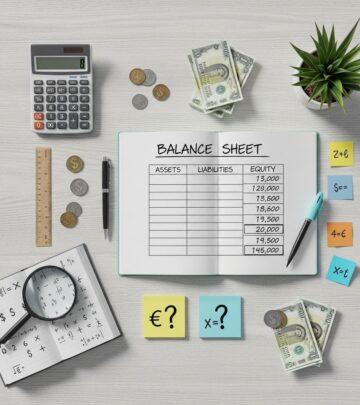
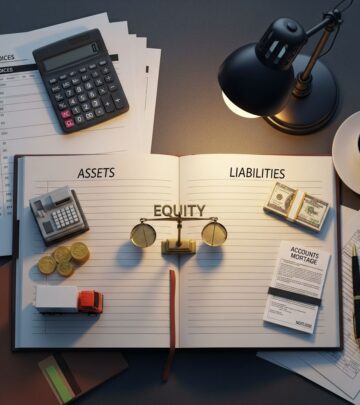
A balance sheet is a fundamental financial statement that provides a snapshot of a company’s financial position at a specific point in time. It presents a comprehensive overview of what a company owns (assets), what it owes (liabilities), and the owner’s stake in the business (equity). This critical financial document serves as the foundation for financial analysis, lending decisions, and investment evaluations.
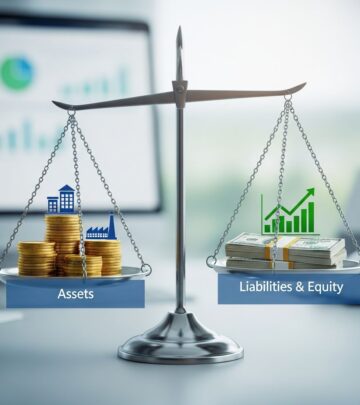
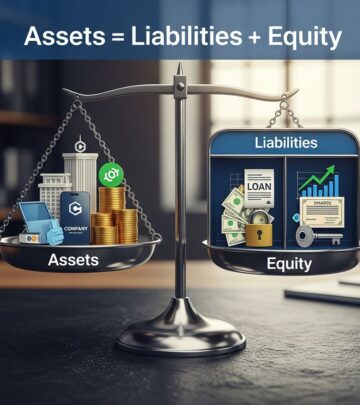
The balance sheet operates on a simple yet powerful principle: Assets equal Liabilities plus Equity. This fundamental accounting equation ensures that the financial statement remains balanced and provides a complete picture of a company’s financial health. Organizations use balance sheets regularly—typically quarterly and annually—to monitor their financial status and communicate performance to stakeholders, investors, and regulatory bodies.
What Is a Balance Sheet?
A balance sheet is a statement of financial position that summarizes a company’s economic resources and claims against those resources at a particular moment in time. Unlike income statements that show performance over a period, balance sheets provide a point-in-time view, much like a photograph capturing financial status on a specific date, usually the last day of a fiscal quarter or year.
The primary purpose of a balance sheet is to provide transparency regarding a company’s financial condition. It reveals whether a company has more assets than liabilities (a positive sign) or more liabilities than assets (a warning signal). Financial analysts, creditors, investors, and management use balance sheets to assess liquidity, solvency, and overall financial stability. The statement is essential for performing ratio analysis, comparing companies within an industry, and tracking financial trends over multiple periods.
Components of a Balance Sheet
A balance sheet comprises three primary components that work together to present a complete financial picture:
1. Assets
Assets represent everything of value that a company owns or controls. They are typically divided into two categories: current assets and non-current assets.
- Current Assets: Resources expected to be converted into cash or used within one year. Examples include cash and cash equivalents, accounts receivable, inventory, and short-term investments.
- Non-Current Assets: Long-term resources with value expected to benefit the company for more than one year. These include property, plant, and equipment (PP&E), intangible assets, goodwill, and long-term investments.
2. Liabilities
Liabilities are obligations or debts that a company must pay or fulfill. Like assets, liabilities are categorized by timeline:
- Current Liabilities: Obligations due within one year, such as accounts payable, short-term debt, salaries owed, and current portions of long-term debt.
- Non-Current Liabilities: Long-term obligations extending beyond one year, including long-term debt, deferred tax liabilities, and pension obligations.
3. Shareholders’ Equity
Shareholders’ equity represents the owners’ residual claim on company assets after all liabilities are satisfied. It includes common stock, preferred stock, retained earnings, and accumulated other comprehensive income. This section reflects how much of the company’s assets are financed by shareholders versus creditors.
The Balance Sheet Equation
The fundamental accounting equation that underlies every balance sheet is:
Assets = Liabilities + Shareholders’ Equity
This equation must always balance. If total assets equal $100 million, the sum of liabilities and equity must also equal $100 million. This balance is not coincidental but rather the result of double-entry bookkeeping, where every transaction affects at least two accounts. Understanding this equation helps analysts grasp the relationship between different financial statement components and interpret what changes mean for company finances.
How to Read a Balance Sheet
Reading a balance sheet effectively requires understanding the organization and relationships between line items. Here are key steps:
- Verify the Date: Always note the date of the balance sheet to ensure you’re comparing statements from the same period.
- Review Total Assets: Examine the total asset base and how it’s distributed between current and non-current assets.
- Analyze Liabilities: Determine what portion of liabilities are short-term versus long-term, indicating near-term payment obligations.
- Examine Equity: Review retained earnings trends and any changes in stock accounts, which reflect profitability and dividends.
- Calculate Key Ratios: Compute metrics like the current ratio, quick ratio, and debt-to-equity ratio to assess financial health.
- Compare Periods: Analyze year-over-year or quarter-over-quarter changes to identify trends and significant variations.
Key Balance Sheet Ratios and Analysis
Balance sheets enable calculation of important financial ratios that provide deeper insights:
| Ratio | Formula | Interpretation |
|---|---|---|
| Current Ratio | Current Assets ÷ Current Liabilities | Measures ability to pay short-term obligations |
| Quick Ratio | (Current Assets – Inventory) ÷ Current Liabilities | More conservative liquidity measure |
| Debt-to-Equity | Total Liabilities ÷ Total Equity | Indicates financial leverage and risk |
| Return on Assets (ROA) | Net Income ÷ Total Assets | Measures how efficiently assets generate profit |
| Working Capital | Current Assets – Current Liabilities | Shows available capital for operations |
Balance Sheet vs. Other Financial Statements
While balance sheets are crucial, they work alongside other financial statements. The income statement shows revenues and expenses over a period, revealing profitability. The cash flow statement tracks actual cash movements, which differs from accrual-based accounting shown in the balance sheet. Together, these three statements provide a comprehensive view of financial performance and position.
Why Balance Sheets Matter
Balance sheets are indispensable for multiple stakeholders. Investors use them to assess whether companies are worth investing in by evaluating asset quality and debt levels. Creditors examine balance sheets before extending loans, looking at the debt-to-equity ratio and liquidity metrics. Management relies on balance sheets for strategic planning and operational decision-making. Regulatory bodies require balance sheets to ensure transparency and market integrity.
Common Balance Sheet Issues
When analyzing balance sheets, be aware of potential challenges:
- Asset Valuation: Assets may be valued at historical cost rather than current market value, potentially distorting financial position.
- Intangible Assets: Goodwill and patents can significantly inflate asset values with uncertain real worth.
- Off-Balance Sheet Items: Some obligations may not appear on the balance sheet, such as operating leases or contingent liabilities.
- Industry Differences: Balance sheet composition varies significantly across industries, making comparisons challenging.
- Timing Issues: Point-in-time snapshots may not reflect average conditions throughout the period.
Frequently Asked Questions
Q: What is the difference between a balance sheet and an income statement?
A: A balance sheet shows financial position at a specific point in time (assets, liabilities, equity), while an income statement shows financial performance over a period (revenues, expenses, profits). The balance sheet is a snapshot; the income statement is a video of performance.
Q: How often should a company prepare a balance sheet?
A: Most companies prepare balance sheets quarterly and annually. Public companies must file them with regulatory bodies like the SEC. However, internal balance sheets may be prepared monthly for management purposes.
Q: What does it mean if liabilities exceed assets on a balance sheet?
A: This indicates negative equity (shareholders’ equity would be negative) and suggests the company is technically insolvent. This is a serious red flag requiring immediate attention and restructuring.
Q: Can balance sheets be manipulated?
A: While financial statements must follow accounting standards (GAAP or IFRS), companies have some discretion in valuations and classifications. Serious manipulation constitutes fraud. Analysts should look for red flags like significant changes in accounting methods or unusual transactions.
Q: How does a balance sheet help in assessing company solvency?
A: Balance sheets reveal the relationship between assets and liabilities. Strong asset bases relative to liabilities, positive working capital, and manageable debt levels indicate good solvency. Comparing these metrics over time and against industry peers provides solvency insights.
Q: What are non-current assets and why are they important?
A: Non-current assets are resources expected to provide value for more than one year (like buildings and equipment). They’re important because they show a company’s long-term productive capacity and capital investments in growth.
Q: How does retained earnings appear on the balance sheet?
A: Retained earnings appear in the shareholders’ equity section. This figure represents cumulative profits retained in the business rather than distributed to shareholders as dividends. Growing retained earnings generally indicate a profitable, reinvesting company.
References
- Balance Sheet Basics — U.S. Securities and Exchange Commission (SEC). 2024. https://www.sec.gov/oiea/investor-education-resources
- Financial Accounting Standards Board (FASB) Standards — FASB. 2024. https://www.fasb.org
- International Financial Reporting Standards (IFRS) Framework — IFRS Foundation. 2024. https://www.ifrs.org
- Understanding Financial Statements — Federal Trade Commission (FTC). 2024. https://www.ftc.gov
- Corporate Finance: Balance Sheet Analysis and Interpretation — Corporate Finance Institute (CFI). 2024. https://corporatefinanceinstitute.com
Similar Articles








Read full bio of Sneha Tete