Balance of Trade: Definition of Favorable vs Unfavorable
Explore trade surpluses and deficits: Understanding favorable and unfavorable balance of trade.
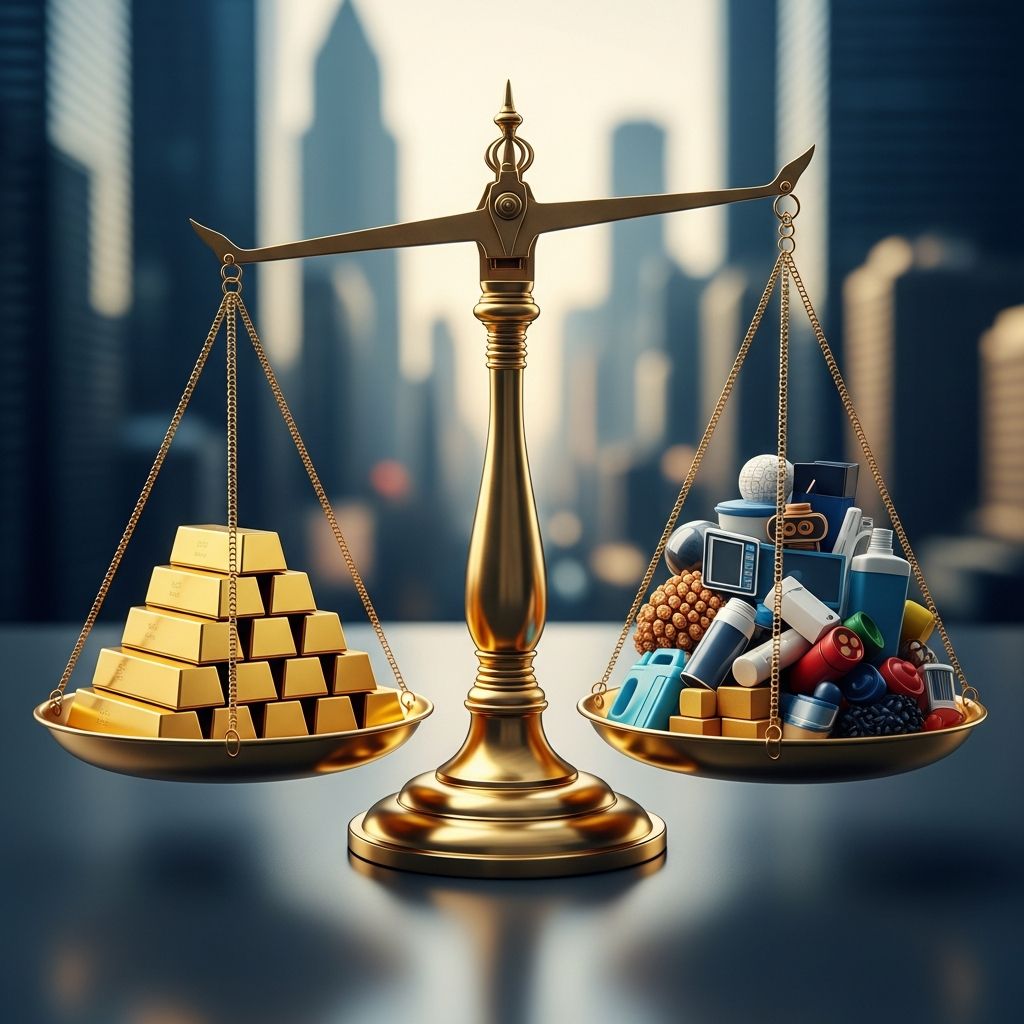
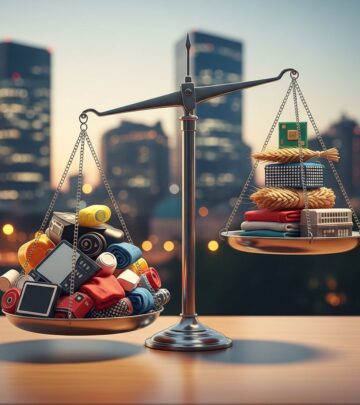
The balance of trade is one of the most fundamental concepts in international economics and international commerce. It represents the difference between the monetary value of goods and services that a country exports to other nations and the value of goods and services it imports from abroad over a specific period of time. Understanding whether a country’s balance of trade is favorable or unfavorable is crucial for assessing the health of an economy and its position in global markets.
What Is Balance of Trade?
The balance of trade (BOT), also referred to as the trade balance, commercial balance, or net exports (NX), is calculated using a straightforward formula:
Balance of Trade = Total Exports – Total Imports
This measurement captures all transactions involving tangible goods and services that cross a country’s borders. When a country manufactures products and sells them abroad, these transactions count as exports. Conversely, when a country purchases products from foreign manufacturers, these transactions count as imports.
The balance of trade serves as a critical economic indicator because it reveals whether a nation is producing more goods and services for international consumption than it is consuming from abroad. It reflects the competitiveness of a country’s industries, the efficiency of its production capabilities, and its position within the global economy.
Components of Balance of Trade
The balance of trade comprises two essential components: exports and imports. Understanding each component helps clarify how the balance of trade functions:
Exports
Exports represent goods and services that a country produces domestically and sells to foreign buyers. These products can range from manufactured items and agricultural products to financial services, technology solutions, and professional consulting. When a country exports goods and services, it generates foreign currency and creates income for domestic producers and workers.
Imports
Imports represent goods and services that a country purchases from foreign producers. These include raw materials, finished consumer products, energy resources, and various services. Imports allow countries to access products they cannot efficiently produce domestically or to obtain goods at lower costs than domestic production would allow.
Favorable Balance of Trade (Trade Surplus)
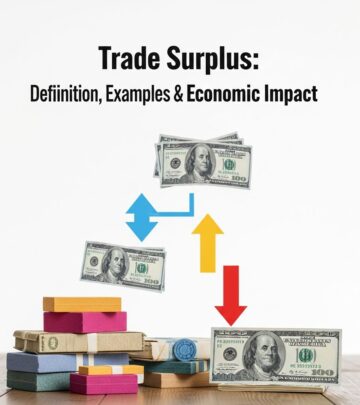
A favorable balance of trade occurs when a country’s total exports exceed its total imports, resulting in a positive number. This situation is commonly referred to as a trade surplus. When exports are greater than imports, the country has achieved a favorable trade position in the global marketplace.
What a Trade Surplus Means
A trade surplus indicates that a country is selling more goods and services internationally than it is purchasing from foreign sources. This represents a net inflow of foreign currency into the country, as buyers abroad must pay in currency that can be converted to the home country’s currency.
Countries with trade surpluses are often viewed as economically competitive because they demonstrate the ability to produce goods and services that are attractive to international buyers. A trade surplus can result from factors such as superior manufacturing capabilities, technological innovation, cost-effective production methods, or high-quality services that command premium prices in global markets.
Benefits of Trade Surplus
Trade surpluses can provide several economic advantages:
– Increased Foreign Currency Reserves: The inflow of foreign currency strengthens a country’s financial position and provides resources for international investments and debt repayment.
– Economic Growth: Net exports represent one of the four components of GDP (along with consumption, investment, and government spending). A trade surplus contributes positively to overall economic growth.
– Job Creation: Export-oriented industries expand to meet international demand, creating employment opportunities in manufacturing, transportation, and related sectors.
– Investment Opportunities: The government can utilize surplus revenue to increase domestic investments in infrastructure, education, and technology, or pursue foreign investments to generate additional income streams for the country.
– Enhanced Global Standing: Countries with consistent trade surpluses often enjoy stronger diplomatic and economic influence in international negotiations and trade agreements.
Unfavorable Balance of Trade (Trade Deficit)
An unfavorable balance of trade occurs when a country’s total imports exceed its total exports, resulting in a negative number. This situation is commonly referred to as a trade deficit. When imports are greater than exports, the country faces an unfavorable trade position relative to its trading partners.
What a Trade Deficit Means
A trade deficit indicates that a country is purchasing more goods and services from foreign sources than it is selling internationally. The country must pay foreign currency to purchase these imported goods, resulting in a net outflow of funds to other nations.
Trade deficits often develop when domestic consumers and businesses have strong purchasing power and demand for foreign goods, or when domestic industries cannot compete effectively with foreign producers on price or quality. The United States, for example, typically runs a trade deficit because American consumers have substantial purchasing power and demand for imported goods, including electronics, automobiles, and consumer products.
Implications of Trade Deficit
Trade deficits present several economic considerations:
– Foreign Currency Outflows: The country must use its foreign currency reserves to pay for imports, which can weaken the national currency and reduce international purchasing power.
– Budget Pressure: A trade deficit means the country is spending more in the global arena than it is earning. Consequently, the government might be forced to implement new taxes or borrow from other countries or international organizations like the International Monetary Fund (IMF) to cover budget shortages.
– GDP Impact: A persistent trade deficit can act as a drag on overall economic expansion, as net exports become negative components of GDP calculations.
– Domestic Industry Challenges: Trade deficits may indicate that domestic industries struggle to compete internationally, suggesting potential competitiveness issues or structural economic problems.
– Employment Concerns: If imports substitute for domestically produced goods, employment in affected industries may decline.
Balance of Trade vs. Balance of Payments
While the balance of trade and balance of payments are related concepts, they are distinct measurements:
| Feature | Balance of Trade | Balance of Payments |
|---|---|---|
| Scope | Includes only visible imports and exports of merchandise goods and services | Includes all visible and invisible items, including investment income and foreign aid |
| Components | Exports minus imports | Includes current account (trade balance, investment income, transfers), capital account, and financial account |
| Coverage | Trade in goods and services only | All cross-border transactions between residents and non-residents |
| Completeness | Provides partial picture of international trade | Provides comprehensive picture of international economic activity |
The balance of trade forms the major component of the current account within the balance of payments, but the balance of payments captures a much broader range of international transactions, including foreign direct investment, portfolio investment, and international aid transfers.
Factors Influencing Balance of Trade
Multiple factors affect whether a country experiences a favorable or unfavorable balance of trade:
Cost of Production
The cost structure in the exporting economy compared to the importing economy significantly influences trade balance. Countries with lower labor costs and efficient production processes may export more competitively priced goods.
Currency Exchange Rates
Fluctuations in currency exchange rates directly impact the competitiveness of exports and the cost of imports. A weaker domestic currency makes exports more affordable to foreign buyers, potentially improving the trade balance, while a stronger currency has the opposite effect.
Trade Policies and Regulations
Tariffs, quotas, and other trade restrictions affect the volume and value of imports and exports. Trade agreements between nations can shift trade patterns and balance of trade outcomes.
Raw Materials and Inputs
The cost and availability of raw materials and intermediate goods influence production costs and export competitiveness.
Non-Tariff Barriers
Environmental standards, health regulations, safety requirements, and other non-tariff barriers can restrict or facilitate trade flows.
Business Cycle Conditions
The trade balance typically shifts across different stages of the business cycle. During economic expansion with domestic demand-led growth, the trade balance often shifts toward imports, while export-led growth may shift the balance toward exports.
Role of Balance of Trade in GDP
The balance of trade, specifically as net exports, represents one of the four essential components of gross domestic product (GDP) calculations:
– Consumption (C): Spending on goods and services by individuals and households
– Investment (I): Business spending on capital and equipment
– Government Spending (G): Public sector expenditures on goods and services
– Net Exports (NX): Exports minus imports, derived from the balance of trade
The formula for GDP is: GDP = C + I + G + NX
When a country has a trade surplus (positive net exports), it contributes positively to GDP growth. Conversely, a trade deficit (negative net exports) can dampen overall economic expansion, acting as a drag on GDP.
Using Balance of Trade as an Economic Indicator
In financial markets, the balance of trade serves as an important economic indicator of a country’s economic health and proximity to economic policy goals. Traders and investors follow balance of trade releases to gauge international trade performance and assess whether growth potential is being fulfilled and expanded. The balance of trade is considered a strong predictor of GDP and the government’s future fiscal policies.
Regular monitoring of trade balance trends helps economists and policymakers understand structural changes in the economy, competitive positioning, and the sustainability of current economic policies.
Frequently Asked Questions
Q: Is a trade surplus always beneficial for an economy?
A: While a trade surplus can indicate economic competitiveness and generate foreign currency reserves, it’s not automatically beneficial in all circumstances. Persistent surpluses might suggest an economy is not efficiently using its resources for domestic consumption or investment. Additionally, trade surpluses can create tensions with trading partners and lead to retaliatory trade measures.
Q: Can a country function with a continuous trade deficit?
A: Countries can operate with trade deficits in the short term, but persistent long-term deficits may indicate structural economic problems. However, deficits can be sustainable if they reflect strong domestic demand and are financed through foreign investment. The United States, for example, has maintained a trade deficit for decades while remaining a strong economy.
Q: How does the balance of trade affect currency values?
A: A trade surplus creates demand for a country’s currency (as foreign buyers need the currency to pay for exports), which can strengthen it. A trade deficit does the opposite, potentially weakening the currency as more of it is supplied to purchase foreign goods.
Q: Why do services sometimes get excluded from balance of trade calculations?
A: The official IMF definition of balance of trade considers only goods, not services. However, many countries calculate an expanded balance of trade that includes both goods and services. Calculation methods can vary by country and reporting authority.
Q: How frequently is balance of trade data released?
A: Most countries release balance of trade data monthly or quarterly. These regular releases allow traders and investors to monitor trends in international commerce and adjust their strategies accordingly.
References
- What is Balance of Trade (BOT)? — Robinhood. 2025. https://robinhood.com/us/en/learn/articles/7eZB33rQ5zIhqsNcHeRQKS/what-is-balance-of-trade-bot/
- Balance of Trade — Wikipedia. 2025. https://en.wikipedia.org/wiki/Balance_of_trade
- Balance of Trade as a Fundamental Indicator — AvaTrade. 2025. https://www.avatrade.com/education/economic-indicators/fundamental-indicators/balance-of-trade
- Balance of Trade — Economics Help. 2025. https://www.economicshelp.org/blog/glossary/balance-of-trade/
- Balance of Trade (BOT) — Corporate Finance Institute. 2025. https://corporatefinanceinstitute.com/resources/economics/balance-of-trade-bot/
- Understanding trade balances — European Parliament Research Service. 2019. https://www.europarl.europa.eu/RegData/etudes/ATAG/2019/633187/EPRS_ATA(2019)633187_EN.pdf
- Understanding Trade Balances and What to Do About Them — American Institute for Economic Research. 2025. https://aier.org/article/understanding-trade-balances-and-what-to-do-about-them/
Similar Articles








Read full bio of medha deb