Backorder: Definition, Causes, and Business Impact
Master backorders: Learn how businesses manage out-of-stock items and maintain sales.
What Is a Backorder?
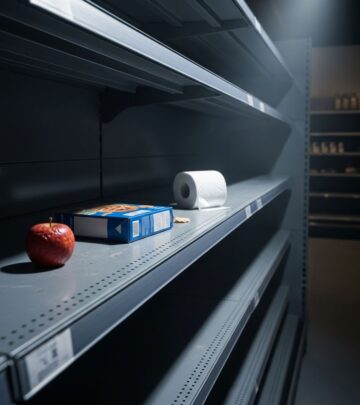
A backorder is an order placed for a product that is currently unavailable in stock but is expected to be replenished in the future. When a customer purchases a backordered item, the business processes the order and commits to fulfilling it once the product becomes available again. Instead of losing the sale entirely, companies accept backorders to maintain customer relationships and continue generating revenue during temporary inventory shortages.
In practical terms, when a backorder occurs, customers receive a future ship date reflecting when the distributor expects to receive the item back into stock. This arrangement allows customers to reserve products in advance while maintaining business momentum despite temporary stock unavailability. The customer’s payment is typically secured at the time of order, guaranteeing the product’s delivery once inventory is replenished.
Understanding the Mechanics of Backorders
Backorders function as a sales and inventory management strategy that bridges the gap between customer demand and current supply levels. When demand for a product exceeds available inventory, companies face a choice: turn customers away or accept backorders. Many modern retailers choose the latter approach to capture sales that would otherwise be lost.
The process involves several key steps. First, the company receives an order for an out-of-stock item. Rather than rejecting the purchase, the business accepts the order and communicates an estimated delivery date to the customer. The company then tracks this backorder in its inventory system, maintaining records that help coordinate with suppliers and manufacturers. Once new stock arrives, the business fulfills pending backorders systematically before releasing inventory to regular stock channels.
Backorder Versus Out of Stock: Key Differences
While backorders and out-of-stock items both represent situations where products are unavailable for immediate purchase, these terms carry significantly different implications for customers and businesses.
| Status | Definition | Purchase Availability | Future Availability |
|---|---|---|---|
| Backorder | Temporarily out of stock but expected to be replenished | Yes, customers can still purchase | Confirmed restock date expected |
| Out of Stock | No inventory available with no confirmed restock date | No, customers cannot purchase | May be discontinued or uncertain |
| Pre-Order | Not yet released or stocked for the first time | Yes, customers can reserve in advance | Future launch or initial release planned |
A backorder implies that the company will eventually receive more inventory and fulfill customer orders at a later date. Customers who have placed items on backorder can anticipate their orders being shipped when the business acquires more inventory. This creates a clear expectation and commitment from the business to deliver the product.
In contrast, an out-of-stock designation typically means the product is currently unavailable with no confirmed restock date. The item may be discontinued, or the company may not have concrete plans to replenish it. From a customer perspective, this distinction is crucial—backorders offer hope and a timeline, while out-of-stock status suggests uncertainty.
Common Causes of Backorders
Backorders occur when product demand significantly exceeds available inventory. Understanding the root causes helps businesses implement preventative measures and improve their inventory management strategies.
Sudden Demand Spikes: Unexpected surges in customer demand can quickly deplete inventory levels. Popular products, seasonal items, or products featured in media coverage may experience sudden demand increases that outpace supply planning.
Supplier and Manufacturing Delays: Production delays from manufacturers or delays in receiving shipments from suppliers commonly trigger backorder situations. These disruptions in the supply chain create gaps between planned inventory arrivals and actual receipt dates.
Inaccurate Demand Forecasting: Poor prediction of customer demand leads to insufficient inventory levels. When businesses underestimate how many units customers will purchase, they find themselves with depleted stock and growing backlogs of unfulfilled orders.
Low Safety Stock Levels: Businesses that maintain inadequate buffer inventory to cover unusual demand fluctuations become vulnerable to backorders. Safety stock serves as a cushion against demand variability and supply uncertainty.
Transportation and Customs Delays: International shipments may face delays due to customs procedures, port congestion, or transportation logistics issues. These delays can push back the expected arrival of replenishment stock.
Supply Chain Disruptions: Global events, natural disasters, or other supply chain disruptions can create unexpected inventory shortages across entire industries.
Effects and Consequences of Backorders
Backorders create both opportunities and challenges for businesses. Understanding these effects helps companies develop appropriate response strategies.
Customer Frustration and Satisfaction: Extended delays can frustrate customers who expected quicker delivery. While customers initially appreciate the option to purchase backordered items, prolonged waiting periods may damage satisfaction and loyalty.
Potential Lost Sales: If delays become excessive, customers may switch to competitors who have inventory available. Losing these sales to competitors represents a significant opportunity cost for the business.
Increased Operational Workload: Managing backorders requires additional effort to track pending orders, communicate with customers, and coordinate fulfillment. This increased administrative burden strains resources and may require additional staffing.
Enhanced Customer Service Requirements: Managing customer expectations during backorder situations demands robust customer service capabilities. Businesses must keep customers informed about delays, provide regular updates, and handle inquiries professionally.
Revenue Recognition Complexity: Depending on accounting standards, recognizing revenue from backorders may be complicated, affecting financial reporting.
Benefits of Accepting Backorders
Despite the challenges, accepting backorders offers several significant advantages for modern retailers and manufacturers.
Streamlined Inventory Management: Marking items as backordered ensures they remain in the inventory system with assigned SKUs, making fulfillment faster when stock arrives. This systematic tracking prevents lost orders and ensures organized processing when new inventory becomes available.
Optimized Storage Space: Running lean inventory through backordering reduces warehousing costs significantly. Businesses can operate with lower on-hand quantities without losing sales opportunities, freeing valuable warehouse space for other products or purposes.
Better Demand Insights: Tracking which items enter backorder status frequently provides valuable market intelligence. These patterns reveal genuine customer demand trends, helping businesses refine future inventory planning and product development strategies.
Maintained Sales Revenue: During temporary shortages, accepting backorders preserves sales revenue that would otherwise be lost. This is particularly valuable for businesses with high-demand products or seasonal items.
Competitive Advantage: Offering backorder options demonstrates flexibility and customer-centric operations, potentially strengthening customer relationships and loyalty.
Backorder Versus Pre-Order: Understanding the Distinction
Although backorders and pre-orders are sometimes used interchangeably, they represent distinct phases in the sales and inventory management chain. Understanding this difference is essential for accurate marketing and inventory planning.
Backorder Characteristics: A backorder occurs when goods are sold even though inventory is currently depleted—this happens after a product launch. The item was previously available and stocked but has sold out due to demand exceeding supply. Customers ordering backordered items expect delivery once the company restocks from existing suppliers or manufacturers.
Pre-Order Characteristics: A pre-order takes place before an item is officially available or released. Businesses market and accept orders for products that have not yet launched or been produced. Pre-orders allow companies to gauge demand and secure commitments before manufacturing begins.
This distinction matters for customer expectations, marketing strategies, and supply chain coordination. Pre-order customers understand they’re waiting for something entirely new, while backorder customers expect delivery once the item is restocked through normal supply channels.
Strategies for Managing Backorders Effectively
Accurate Demand Forecasting: Implementing sophisticated forecasting tools and analyzing historical sales data helps predict demand more accurately, reducing backorder incidents.
Maintaining Appropriate Safety Stock: Establishing buffer inventory levels that account for demand variability and supply uncertainty protects against unexpected backorders.
Strong Supplier Relationships: Collaborating closely with suppliers and maintaining real-time data sharing helps coordinate inventory levels and reduce supply chain disruptions.
Transparent Customer Communication: Keeping customers informed about backorder statuses, estimated delivery times, and any changes boosts trust and loyalty. Regular updates manage expectations and reduce frustration.
Automated Inventory Systems: Implementing sophisticated inventory management technology reduces manual errors and improves tracking accuracy.
Flexible Fulfillment Options: Offering customers choices during backorder situations—such as waiting, canceling, or purchasing alternatives—demonstrates customer-centric operations.
Backorders as Indicators of Business Health
Backordering patterns can indicate both strengths and weaknesses within a business’s inventory management system. On one hand, backordered items might indicate robust demand surpassing supply, which is often viewed as positive from a sales perspective. Strong customer demand suggesting popular products or market leadership can manifest as backorders.
Conversely, frequent backorders may signify issues like production delays, supply chain inefficiencies, or poor inventory planning. Recurring backorder problems suggest systematic issues requiring operational improvements and better coordination with suppliers and manufacturing partners.
Frequently Asked Questions
What does backorder mean?
A backorder means a product is temporarily out of stock but will be restocked soon. Customers can still order and receive it once inventory becomes available.
What is a backorder in business?
In business, a backorder is an order placed for a product currently unavailable but expected to be replenished. It allows companies to keep generating sales during temporary stockouts rather than losing revenue when inventory is depleted.
What is the difference between backorder and pre-order?
A backorder is for a previously stocked item that has sold out. A pre-order is for a product that has not yet been released or is not yet available for the first time. Backorders represent restocking of existing products, while pre-orders represent initial product availability.
Can a backorder be canceled?
Yes, customers can usually cancel backorders before the item ships, particularly if the delay is longer than originally expected. This flexibility protects customers from extended waits.
What does it mean for an item to be backordered?
When an item is backordered, it is sold out but expected to be restocked within a certain timeframe. Customers can purchase it now and receive it once inventory is replenished by the supplier or manufacturer.
How do backorders impact customer satisfaction?
Backorders can initially satisfy customers by allowing them to purchase desired items despite temporary unavailability. However, extended delays can frustrate customers and potentially cause them to seek alternatives from competitors.
How do backorders affect supply chain management?
Backorders signal that current customer demand exceeds available supply, providing valuable insights for supply chain optimization. This information helps businesses adjust production schedules, improve forecasting accuracy, and strengthen supplier relationships.
References
- Backorder: Meaning, Causes, and How to Limit Them — Inbound Logistics. https://www.inboundlogistics.com/articles/backorders/
- What Is a Backorder? Definition, Causes, and How to Manage Them — Orderful. https://www.orderful.com/blog/what-is-a-backorder
- Backorder 101: Definition, Causes, and How to Make Them Profitable — GoShippo. https://goshippo.com/blog/backorder-101-definition-causes-and-how-to-make-them-profitable
- What Is a Back Order vs. Out of Stock: Definition and Causes — Shopify. https://www.shopify.com/blog/backorders
- Understanding Backorders: A Comprehensive Guide for Business Owners — Metrobi. https://metrobi.com/blog/what-does-backorder-mean/
- Backorder Meaning: Complete Guide for Retailers — SKUTOPIA. https://www.skutopia.com/blog/backorder-meaning
- FAQ: What Does Backordered Mean? [2024 Update] — Launch Fulfillment. https://www.launchfulfillment.com/what-does-backordered-mean/
Similar Articles








Read full bio of Sneha Tete