Back of a Check: Guide to Endorsement & Security
Master check endorsement, security features, and proper procedures for depositing checks safely.
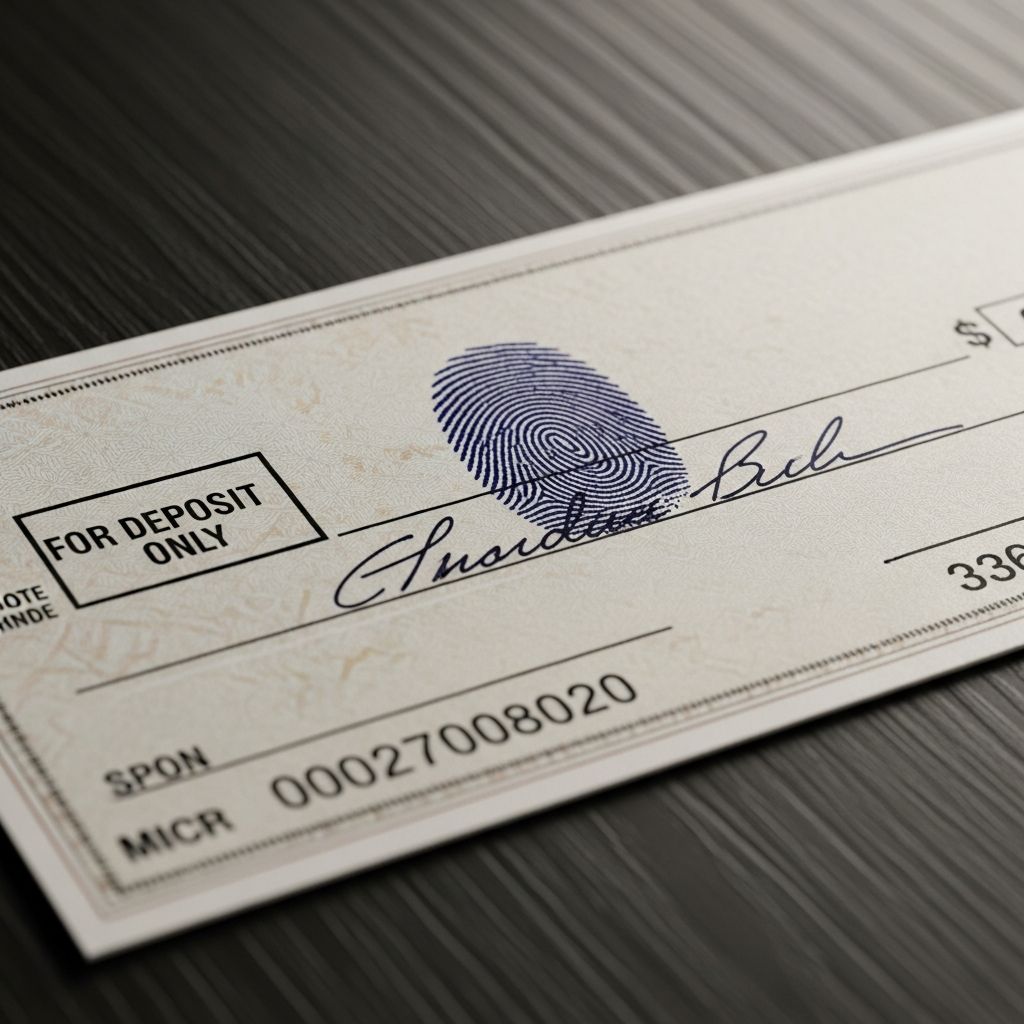
Understanding the Back of a Check: A Complete Guide
While most people focus on the front of a check when writing or receiving one, the back of a check plays an equally important role in the banking process. The back of a check contains critical elements that authorize the payment transaction and protect both the payer and payee. Whether you’re depositing a check you’ve received or understanding how checks work, knowing what’s on the back of a check is essential to financial literacy. This comprehensive guide will walk you through every aspect of the back of a check, from endorsement procedures to security features.
What Is the Endorsement Line?
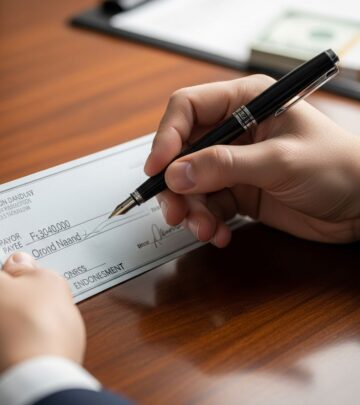
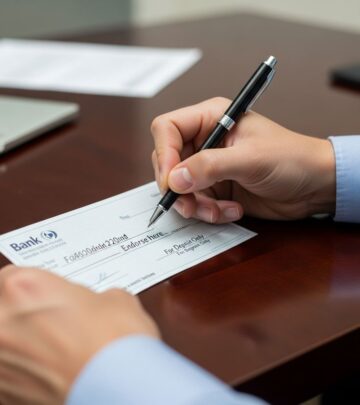
The endorsement line is the most prominent feature on the back of a check. Located near one of the short ends of the check, typically in the upper third, the endorsement line is a blank area where the recipient must sign before depositing the check. This signature line serves as a legal authorization, indicating that the person signing is the intended recipient and has authorized the bank to process the check on their behalf.
The endorsement process is a critical security measure that has been used in banking for centuries. When you sign the back of a check, you are essentially saying that you are the rightful owner of that check and that you give permission for the funds to be transferred to your account. Without this endorsement, banks typically will not process the check, whether you’re depositing it in person, through an ATM, or via mobile banking.
How to Properly Endorse a Check
Endorsing a check correctly is crucial to ensure smooth processing and avoid complications. Here are the key steps to follow when endorsing a check:
Step 1: Sign Your Name Exactly as It Appears on the Payee Line
The most important rule when endorsing a check is to sign your name exactly as it appears on the payee line of the check. If your name on the check is “John Michael Smith” but you typically go by “John Smith,” you should still sign as “John Michael Smith” on the endorsement line. This ensures that the signature matches the name the check was written to, which banks use as verification when processing the check electronically.
Step 2: Write Only on the Endorsement Line
Avoid writing anything below the endorsement line on the back of the check. The area below the signature line is reserved for bank processing information and other administrative details. Writing outside the designated endorsement area can cause complications during processing and may prevent the check from being accepted by the bank. Keep your endorsement confined to the designated line and use blue or black ink.
Step 3: Be Aware of Timing
It’s best to endorse a check only when you’re ready to deposit it or hand it directly to someone who will deposit it immediately. If you endorse a check in advance, you’re technically giving anyone who possesses the check permission to cash it on your behalf, which poses a security risk. Waiting until you’re at the bank, ATM, or using mobile deposit to sign the check reduces the likelihood of fraud.
Types of Check Endorsements
While a simple signature is the standard endorsement, there are several types of endorsements used in different circumstances:
Blank Endorsement
A blank endorsement is the most common type, where you simply sign your name on the endorsement line. This makes the check payable to the bearer—essentially anyone who possesses the check can deposit it or cash it. While convenient, blank endorsements are risky if the check is lost or stolen.
Restrictive Endorsement
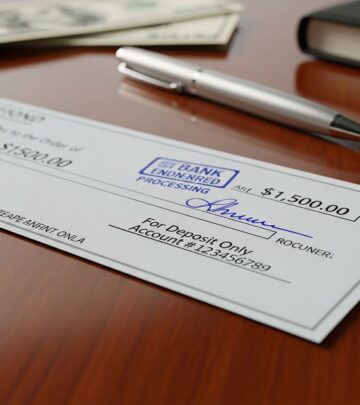
A restrictive endorsement adds text above your signature that limits how the check can be used. The most common restrictive endorsement is “For Deposit Only,” followed by your account number or signature. This type of endorsement restricts the check to deposit only and significantly reduces the risk of fraud if the check is lost or intercepted.
Special Endorsement
A special endorsement, also called a third-party endorsement, allows you to transfer the check to another person. You would write “Pay to the order of [Person’s Name]” followed by your signature. This type is less commonly used and may not be accepted by all banks, so it’s best to check with your financial institution before attempting to use it.
Security Features on the Back of a Check
The back of a check contains several security features designed to prevent fraud and counterfeiting. Understanding these features helps you verify that a check is legitimate before accepting or depositing it.
Watermarks and Security Printing
Many checks, especially those from established financial institutions and government agencies, feature watermarks and special security printing on the back. U.S. Treasury checks, for example, are printed on watermarked paper that reads “U.S. Treasury” when held up to light, visible from both the front and back of the check. These watermarks are difficult to replicate and serve as a key authentication feature.
MICR Line Information
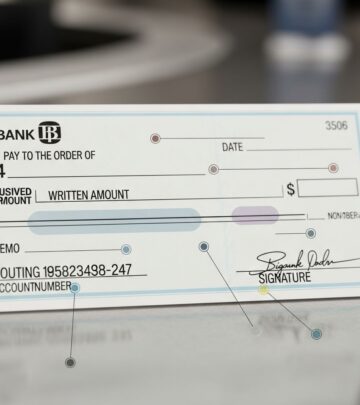
While much of the MICR (Magnetic Ink Character Recognition) line information appears on the front bottom of the check, some checks may include additional machine-readable information on the back. The routing number and account number, which are printed in magnetic ink on the front, are essential for the banking system to properly process the check.
Check Design and Printing Quality
Legitimate checks are printed with high-quality graphics and precise alignment. The back of a check should have consistent coloring, clear text, and professional design elements. Counterfeit checks often show signs of poor printing quality, misalignment, or unusual designs that differ from legitimate checks.
Common Issues When Endorsing Checks
Several common mistakes can arise during the endorsement process, potentially delaying check processing or causing deposits to be rejected:
Signature Mismatch
If your endorsement signature doesn’t match the name on the payee line, banks may reject the check or flag it for manual review. This can delay access to your funds. Always verify the exact spelling of your name on the check before endorsing it.
Writing in the Wrong Area
Writing notes or additional information below the endorsement line can interfere with bank processing. Banks use specific areas on the back of checks for their processing codes and information. Writing outside the designated endorsement area may cause sorting machines to misread the check.
Multiple Endorsements
If a check has been transferred between multiple people (third-party transfers), it will have multiple endorsements on the back. Many banks no longer accept checks with multiple endorsements due to increased fraud risk. If you receive a check that’s already been endorsed by someone else, it’s safest to have the original recipient deposit it directly into your account rather than attempting a third-party transfer.
Endorsing Checks Not Intended for You
Never endorse or attempt to deposit a check that isn’t made out to you or to you and another party. Doing so is illegal and constitutes fraud. Banks verify that the endorsing party matches the payee name before processing any check.
Mobile Check Deposits and Digital Endorsements
With the rise of mobile banking, the endorsement process has evolved. When depositing a check through a bank’s mobile app, you typically sign the check using your finger or stylus on the phone’s screen. Most banks require you to sign the back of the check on the endorsement line in the same way you would for in-person deposits. Some banks may also accept checks without a physical signature if you’re using their authorized mobile app and have been verified through other security measures.
Digital endorsements are becoming more common, but the principle remains the same: the bank needs to verify that you are the authorized recipient of the check before processing it. Always follow your bank’s specific procedures for mobile check deposit to ensure your deposit is processed correctly.
Best Practices for Check Endorsement and Security
Endorse Checks Immediately Before Deposit
Don’t endorse checks in advance. Wait until you’re ready to deposit the check to sign the endorsement line. This minimizes the window of risk if the check is lost or stolen.
Use Restrictive Endorsements When Possible
Always use a “For Deposit Only” restrictive endorsement, especially for checks you’re not depositing immediately. This limits the check’s use to deposits only and protects you from fraud.
Verify Check Details Before Endorsing
Before signing the endorsement line, verify that the check amount matches any accompanying documentation and that your name is spelled correctly on the payee line. If there are any discrepancies, contact the check issuer before endorsing.
Keep Endorsed Checks Secure
Once endorsed, treat the check as you would cash. Store it in a secure location until you deposit it. Don’t leave endorsed checks on desks, in vehicles, or in other unsecured areas where they could be stolen.
Understanding Check Authenticity
Before endorsing any check, especially large ones, verify that it’s genuine. Be suspicious of checks that:
– Have unusual colors, fonts, or designs that differ from typical checks- Feature printing that appears smudged, blurry, or misaligned- Include suspicious writing or alterations- Come from unfamiliar sources with requests for unusual deposit procedures- Have amount discrepancies between the numeric and written dollar amounts that seem intentional
If you suspect a check might be fraudulent, contact the issuing bank directly to verify before depositing it. Never deposit a check you believe to be counterfeit, as you could be held responsible for the fraudulent amount.
The Legal Significance of Endorsements
Your endorsement on a check has legal significance. By signing the endorsement line, you are certifying that you are the rightful recipient and that you have authorized the bank to process the check. If a check is dishonored (bounces) or is later determined to be fraudulent, you may be held liable depending on the circumstances and your bank’s policies.
For business transactions involving large checks or unfamiliar parties, consider having your bank verify the check or using alternative payment methods such as wire transfers or certified checks, which provide greater security and protection.
Frequently Asked Questions About Check Endorsements
Q: Can I deposit a check without endorsing it?
A: No, all paper checks, including cashier’s checks and money orders, must have some form of endorsement on the back before a bank will process them. However, some banks may accept checks via mobile deposit with digital signatures that don’t require a physical pen-and-paper signature on the back.
Q: What should I do if I make a mistake when endorsing a check?
A: If you make a mistake on the endorsement line, such as signing incorrectly or in the wrong location, contact your bank before attempting to deposit the check. Depending on the severity of the error, the bank may still accept it, or you may need to request a new check from the issuer.
Q: Is it safe to endorse a check in pencil?
A: No, always use blue or black ink when endorsing a check. Pencil can be erased, which increases fraud risk. Ink-based signatures are more secure and are required by most banks.
Q: Can someone else deposit a check I’ve endorsed?
A: If you’ve used a blank endorsement (just your signature), yes, anyone can deposit the check. This is why restrictive endorsements like “For Deposit Only” are recommended. With a restrictive endorsement, only you can deposit the check into your account.
Q: What is the best way to sign the back of a check?
A: The best way is to wait until you’re at the bank or ready to make a mobile deposit, then sign your name exactly as it appears on the payee line using blue or black ink on the designated endorsement line. Keep your signature within the designated area and avoid writing anything below it.
Q: How long is a check valid after being endorsed?
A: Banks can typically cash checks up to six months from the date written, though this varies by institution and state law. Some checks indicate they are only good for 90 days, though banks may still honor them for up to 180 days. Always try to deposit endorsed checks promptly to avoid any issues with stale-dating.
Conclusion
The back of a check, while often overlooked, plays a vital role in the banking and payment process. Understanding how to properly endorse a check, recognizing security features, and following best practices for check handling protects you from fraud and ensures your deposits are processed smoothly. By signing your name correctly on the endorsement line, using restrictive endorsements when appropriate, and keeping endorsed checks secure, you can confidently handle checks in your personal and business finances. As digital payment methods continue to evolve, the fundamentals of check endorsement remain important for anyone who still uses or receives checks.
References
- How to Read a Check — PNC Insights. 2025. https://www.pnc.com/insights/personal-finance/spend/how-to-read-a-check.html
- Understanding the Parts of a Check — NerdWallet. 2025. https://www.nerdwallet.com/banking/learn/understanding-the-parts-of-a-check
- Breaking Down the Parts of a Check — Wintrust Financial Corporation. March 2023. https://www.wintrust.com/articles/2023/03/breaking-down-the-parts-of-a-check.html
- How to Write a Check: A Guide — Chase Bank. 2025. https://www.chase.com/personal/banking/education/basics/how-to-write-a-check
- How to Endorse a Check: 5 Easy Steps — Citizens Bank. 2025. https://www.citizensbank.com/learning/how-to-endorse-a-check.aspx
- How to Write A Check: Fill Out A Check — Huntington Bank. 2025. https://www.huntington.com/learn/checking-basics/how-to-write-a-check
- U.S. Treasury Check Security Features — U.S. Department of Treasury Fiscal Service. https://fiscal.treasury.gov/files/reference-guidance/gold-book/check-security-poster.pdf
Similar Articles








Read full bio of Sneha Tete