Back in Debt: Here’s How to Pay It Off for Good
Fell back into debt? Discover proven strategies to eliminate it permanently and achieve lasting financial freedom through discipline and smart planning.
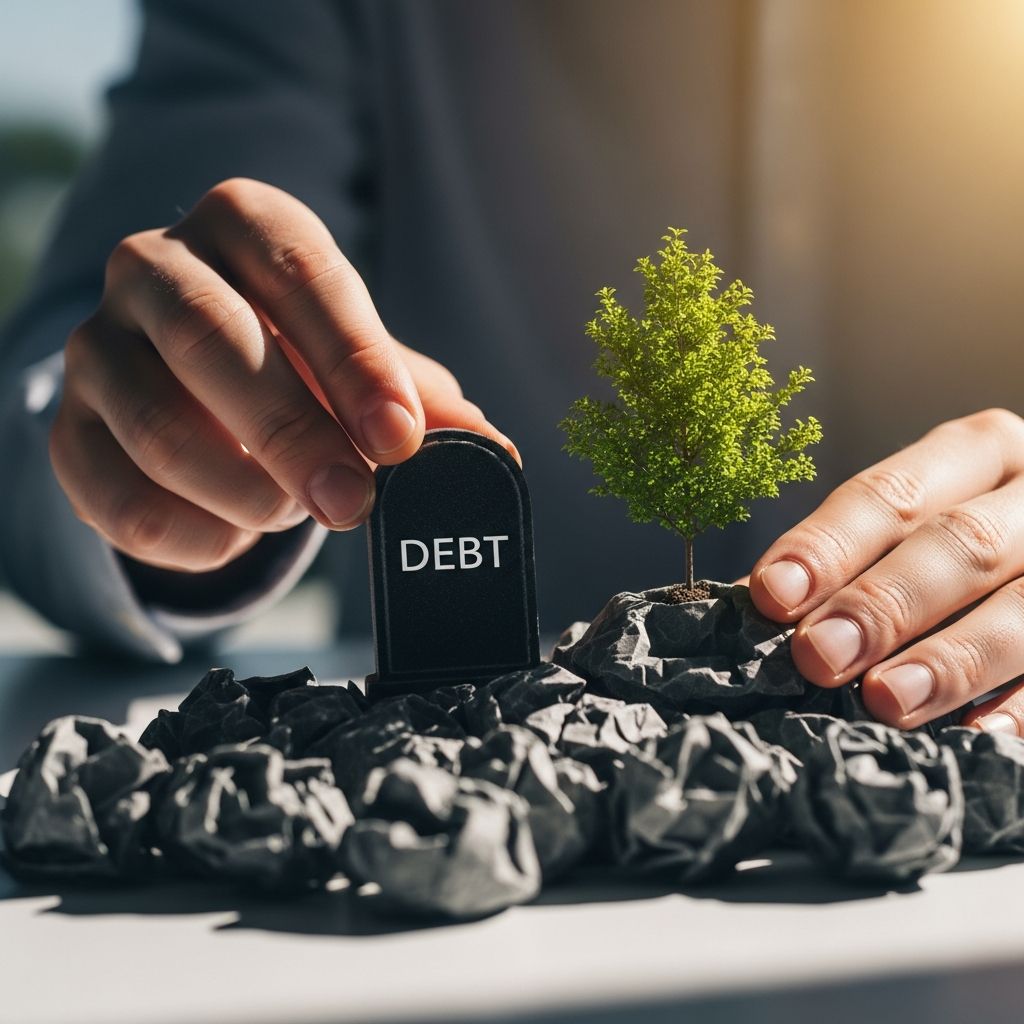
Returning to debt after achieving freedom feels like a setback, but it’s a common challenge many face due to life’s unexpected turns or old habits resurfacing. The good news is that with a structured plan, discipline, and strategic adjustments, you can eliminate debt permanently and reclaim financial control. This article draws from real experiences and proven tactics to guide you through assessment, repayment strategies, habit changes, and prevention measures.
Understand Why You Slipped Back into Debt
Recognizing the root causes of your debt relapse is the first step to breaking the cycle. Common triggers include job loss, medical emergencies, lifestyle inflation, or simply resuming impulse spending after paying off previous balances. For instance, many people, like those sharing stories on financial blogs, accumulate debt through student loans, mortgages, and credit cards that extend beyond their means, trapping them in a cycle of wage and debt servitude.
- Life Events: Unexpected expenses such as unemployment or health issues can force reliance on credit, as seen in personal accounts where income drops led to borrowing despite frugality efforts.
- Habitual Spending: Impulse buys and nickel-and-diming expenses, like the $36,000 credit card debt one individual overcame through extreme frugality, often creep back in.
- Systemic Pressures: Easy access to financing and societal norms pushing homeownership and education loans create debt traps, making it harder for savers than spenders.
By identifying your specific triggers—whether emotional spending, underestimating ongoing costs, or economic downturns—you set the foundation for targeted solutions. Track your last six months of statements to spot patterns, such as dining out or subscriptions that add up.
Assess Your Current Financial Situation
Before diving into repayment, conduct a full audit of your finances. List all debts, interest rates, minimum payments, and total balances. This transparency reveals the urgency of high-interest debts like credit cards, which can accrue 11% or more annually on balances, spiraling costs and damaging credit scores.
| Debt Type | Balance | Interest Rate | Minimum Payment |
|---|---|---|---|
| Credit Card 1 | $5,000 | 22% | $150 |
| Student Loan | $20,000 | 6% | $250 |
| Personal Loan | $8,000 | 12% | $200 |
| Total | $33,000 | – | $600 |
Use tools like spreadsheets or apps to categorize income versus expenses. Calculate your debt-to-income ratio: aim to keep it under 36%. If savings are depleted, prioritize rebuilding a $1,000 emergency fund post-audit to avoid further borrowing.
Create a Realistic Budget and Cut Expenses Ruthlessly
A zero-based budget, where every dollar is assigned a job, is essential. Track every penny to close the gap between income and outflows, as frugality alone creates limited room amid high debt loads.
- Essential Cuts: Eliminate dining out, subscriptions, and luxury items. One reader cleared $60,000 in 18 months on $65,000 income by embracing minimalism.
- Negotiate Bills: Call providers for lower rates on utilities, insurance, and loans.
- Frugal Swaps: Cook at home, use public transport, and shop sales—habits that paid off a home mortgage in two years for one frugal buyer.
Target 50/30/20 rule adaptation: 50% needs, 20% debt payoff, 30% wants (trimmed aggressively). Review monthly to adjust.
Increase Your Income Streams
While cutting costs is vital, boosting earnings accelerates escape. The ‘slow fix’ of frugality takes time; higher incomes provide a faster path. Side hustles, raises, or job switches can double payoff speed.
- Gig Economy: Drive for rideshares, freelance, or sell items online—many cleared debts this way.
- Career Moves: Upskill for promotions; one commenter reached $70,000 net worth post-debt by focusing on income growth.
- Asset Leverage: Sell unused items or rent space to generate cash for debts.
Aim for 20% income increase initially. Combine with expense cuts for surplus payments exceeding minimums.
Choose the Right Debt Repayment Strategy
Select a method matching your psychology: debt snowball for motivation or avalanche for math efficiency.
- Debt Snowball: Pay minimums on all, extra on smallest balance first for quick wins.
- Debt Avalanche: Target highest interest first to minimize total cost, ideal for credit cards.
- Debt Consolidation: If credit is decent, consolidate to lower rates—but avoid if it extends terms.
Examples show $36,000 credit card debt vanquished via frugality and focused payments. Automate payments to stay consistent.
Build Positive Financial Habits
Debt freedom requires mindset shifts. Track spending daily, review weekly. Embrace minimalism to curb splurges, as one debtor did post-$60k payoff.
- Emergency Fund: Post-debt, save 3-6 months expenses.
- No New Debt Rule: Use cash/debit only; pause big purchases.
- Accountability: Join forums or apps for support.
Celebrate milestones without spending, like free hikes, to reinforce behaviors.
Deal with Collectors and Protect Your Credit
If debts are delinquent, communicate proactively. Negotiate settlements, but get agreements in writing. Defaulting harms credit for seven years, complicating future loans.
- Validation Letters: Request debt proof from collectors.
- Credit Monitoring: Dispute errors; build score by paying on time.
- Last Resorts: Bankruptcy discharges some debts but not student loans.
Plan for Long-Term Debt Prevention
Sustain freedom by living below means. Avoid lifestyle inflation; save for goals like cash home buys. Teach family debt aversion for generational change.
Debt traps stem from easy credit and norms, but awareness empowers escape. Aim for net worth growth post-payoff, as one 26-year-old achieved $70k.
Frequently Asked Questions (FAQs)
Q: How long does it take to pay off significant debt?
A: Varies by amount and strategy; $60k cleared in 18 months with $65k income and cuts, but plan 1-5 years realistically.
Q: Should I use balance transfers?
A: Yes for 0% intro periods if you pay off before end, but avoid fees exceeding savings.
Q: What if I face income loss again?
A: Maintain emergency fund and multiple streams; frugality buffered one family during cuts.
Q: Is debt consolidation safe?
A: Only if it lowers costs without extending terms; compare rates carefully.
Q: How to stay motivated?
A: Use visual trackers, small rewards, and communities for accountability.
References
- Wage slave, debt slave — Wise Bread. 2009-01-12. https://www.wisebread.com/wage-slave-debt-slave
- Another path to recovery: higher incomes — Wise Bread. 2009-01-12. https://www.wisebread.com/another-path-to-recovery-higher-incomes
- 9 Financial Moves You Will Always Regret — Wise Bread. 2009-01-12. https://www.wisebread.com/9-financial-moves-you-will-always-regret
- Recent comments | Wise Bread (Frugal Fundamentals) — Wise Bread. 2009-01-12. https://www.wisebread.com/comments/Frugal%20Fundamentals?page=2759
- Recent comments | Wise Bread — Wise Bread. 2009-01-12. https://www.wisebread.com/comments?page=2785
- The Debt Trap: Factors That Have Led Us To Our Debt — Wise Bread. 2009-01-12. https://www.wisebread.com/the-debt-trap-factors-that-have-led-us-to-our-debt
Similar Articles








Read full bio of medha deb