Baby Costs In The First Year: What To Budget For
Understand first-year baby costs, plan your budget, and learn smart ways to save without sacrificing your baby’s well-being.
When you find out you are expecting a baby, the excitement comes with a big, practical question: how much does a baby cost in the first year? Planning ahead for these expenses can help you feel prepared, protect your finances, and let you focus more on enjoying your new baby.
Estimates suggest that first-year costs for a baby can range roughly from $20,000 to $50,000, depending on where you live, your insurance, childcare choices, and lifestyle. These expenses include medical bills, baby gear, ongoing monthly costs like diapers and food, and possibly childcare. This guide walks through the main categories of costs, typical ranges, and tips to keep spending under control.
How Much Does A Baby Cost In The First Year?
The first year of your baby’s life comes with both one-time expenses and ongoing monthly costs. While every family is different, it is useful to see a rough breakdown of where your money may go.
| Cost Category | Approximate Range (First Year) | Notes |
|---|---|---|
| Prenatal care & delivery | $2,600 – $10,000+ out of pocket | Highly dependent on insurance, type of delivery, and location. |
| Baby gear & nursery setup | $1,500 – $3,500 | Crib, mattress, car seat, stroller, etc. |
| Diapers & wipes | ~$900 – $1,200 | 6–10 diapers/day plus wipes in most cases. |
| Formula & feeding supplies | $1,200 – $3,000 | Depends on formula use, brand, and feeding method. |
| Baby clothes | $700 – $1,000 | First year is a fast-growth phase with frequent size changes. |
| Childcare (if used) | $6,000 – $20,000+ | Varies widely by type of care and region. |
These estimates are not exact predictions but give a ballpark to help you build a realistic baby budget. Your actual costs may be lower if you receive hand-me-downs, buy secondhand, or have low childcare costs, or higher if you live in an expensive area or choose premium services.
1. Prenatal Care And Delivery Costs
One of the first major categories of baby-related expenses comes before your baby is born: prenatal care and delivery. Even with health insurance, most families will pay part of these costs out of pocket.
Typical Prenatal And Delivery Expenses
Common costs include:
- Prenatal appointments: Regular checkups, ultrasounds, blood tests, and screenings.
- Labor and delivery: Vaginal birth, cesarean section (C-section), anesthesia, and hospital stay.
- Postpartum care: Follow-up visits for the birthing parent and newborn checkups.
In the United States, the average health care spending for maternity care (pregnancy, delivery, and postpartum) can easily reach several thousand dollars out of pocket depending on your insurance deductible and cost-sharing.
Ways To Manage Medical Costs
- Review your insurance: Learn your deductible, co-pays, and out-of-pocket maximum before the baby arrives.
- Use FSA or HSA funds if available to pay eligible medical expenses with pre-tax dollars.
- Ask for itemized bills and check for errors; billing mistakes are common.
- Set up a payment plan with the hospital if needed to avoid high-interest debt.
2. Childcare And Support Costs
For many families, childcare is one of the biggest baby costs in the first year. The amount you pay depends heavily on your work situation, family support, and local market rates.
Common Childcare Options
- Daycare centers: Structured care in a group setting; can range from around $1,000 to $2,500 per month in many urban areas.
- Home-based daycare: Often smaller and sometimes less expensive than centers, depending on location.
- Nanny or babysitter: One-on-one care; hourly rates commonly range from $15 to $20 or more in many regions.
- Family help: Grandparents or relatives may offer childcare at low or no cost, which can dramatically reduce expenses.
Reducing Childcare Costs
- Compare options early and join waitlists well before your due date.
- Consider flexible schedules or remote work to reduce full-time childcare needs if your job allows.
- Look into employer benefits such as dependent care flexible spending accounts (FSAs) or childcare subsidies if offered.
- Share a nanny with another family to split costs if that fits your lifestyle.
3. Items And Ongoing Supplies For The Baby
Babies come with a long list of items, from diapers to clothes to toys and furniture. The key is to focus on essentials and avoid being swept up by marketing or trends. Many first-year costs fall into predictable monthly patterns that you can plan for.
Diapers
Diapers are one of the most consistent and unavoidable baby costs in the first year. The National Diaper Bank Network notes that babies typically use about 6 to 10 diapers per day, which can lead to around $80 per month or close to $900 per year for disposable diapers.
To manage diaper costs:
- Buy in bulk from warehouse clubs or during sales to reduce per-diaper cost.
- Sign up for store rewards or subscribe-and-save programs where discounts apply.
- Use coupons or cashback apps to get a portion of your spending back.
- Consider cloth diapers if you are able to handle the extra laundry; these may have higher upfront costs but can lower long-term spending.
Baby Food And Formula
Your baby’s feeding costs will depend on whether you breastfeed, use formula, or a combination of both. Parents who use formula can spend approximately $1,200 to $3,000 per year, or about $100 to $250 per month, depending on the brand and the baby’s needs.
Key feeding-related costs include:
- Infant formula (if not exclusively breastfeeding).
- Solid foods and snacks introduced later in the first year.
- Bottles, nipples, and cleaning supplies like bottle brushes and drying racks.
Tips to save on feeding costs:
- Check insurance coverage for a breast pump; many health plans must cover one under federal law in the U.S.
- Start with smaller quantities of formula or solids when trying a new brand or type to avoid waste.
- Prepare simple homemade baby foods (such as pureed fruits and vegetables) when appropriate, which can be cheaper than premade jars or pouches.
Baby Bottles And Breast Pump
Bottles may cost roughly $5 to $20 each depending on brand and features, and you will likely need several to rotate through feeding and washing. A quality breast pump can cost between $200 and $400 if purchased out of pocket, but many parents pay less or nothing if their health insurance provides one.
- Check eligibility for a free or discounted pump through your insurance plan.
- Buy only a few bottles at first until you know what works for your baby.
- Consider buying bottle sets on sale or secondhand (only if they can be properly sanitized and parts replaced).
Baby Clothes
Babies grow quickly, especially in the first year, so clothes can be a surprisingly large recurring expense. A modest budget might be around $60 to $80 per month in the first year, depending on how much you buy and whether you shop sales or secondhand.
Ways to keep clothing costs reasonable:
- Prioritize comfort and practicality over trendy outfits.
- Buy slightly larger sizes so your baby can wear items longer.
- Take advantage of hand-me-downs from friends or relatives.
- Shop secondhand at consignment stores, thrift stores, and online resale platforms.
Toys, Nursery, And Furniture
Your baby’s environment and gear matter, but you do not need to buy every gadget marketed to new parents. Focus on core items first:
- Safe sleep space: Crib or bassinet with a firm mattress that meets safety standards.
- Feeding seat or high chair once your baby starts solids.
- Car seat that is correctly installed and not expired.
- Simple toys and books suitable for your baby’s age.
Nursery and gear costs can easily exceed $1,500 if you buy everything new and high-end, but can be much less with careful planning and secondhand shopping.
To save:
- Start with essentials only and add extras later if you truly need them.
- Skip decorative splurges that do not improve safety or your baby’s well-being (like elaborate light fixtures).
- Consider secondhand furniture as long as it meets current safety standards and is in good condition.
4. How To Calculate Baby Costs In The First Year
Estimating baby expenses can feel overwhelming, but treating it like any other budget project makes it manageable. Many parents use a baby cost calculator or a simple spreadsheet to map out costs before the baby arrives.
Using Baby Cost Calculators
Online baby cost calculators (often offered by financial institutions and parenting sites) let you enter your information and preferences to estimate your first-year costs. These tools usually factor in:
- Medical expenses (prenatal, delivery, insurance premiums).
- Childcare choices and expected hours.
- Feeding method (breastfeeding, formula, or mixed).
- Diapering choices (disposable vs. cloth).
- Nursery and gear budget.
Use these results as a starting point and then adjust based on your local prices and lifestyle. For example, if childcare in your city is much higher than a national average, increase that line item accordingly.
Creating A Simple Baby Budget
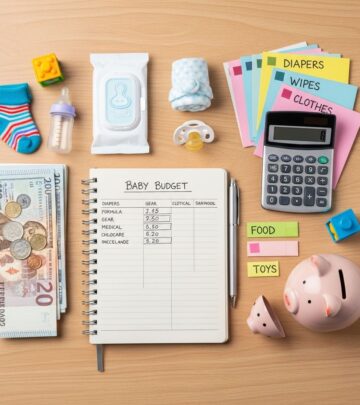
You can also create your own baby budget by listing categories and estimating monthly or one-time costs. A simple structure might include:
- Medical: Insurance, prenatal/delivery out-of-pocket costs.
- Housing & utilities: If you might move to a larger place or see higher utility use.
- Diapers & wipes.
- Feeding: Formula, breast pump, bottles, baby food.
- Clothing & laundry.
- Childcare (daycare, nanny, babysitters).
- Gear & nursery.
- Emergency savings for surprises.
Track your actual spending in the first few months and adjust your estimates as needed. This helps prevent overspending and allows you to redirect money toward priorities like debt payoff or savings when you can.
5. Be A Savvy Shopper: Saving Money On Baby Costs
The good news is that you have many opportunities to cut baby costs without compromising your child’s safety or well-being. A strategic approach to shopping can make a big difference in your first-year spending.
Smart Shopping Strategies
- Use coupons and cashback tools for diapers, formula, clothes, and household items.
- Sign up for rewards programs at grocery stores, pharmacies, and baby retailers.
- Buy secondhand for clothes, many toys, and some furniture.
- Borrow rarely used items like newborn-specific gear that is only useful for a short time.
- Build a baby registry focused on essentials so friends and family can help with what you truly need.
What To Buy New Versus Used
For safety reasons, some items are usually best purchased new or with extra caution:
- Car seats: Use only if you know the full history, no accidents, not expired, and meets current safety standards.
- Cribs and mattresses: Make sure they comply with current safety regulations and are structurally sound.
Many other items—like clothing, high chairs, swings, and toys—can often be safely bought secondhand if they are in good condition, cleaned thoroughly, and not subject to recalls.
Planning Ahead Helps Cover Baby Costs
Understanding baby costs in the first year allows you to prepare instead of being caught off guard. The more you plan and save ahead of time, the easier it becomes to handle both expected and surprise expenses.
Key steps to take now:
- Review your overall budget and make room for new baby-related categories.
- Build or strengthen your emergency fund to at least three to six months of living expenses if possible.
- Start a dedicated “baby fund” for big purchases like nursery setup and gear.
- Talk openly with your partner about maternity/paternity leave, work plans, and childcare choices.
Finally, remember that parenting is more than just numbers. While it is important to be financially prepared, no one gets it perfect. If you overspend one month, adjust the next. If your plans change, update your budget. The goal is to support your family’s well-being, not to achieve a flawless spreadsheet.
Frequently Asked Questions (FAQs)
Q: How much should I budget per month for a baby in the first year?
A: A common estimate is around $1,000 per month, including diapers, feeding, clothing, and a portion of medical and gear costs, though this can be higher or lower depending on childcare costs and your lifestyle.
Q: What is the biggest baby cost in the first year?
A: For many families, childcare is the largest single expense, especially if paying for full-time daycare or a nanny. In other cases, medical bills or housing changes may be the biggest cost.
Q: Can I really save money buying secondhand for my baby?
A: Yes. Buying gently used clothing, toys, and some furniture can significantly reduce your first-year expenses. Just be sure that any gear meets current safety standards and is not recalled.
Q: How early should I start saving for baby costs?
A: Financial experts often recommend starting as soon as you are planning or trying for a baby. Building savings before your due date can help cover medical bills, gear, and the adjustment in income during any parental leave.
Q: What if my budget is tight—can I still afford a baby?
A: Many families raise children on modest incomes by prioritizing needs over wants, using public benefits when eligible, buying secondhand, and carefully planning their budget. Tracking your spending and making a realistic plan is especially important if money is tight.
References
- Diaper Need and Its Impact on U.S. Families — National Diaper Bank Network. 2023-05-01. https://nationaldiaperbanknetwork.org/diaper-need-in-america/
- How Much To Save For A Baby + Key Savings Tips For New Parents — Clever Girl Finance. 2024-01-10. https://www.clevergirlfinance.com/preparing-for-a-baby/
- How To Create A Baby Budget: Plus 3 Best Baby Budget Worksheets! — Clever Girl Finance. 2023-08-15. https://www.clevergirlfinance.com/baby-budget/
- Prenatal Care — U.S. Office on Women’s Health (OASH). 2023-02-28. https://www.womenshealth.gov/pregnancy/youre-pregnant-now-what/prenatal-care
Similar Articles








Read full bio of Sneha Tete