House Poor: 5 Prevention Strategies To Avoid The Trap
Learn what it means to be house poor, spot the warning signs, and discover practical strategies to maintain financial balance while owning your home.
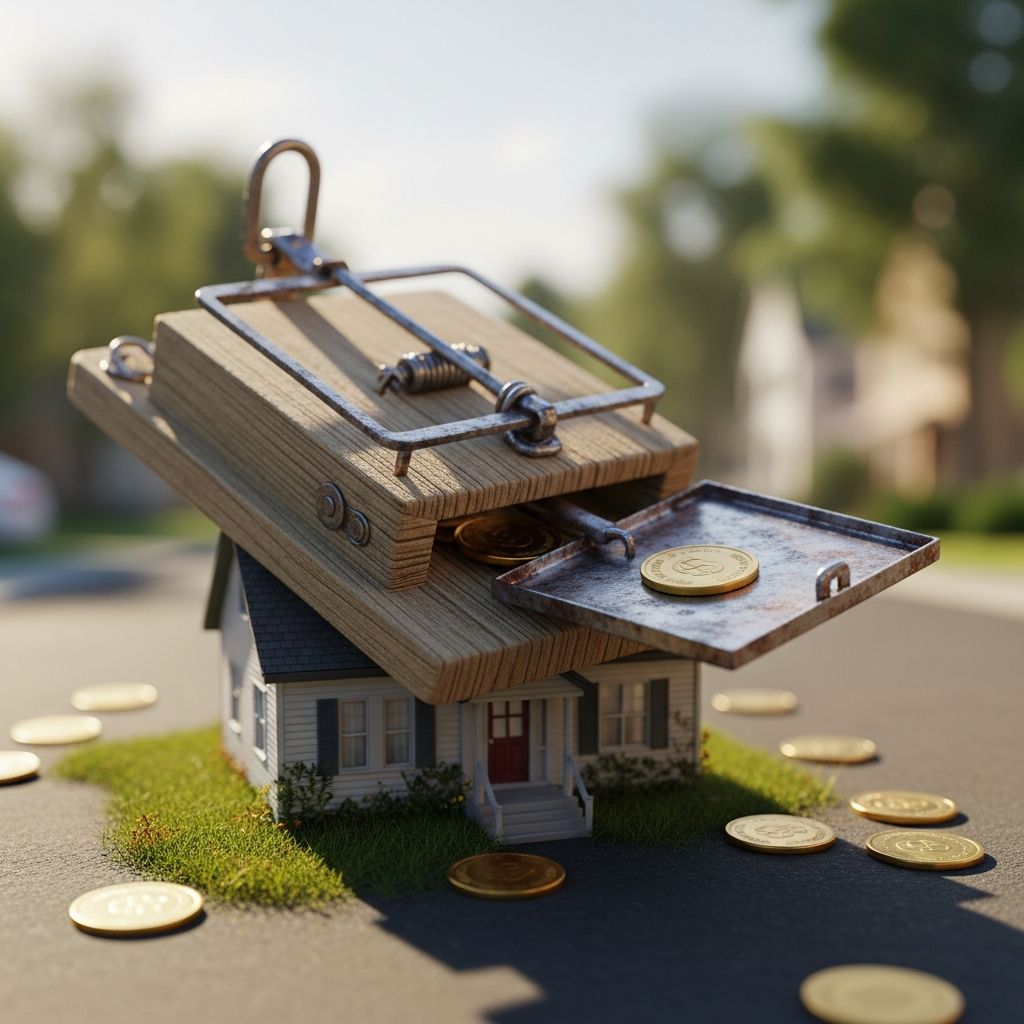
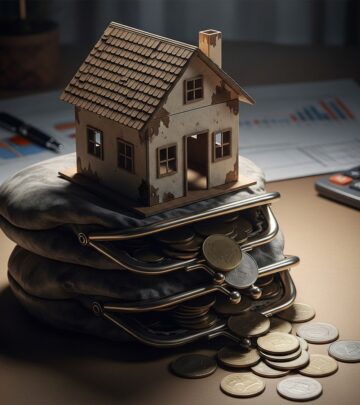
Homeownership represents a major milestone for many, offering stability and the chance to build wealth through property equity. However, it can quickly turn into a financial burden if housing expenses overwhelm your budget. This situation, commonly known as being “house poor,” arises when a disproportionate share of income goes toward maintaining a home, squeezing out funds for essentials, savings, and leisure. Understanding this concept is crucial for prospective and current homeowners alike to ensure long-term financial well-being.
Defining the House Poor Phenomenon
At its core, being house poor describes homeowners who allocate an excessive portion of their earnings to residence-related costs, often exceeding comfortable limits and leaving minimal discretionary income. This isn’t limited to low earners; even high-income households can fall into this trap by overextending on luxury properties. Housing costs typically encompass mortgage principal and interest, property taxes, homeowners insurance, utilities, maintenance, and potential association fees. When these combine to consume more than recommended thresholds, financial flexibility erodes.
Financial experts often reference the 28/36 rule as a benchmark: no more than 28% of gross monthly income should go toward housing, and total debt payments should not exceed 36%. Exceeding these can signal house poor status, though individual circumstances vary. A Harvard University study highlights that 24% of U.S. homeowners in 2023 were cost-burdened, spending 30% or more on housing and utilities, underscoring the prevalence of this issue.
Common Triggers Leading to Financial Overstretch
Several factors contribute to homeowners becoming house poor. Rapid home price appreciation, especially post-pandemic, has pushed many buyers to stretch budgets in competitive markets, assuming future income growth will offset costs. First-time buyers frequently underestimate ongoing expenses beyond the mortgage, such as unexpected repairs or rising utility bills.
- Overbuying in the excitement of purchase: Emotional decisions lead to selecting homes beyond means, prioritizing size or location over affordability.
- Life changes: Job loss, medical emergencies, or interest rate hikes can transform manageable payments into burdens.
- Ignoring hidden costs: Property taxes, insurance premiums, and HOA dues often surprise new owners, compounding mortgage strain.
- Leverage through large loans: Minimal down payments result in higher monthly obligations, amplifying vulnerability.
A ConsumerAffairs survey revealed 69% of homeowners feel house poor at times, with 54% citing home expenses as their top financial worry, illustrating how widespread these triggers are.
Recognizing Early Warning Signs
Spotting house poor tendencies early allows for corrective action before debt spirals. Key indicators include living paycheck-to-paycheck, where housing dominates outflows, or delaying non-housing bills like utilities or groceries.
| Sign | Impact |
|---|---|
| Minimal savings after bills | No emergency fund; vulnerability to crises |
| Reliance on credit for basics | Accumulating high-interest debt |
| Skipping maintenance | Costly future repairs |
| Reduced retirement contributions | Long-term security at risk |
| Foreclosure anxiety | Stress and potential credit damage |
Calculate your ratio: total housing costs divided by gross income. If over 30%, reassess immediately. Tools like mortgage calculators help project full ownership expenses.
Strategies for Prevention Before Buying
Proactive planning prevents house poor pitfalls. Start with a thorough affordability assessment, factoring all costs—not just principal and interest.
- Adhere to affordability ratios: Cap housing at 25-30% of take-home pay for buffer room.
- Save aggressively: Aim for 20% down to lower payments and avoid PMI.
- Shop rates and terms: Compare lenders for best deals; consider fixed-rate mortgages for stability.
- Budget holistically: Project taxes (use local estimators), insurance, and 1-2% annual maintenance.
- Build reserves: Maintain 3-6 months’ expenses in savings pre-purchase.
Consult advisors to simulate scenarios, ensuring homeownership enhances rather than hinders life.
Recovery Options for Current Homeowners
If already house poor, viable paths exist to regain control. Prioritize expense audits to identify cuts, like energy-efficient upgrades reducing utilities.
- Refinance for lower rates if credit qualifies, potentially slashing payments.
- Rent out space (e.g., basement apartment) for supplemental income.
- Downsize to a cheaper property, freeing equity for investments.
- Boost earnings via side gigs or career advancement.
- Negotiate bills or seek assistance programs for taxes/utilities.
Government resources, like HUD counseling, offer free guidance for at-risk owners. Avoid quick fixes like high-interest loans that worsen cycles.
Long-Term Financial Health in Homeownership
Sustainable homeownership balances equity building with liquidity. Diversify wealth beyond property; automate savings post-housing payments. Regularly review budgets amid life changes—family growth, market shifts—to stay ahead.
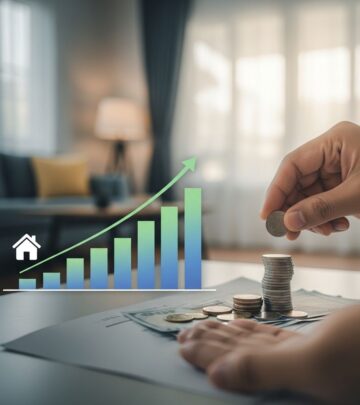
Equity growth benefits house rich owners, but cash flow matters more daily. Aim for homes appreciating steadily without payment strain. Education empowers: understand PITI (principal, interest, taxes, insurance) fully.
FAQ: House Poor Concerns Addressed
What percentage of income is too much for housing?
Generally, over 30% signals burden; stick under 28% for comfort per standard guidelines.
Can high earners be house poor?
Yes, lavish purchases relative to lifestyle can trap anyone, regardless of salary.
Is renting better than being house poor?
Temporarily, if it preserves savings; weigh building equity long-term.
How does inflation affect house poor status?
Rising costs amplify fixed payments’ impact; fixed mortgages offer protection.
What if I’m borderline house poor?
Track expenses monthly, cut non-essentials, and explore refinance options promptly.
References
- What Is ‘House Poor’ And How Can I Avoid It? — Bankrate. 2023. https://www.bankrate.com/real-estate/what-is-house-poor/
- What House Poor Means And How To Avoid It — Quicken Loans. 2024. https://www.quickenloans.com/learn/house-poor
- How To Avoid Being “House Poor” And What Does That Mean — The Madrona Group. 2023. https://www.themadronagroup.com/how-to-avoid-being-house-poor/
- What does it mean to be house poor and how can you avoid it? — Chase. 2024. https://www.chase.com/personal/mortgage/education/buying-a-home/house-poor
- How to Budget for a New Home So You Don’t End Up House Poor — NerdWallet (citing Harvard Joint Center for Housing Studies). 2024. https://www.nerdwallet.com/mortgages/learn/how-to-keep-from-being-house-poor
- House poor: What it means and how to avoid it — Rocket Mortgage. 2024-05-23. https://www.rocketmortgage.com/learn/house-poor
- Want to Avoid Being House Poor? Stick to the 28/36 Rule — The Mortgage Reports. 2024. https://themortgagereports.com/112145/what-is-the-28-36-rule
Similar Articles








Read full bio of Sneha Tete