Avoiding the Greater Fool Trap in Modern Investing
Learn how the Greater Fool Theory drives risky speculation and discover proven strategies to invest wisely without getting caught holding overvalued assets.

The
Greater Fool Theory
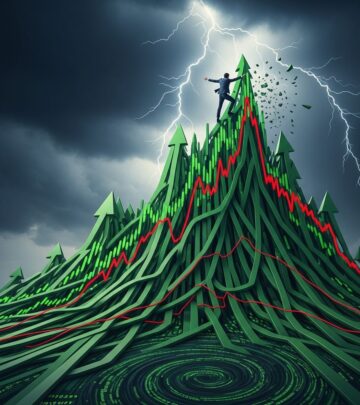
posits that investors can profit by buying overvalued assets, assuming someone else—a “greater fool”—will pay even more later. This speculative mindset fuels market bubbles but often leaves late entrants with heavy losses when prices collapse.Defining the Core Concept of Speculative Chain Reactions
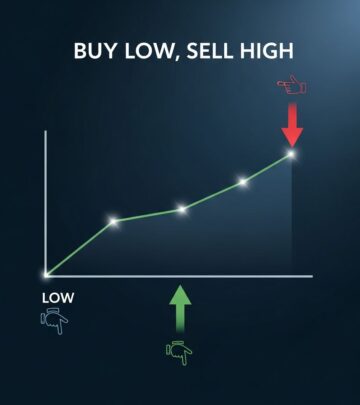
At its heart, this theory relies on a chain of transactions where each buyer hopes to offload the asset at a higher price, disregarding fundamentals like earnings or cash flows. Investors focus on momentum and sentiment rather than intrinsic value, creating artificial price inflation.
This approach thrives in hype-driven environments, where fear of missing out (FOMO) propels purchases. However, it inverts traditional investing principles, prioritizing exit timing over asset quality. When sentiment shifts, the chain breaks, and holders face steep declines.
How Speculation Manifests Across Asset Classes
In stock markets, the theory emerges when share prices detach from company performance, driven by narratives around growth or innovation. Traders pile in, betting on continued rises fueled by retail enthusiasm or media buzz.
Cryptocurrencies exemplify this dynamic, with extreme volatility amplifying risks. Assets like certain tokens surge on social media hype, only to crash when new buyers dry up. Here, speculation often overshadows utility or adoption metrics.
- Stock examples: Tech rallies during bull markets where valuations exceed historical norms.
- Crypto cases: Meme coins pumped by online communities, lacking real-world applications.
- Commodities: Rare earths or collectibles hyped as “next big thing.”
Historical Bubbles: Lessons from Past Crashes
History is littered with greater fool scenarios. The Dutch Tulip Mania of the 1630s saw bulbs trade for house prices, collapsing when demand evaporated. Modern parallels include the dot-com bubble, where internet stocks soared sans profits, bursting in 2000.
The 2008 housing crisis mirrored this: Subprime mortgages were repackaged and sold upward, assuming endless buyers. When defaults rose, the chain snapped, triggering global recession. These events show bubbles follow predictable patterns—euphoria, denial, panic.
| Bubble Event | Peak Driver | Collapse Trigger | Loss Impact |
|---|---|---|---|
| Tulip Mania (1637) | Hype around rare bulbs | Sudden oversupply realization | 90%+ value drop |
| Dot-Com (2000) | Internet growth narratives | Earnings misses | Nasdaq fell 78% |
| Housing (2008) | Easy credit, flipping | Subprime defaults | $10T+ global losses |
Risks of Chasing Momentum Without Fundamentals
Participants risk being the last fool, holding devalued assets amid sell-offs. Emotional biases like herd mentality exacerbate this, leading to irrational exuberance. Losses compound if leverage is involved, as margin calls force sales at lows.
Long-term, this erodes wealth. Studies show speculative strategies underperform diversified, value-focused portfolios over decades. The theory ignores efficient market elements, where prices eventually reflect reality.
Shifting to Sustainable Investment Strategies
To sidestep the trap, prioritize
intrinsic value
assessment. Analyze financials: price-to-earnings ratios, debt levels, revenue growth. Tools like discounted cash flow models estimate true worth.Diversification spreads risk, reducing reliance on any single asset’s momentum. Index funds tracking broad markets capture growth without picking winners, historically yielding 7-10% annually post-inflation.
- Conduct due diligence: Review balance sheets and competitive moats.
- Set stop-losses: Automate exits to curb emotions.
- Adopt long horizons: Compound returns favor patience over flips.
Psychological Pitfalls and Behavioral Safeguards
Human psychology fuels the theory—confirmation bias seeks validating hype, while overconfidence assumes personal timing savvy. Counter this with systematic rules: Rebalance portfolios quarterly, ignore short-term noise.
Education builds resilience. Understand market cycles: Expansions lead contractions. Positioning defensively during euphoria—via cash reserves or hedges—preserves capital for bargains.
Current Market Warnings and Opportunities
As of 2026, watch AI stocks and select cryptos showing greater fool traits: Explosive gains untethered from profits. Contrast with undervalued sectors like energy or industrials, offering value plays.
Regulatory scrutiny on speculative assets grows, potentially popping bubbles. Investors spotting early signs—extreme valuations, retail frenzy—can pivot to safety.
Building a Fool-Proof Portfolio Framework
A robust framework blends value, growth, and income. Allocate 60% equities (value tilt), 30% bonds, 10% alternatives. Reassess via metrics:
| Asset Type | Key Metric | Target Range |
|---|---|---|
| Stocks | P/E Ratio | 15-20x |
| Bonds | Yield to Maturity | 4-6% |
| Crypto/Alternatives | Limit Exposure | <5% |
This setup withstands speculation waves, emphasizing quality over hype.
Frequently Asked Questions
What exactly is the Greater Fool Theory?
It describes profiting from overpriced assets by selling to someone willing to pay more, betting on endless demand rather than value.
Does it apply to cryptocurrencies?
Yes, crypto’s volatility makes it a prime arena, with prices often sentiment-driven over fundamentals.
How can I avoid becoming the greater fool?
Focus on intrinsic value, diversify, and use data-driven decisions instead of trends.
Are there successful greater fool investors?
Short-term yes, but long-term data favors value strategies; speculation risks ruin.
What’s the best defense against bubbles?
Maintain cash buffers, monitor valuations, and stick to disciplined plans.
References
- What Is the Greater Fool Theory in Investing and Does It Apply to Crypto — OSL. 2023. https://www.osl.com/hk-en/academy/article/what-is-the-greater-fool-theory-in-investing-and-does-it-apply-to-crypto
- Greater Fool Theory – Overview, Investing, How to Avoid — Corporate Finance Institute. 2024-01-15. https://corporatefinanceinstitute.com/resources/wealth-management/greater-fool-theory/
- The Greater Fool Theory: What Is It? — Hartford Funds. 2023-05-10. https://www.hartfordfunds.com/insights/investor-insight/investor-behavior/the-greater-fool-theory-what-is-it.html
- Understanding the Greater Fool Theory: A Cautionary Tale in Investing — Oreata AI. 2024. https://www.oreateai.com/blog/understanding-the-greater-fool-theory-a-cautionary-tale-in-investing/91c57a5446904107f2bb212f789805d9
- The Greater Fool Theory Just Played Out In The Stock Market — Australian Shareholders Association. 2023-11-20. https://www.australianshareholders.com.au/the-greater-fool-theory-just-played-out-in-the-stock-market-heres-how-to-capitalize-on-the-opportunity/
Similar Articles








Read full bio of medha deb