Avoiding Foreign Transaction Fees on Credit Cards
Discover what foreign transaction fees are, how they add up on your trips, and smart strategies to eliminate them entirely for seamless global spending.
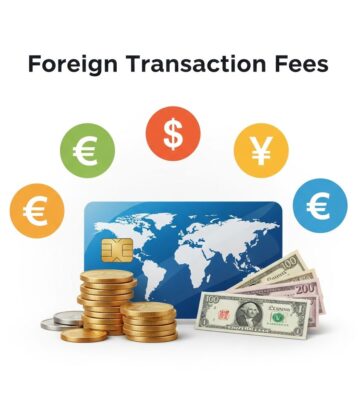
Foreign transaction fees represent a common yet often overlooked expense for credit card users engaging in international purchases. These charges, typically calculated as a percentage of each transaction, can significantly inflate costs during travel or when shopping from overseas merchants. Understanding their mechanics empowers consumers to select cards that waive these fees, preserving more value from rewards and cash back.
Understanding the Basics of Foreign Transaction Charges
At its core, a foreign transaction fee is a surcharge imposed by credit card issuers on purchases involving non-domestic elements. This includes transactions in foreign currencies or those processed via banks outside the United States. Even domestic users can encounter these fees when buying from international online retailers, as the payment may route through foreign financial institutions.
These fees serve to offset the costs of currency conversion and cross-border processing. Card networks like Visa and Mastercard assess an initial portion, often around 1%, while issuers may add their own markup, pushing the total to 3% or more. The result is a compounded expense that applies regardless of the user’s location.
- Fees trigger on foreign currency payments abroad or online.
- Processing through foreign banks flags the transaction, even in U.S. dollars.
- No physical travel required; e-commerce from global sites suffices.
How These Fees Are Structured and Calculated
Credit card companies break foreign transaction fees into two primary components: the network assessment and the issuer’s surcharge. Networks charge a standard 1% on all international dealings to cover conversion services. Issuers then layer on 0% to 2% additionally, though some premium cards absorb both entirely.
Calculation occurs post-currency conversion. For instance, a 100-euro purchase converts to approximately $108 USD at prevailing rates. A 3% fee then adds $3.24 to the bill. This process repeats per transaction, making high-volume spending particularly costly.
| Purchase Amount (Foreign Currency) | USD Equivalent | 3% Fee | Total Cost |
|---|---|---|---|
| €100 | $108 | $3.24 | $111.24 |
| €500 | $540 | $16.20 | $556.20 |
| €1,000 | $1,080 | $32.40 | $1,112.40 |
This table illustrates escalation: a $5,000 trip spend yields $150 in fees at 3%, eroding rewards value since fees rarely qualify for points.
Common Scenarios Triggering These Charges
Travelers face fees at hotels, restaurants, and shops abroad, but risks extend to everyday scenarios. Online purchases from European fashion sites or Asian electronics vendors often incur charges if denominated in local currencies or bank-routed internationally.
Even U.S. dollar transactions aren’t immune. Merchants in dollar-using nations like Ecuador or online platforms routing via foreign acquirers can activate fees. Streaming services or subscriptions from overseas providers may also qualify.
- Vacation dining: Meal in Mexico paid in pesos.
- E-commerce: Buying from a UK retailer in GBP.
- Subscriptions: Foreign-based apps billed monthly.
- Domestic surprises: U.S. sites using foreign processors.
The Real Financial Impact Over Time
Isolated fees seem minor—a $3 add-on per $100 spend—but accumulation transforms them into substantial drains. A two-week European vacation with $3,000 in charges at 3% costs $90 extra. Frequent flyers or digital nomads see annual hits exceeding hundreds.
Compounding occurs as fees exclude from rewards earning. A 2% cash-back card nets 2% on the base but loses 3% to fees, yielding negative returns. Business users deduct them as expenses, yet prevention remains preferable for bottom-line health.
Long-term, habitual payers forfeit thousands. Opting for fee-free alternatives reallocates savings to investments or experiences.
Strategies to Identify and Dodge These Fees
Review your card’s terms under ‘fees’ or ‘rates’ sections—online portals or statements list them explicitly. Post-purchase, scan bills for line items like ‘foreign transaction’ or ‘FX fee’ separate from principals.
Avoidance prioritizes selection: Seek ‘no foreign transaction fees’ in marketing or specs. Many travel rewards cards waive them to attract global users. Compare via issuer sites or tools, focusing on everyday and premium options.
- Check current card agreement digitally.
- Monitor statements for unfamiliar surcharges.
- Switch to no-fee issuers before trips.
- Decline dynamic currency conversion at merchants.
Top Choices for No-Fee Credit Cards
Issuers like Chase, Capital One, and premium American Express lines offer robust no-FX options. Travel-focused cards pair waivers with perks like lounge access or insurance, amplifying value abroad.
| Card Type | Key Benefit | Annual Fee | Best For |
|---|---|---|---|
| Travel Rewards | Points + No FX | $95+ | Frequent trips |
| Cash Back | 2-5% back, No FX | $0 | Daily spenders |
| Business | Deductible perks | Varies | International biz |
Debit cards and prepaid options sometimes carry similar fees; credit remains superior for protections.
Practical Tips for International Spending
At payment terminals, opt for local currency to leverage card network rates over merchant conversions, which embed markups. Notify issuers of travel to prevent fraud flags. Use digital wallets for added security without extra fees.
For online buys, verify merchant location via address or currency. Consolidate spends on no-fee cards. Track via apps integrating statements and budgets.
- Always choose local currency.
- Enable travel notifications.
- Combine with ATM fee-free checking.
Frequently Asked Questions
Do debit cards have foreign transaction fees?
Yes, many do, mirroring credit structures at 1-3%. Check bank policies; some waive for premium accounts.
Can I avoid fees with cash or travelers checks?
Cash evades card fees but lacks purchase protection and is risky. Travelers checks offer security but incur issuance costs.
Are fees charged on ATM withdrawals abroad?
ATM hits combine FX fees, operator surcharges, and issuer costs—often 5% total. Use partner ATMs or fee-free accounts.
How do fees apply to business cards?
Similarly, at 1-3%, but deductible as expenses. No-fee business cards optimize tax strategies.
Will fees appear immediately on statements?
Processing delays mean fees post 1-3 days after conversion, listed separately.
Planning Ahead for Fee-Free Global Finance
Proactive card choice transforms international spending from costly to rewarding. By prioritizing no-FX issuers, users not only sidestep surcharges but unlock enhanced rewards abroad. Regular audits of terms ensure ongoing alignment with habits, safeguarding budgets amid rising global commerce.
References
- What You Should Know About Foreign Transaction Fees — American Express. 2023. https://www.americanexpress.com/en-us/credit-cards/credit-intel/foreign-transaction-fees/
- Foreign Transaction Fees: What to Know and How to Avoid Them — NerdWallet. 2025-01-15. https://www.nerdwallet.com/credit-cards/learn/foreign-transaction-fee
- Foreign Transaction Fee: What is it? How does it work? — LendingTree. 2024-11-20. https://www.lendingtree.com/credit-cards/articles/foreign-transaction-fees/
- Foreign transaction fee: meaning and when it applies to you — Wise. 2024-09-10. https://wise.com/us/blog/foreign-transaction-fee
- Foreign Transaction Fee vs. Currency Conversion Fee — Citi. 2023-05-05. https://www.citi.com/credit-cards/understanding-credit-cards/foreign-transaction-fee-vs-currency-conversion-fee
- A Guide To Foreign Transaction Fees — Bankrate. 2025-02-01. https://www.bankrate.com/credit-cards/travel/a-guide-to-foreign-transaction-fees/
- How to Avoid Foreign Transaction Fees — Chase. 2024-07-12. https://www.chase.com/personal/credit-cards/education/basics/how-to-avoid-foreign-transaction-fees
Similar Articles








Read full bio of Sneha Tete