Travel Scams: Essential Guide To Avoiding Fraud In 2025
Essential strategies to spot and sidestep common travel frauds, keeping your trips safe and your money secure.
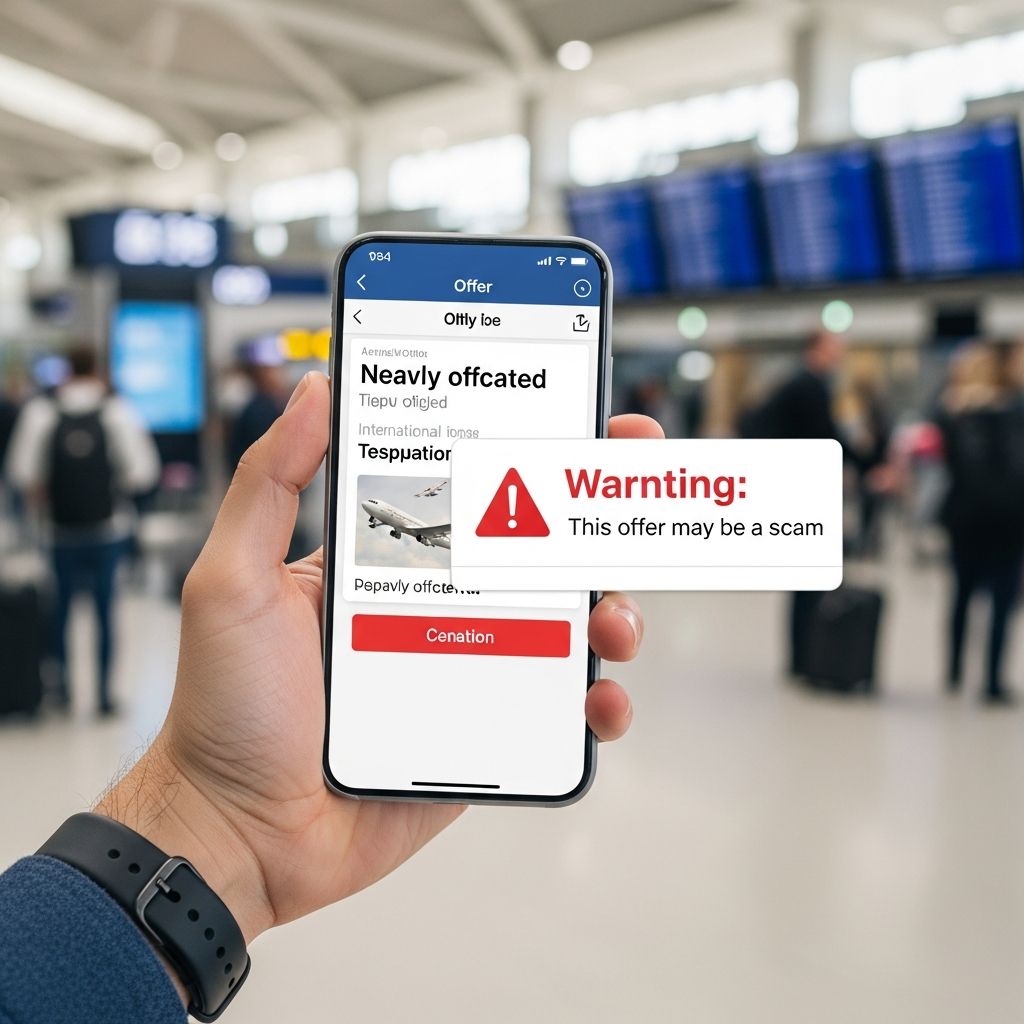
Traveling opens doors to new experiences, but it also exposes you to cunning fraudsters targeting excited vacationers. Scammers exploit the thrill of deals and urgency of bookings to steal money or personal data. This guide equips you with tools to identify risks, verify legitimacy, and safeguard your finances during trip planning and on the road.
Recognizing Warning Signs of Fraudulent Offers
Spotting a scam early can save you from financial loss. Fraudsters rely on psychological tricks like FOMO (fear of missing out) and pressure tactics. Key indicators include offers that promise unrealistically low prices for high-demand destinations or services.
- Overly Attractive Discounts: Prices far below market rates for flights, hotels, or packages signal trouble. Compare with trusted sites to confirm.
- Vague or Missing Information: Legitimate providers detail exact hotels, airlines, dates, and inclusions. Evasiveness is a major red flag.
- Pressure to Act Fast: Urgency like “book now or lose the deal” pushes impulsive decisions without verification.
- Untraceable Payment Demands: Requests for wire transfers, gift cards, crypto, or peer-to-peer apps bypass protections.
Trust your instincts—if something feels off, pause and investigate. Data from consumer protection agencies shows these signs appear in over 80% of reported travel fraud cases.
Popular Scams Targeting Travelers
Understanding specific schemes helps you stay one step ahead. Here’s a breakdown of prevalent threats based on recent reports.
| Scam Type | Description | Common Tactics |
|---|---|---|
| Fake Vacation Rentals | Phony listings on rental sites or social media mimic real properties. | Hijacked photos, urgent availability, off-platform payments. |
| Robocall Vacation Prizes | Unsolicited calls promising free trips after a “win.” | Illegal without consent; demands fees for taxes or processing. |
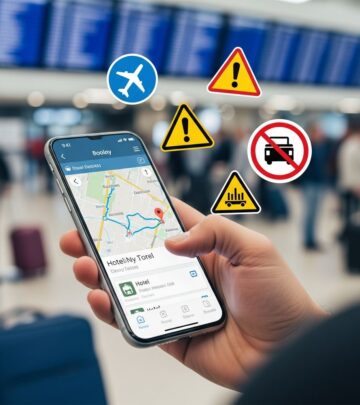
| Smishing Texts | Texts claiming toll fees, parking fines, or urgent bookings. | Links to fake sites stealing data; never from unknowns. |
| Phony Agents or Sites | Fraudulent booking platforms or agents posing as legit. | Stolen card bookings leading to chargebacks. |
These scams evolve quickly, often using AI-generated listings or deepfake communications. In 2025, rental fraud spiked 25% per financial watchdogs.
Secure Booking Practices for Peace of Mind
Booking smartly minimizes risks. Start with reputable platforms like official airline sites, well-known aggregators, or verified agents.
- Research Thoroughly: Search company names, addresses, and reviews on BBB or state consumer sites. Use reverse image search for photos.
- Verify Independently: Call hotels or airlines using numbers from their official sites, not provided links.
- Opt for Credit Cards: They offer chargeback rights and fraud monitoring, unlike debit or alternatives.
- Get Everything in Writing: Confirm terms, refunds, and fees before paying.
For rentals, stick to platforms with buyer protections like Airbnb or VRBO, and never pay outside their systems.
Protecting Yourself While Abroad
Scams don’t end at booking. On-site threats include distraction thefts, fake officials, or rigged taxis.
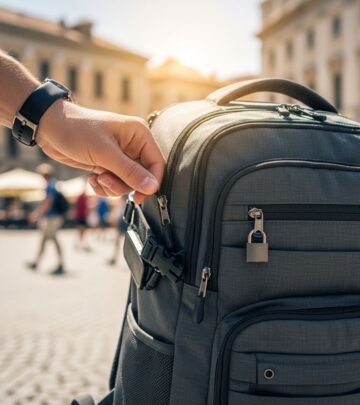
- Guard Valuables: Keep bags secured, avoid picking up stray items, and stay alert in crowds.
- Handle Texts and Calls Wisely: Ignore unsolicited messages; contact services directly via verified channels.
- Use Privacy Settings: Limit real-time social posts to avoid signaling empty homes or locations.
- Set Up Alerts: Enable two-factor authentication and transaction notifications on accounts.
Share a “safe word” with family for emergency verification if scammers impersonate you. U.S. State Department advises never wiring money to unverified contacts abroad.
Digital Vigilance: Emails, Links, and Apps
Cyber threats amplify travel scams. Phishing emails mimic airlines with fake updates, while malicious QR codes lead to malware.
Best defenses:
- Scrutinize URLs for misspellings or odd domains.
- Avoid clicking text links; visit sites manually.
- Use VPNs on public Wi-Fi and official apps for bookings.
Fraudsters impersonate brands on social media—check verified badges and contact info.
Steps to Take if Scammed
Act fast if victimized. Contact your credit card issuer immediately for disputes. Report to FTC at ReportFraud.ftc.gov, local police, and platforms involved. Monitor credit reports for identity theft via AnnualCreditReport.com.
LegalShield notes preserving all records strengthens claims. Recovery rates improve with prompt action—up to 90% for credit card fraud.
Frequently Asked Questions
What if a deal seems perfect but asks for wire transfer?
Decline and walk away. Wires are irreversible; use credit cards only.
Are all cheap rentals scams?
Not all, but verify addresses, photos, and reviews rigorously.
How do I report international scams?
Use your country’s consumer protection site and State Department.
Is paying via app safe?
Peer-to-peer apps lack travel protections; stick to cards.
Can social media posts lead to scams?
Yes, they signal opportunities for burglaries or targeted fraud—post after returning.
Building Long-Term Scam-Resistant Habits
Beyond one trip, cultivate habits like regular credit freezes, app-based monitoring, and educating companions. Join traveler forums for real-time alerts, but verify independently.
Financial institutions emphasize layered defenses: research, secure payments, and skepticism. By prioritizing these, you reclaim control, ensuring adventures remain joyful, not jeopardized.
References
- How to Identify and Avoid the Most Common Travel Scams — Bank of Colorado. 2025. https://www.bankofcolorado.com/articles/2025/travel-scams
- Travel Scam Prevention Tips — Central Bank. N/A. https://www.centralbank.net/learning-center/travel-scam-prevention-tips/
- Travel Tips — State of Michigan. N/A. https://www.michigan.gov/consumerprotection/protect-yourself/consumer-alerts/shopping/travel-tips
- 3 Common Travel Scams — Synovus. N/A. https://www.synovus.com/personal/resource-center/fraud-prevention-and-security-hub/fraud-hub-education-and-prevention/latest-fraud-trends/3-common-travel-scams/
- The 5 Most Common Types of Travel Fraud — Ecommpay. N/A. https://ecommpay.com/blog/the-5-most-common-types-of-travel-fraud-and-how-you-can-fight-them/
- Common Scams to Avoid While Traveling — Harvard Global Support Services. N/A. https://www.globalsupport.harvard.edu/travel/advice/common-scams-to-avoid-while-traveling
- Traveling this Summer? Here’s a Few Tips — Visa Corporate. N/A. https://corporate.visa.com/en/sites/visa-perspectives/security-trust/summer-travel-tips.html
Similar Articles








Read full bio of medha deb