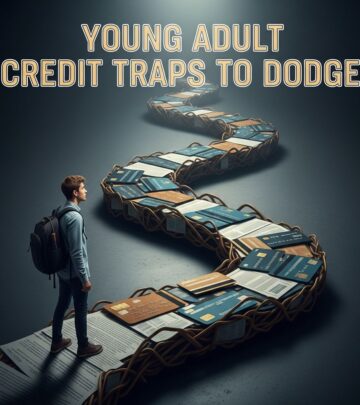
Avoid These Credit Traps
Steer clear of frequent credit errors that can derail your financial future and keep your score strong for years ahead.

Your credit profile serves as a cornerstone of financial stability, influencing everything from loan approvals to rental applications. Yet, many individuals unknowingly engage in habits that undermine their scores. This guide explores prevalent errors and offers actionable steps to sidestep them, drawing from established financial principles to empower better decision-making.
Understanding the Foundations of Credit Health
Before diving into specific pitfalls, it’s vital to grasp what drives your credit score. Payment history accounts for the largest portion, around 35%, making timeliness paramount. Credit utilization follows at about 30%, measuring how much of your available credit you’re using. Length of credit history, new credit, and credit mix round out the factors. Recognizing these helps prioritize actions that yield the most benefit.
Maintaining vigilance over these elements prevents minor slip-ups from escalating into long-term setbacks. For instance, a single oversight can linger on reports for up to seven years, though its weight diminishes with positive behavior.
Payment Delays: The Biggest Score Killer
Consistently paying bills late stands out as the most damaging mistake. Even one delinquency over 30 days can drop scores significantly, with effects persisting for years. Lenders view this as a red flag for reliability.
- Set up automatic payments to eliminate forgetfulness.
- Choose autopay for at least the minimum to cover bases.
- Track due dates via apps or calendars for manual payments.
Proactive reminders ensure compliance, fostering a strong payment record that bolsters future approvals.
Sticking to Minimum Payments Only
Opting solely for minimum payments might seem budget-friendly short-term but accrues hefty interest, ballooning debt. This practice elevates utilization ratios, further harming scores when balances exceed 30% of limits.
| Payment Strategy | Pros | Cons |
|---|---|---|
| Minimum Only | Covers basics | High interest, slow debt reduction |
| Full Balance | No interest, low utilization | Requires more cash flow |
| Avalanche Method | Targets high-interest first | Longer to see progress on small debts |
| Snowball Method | Quick wins on small balances | May pay more interest overall |
Adopting full payments or structured repayment plans like avalanche—focusing on highest rates—or snowball—eliminating smallest debts first—accelerates freedom from cycles of debt.
Overloading Credit Limits
Maxing cards spikes utilization, signaling risk to lenders. Ideal ratios stay under 30%, preferably 10% or less, for optimal scoring.
- Request limit increases without extra spending to dilute ratios.
- Distribute charges across multiple cards.
- Pay mid-cycle to keep reported balances low.
Impulse buys often trigger this; budgeting curbs excess while preserving score integrity.
Multiple Applications in Quick Succession
Each credit application prompts a hard inquiry, dinging scores temporarily. Clustering them, especially for cards, compounds impact unlike rate-shopping for mortgages.
Limit new accounts to needs-based, spacing by six months. Pre-qualify where possible to gauge approvals sans inquiries.
Neglecting Credit Monitoring
Failing to review reports misses errors, fraud, or inaccuracies that drag scores. Free weekly access via AnnualCreditReport.com reveals discrepancies early.
- Dispute inaccuracies promptly with bureaus.
- Monitor for unauthorized activity.
- Track progress post-corrections.
Regular checks, ideally monthly, maintain accuracy and catch issues before they escalate.
Closing Unused Accounts Prematurely
Shutting cards shortens history and concentrates utilization elsewhere. Keep them open, using occasionally for small purchases paid promptly.
Exceptions apply to high-fee accounts; weigh costs against benefits.
Seeking Credit Without Purpose
Unneeded loans or cards add inquiries, debt, and complexity. Reserve applications for essentials like homes or education, comparing terms rigorously.
Avoid retail cards with steep rates; prioritize versatile, low-fee options.
Over-Reliance on Few Accounts
Lacking diversity limits mix factor. Aim for 2-3 cards plus installment loans if applicable, avoiding excess.
Strategies for Long-Term Credit Success
Beyond avoidance, proactive steps build resilience:
- Build history early with secured cards if thin file.
- Diversify responsibly.
- Pay proactively.
- Monitor consistently.
These habits compound positively, opening doors to favorable rates and terms.
Frequently Asked Questions
How long do late payments affect my score?
Up to seven years, but impact fades with on-time payments.
What’s a good utilization ratio?
Under 30%, ideally below 10%.
Can I remove inquiries?
They drop off after two years; scores recover sooner.
Should I close old accounts?
Usually no, to preserve history and limits.
How to build credit from scratch?
Secured cards, authorized user status, or credit-builder loans.
Key Takeaways Table
| Mistake | Impact | Solution |
|---|---|---|
| Late Payments | 35% score factor | Autopay |
| Min Payments | High interest/utilization | Full pay/strategies |
| Maxing Cards | 30% utilization hit | Keep under 30% |
| Many Apps | Multiple inquiries | Space applications |
| No Monitoring | Misses errors | Weekly checks |
References
- 8 Common Credit Mistakes and How to Avoid Them — Experian. 2023-05-15. https://www.experian.com/blogs/ask-experian/common-credit-mistakes-to-avoid/
- Credit mistakes that could be costing you money — Consumer Financial Protection Bureau. 2022-11-10. https://www.consumerfinance.gov/about-us/blog/credit-mistakes-could-be-costing-you-money/
- Top 7 Credit Mistakes to Avoid — Camino Federal Credit Union. 2024-02-20. https://www.caminofcu.org/top-credit-mistakes/
- Understanding FICO Score Factors — myFICO (official FICO site). 2025-01-01. https://www.myfico.com/credit-education/whats-in-your-credit-score
Similar Articles








Read full bio of medha deb