Avoid International ATM Fees Effectively
Discover proven strategies to eliminate hidden ATM charges abroad and keep more of your travel budget intact.
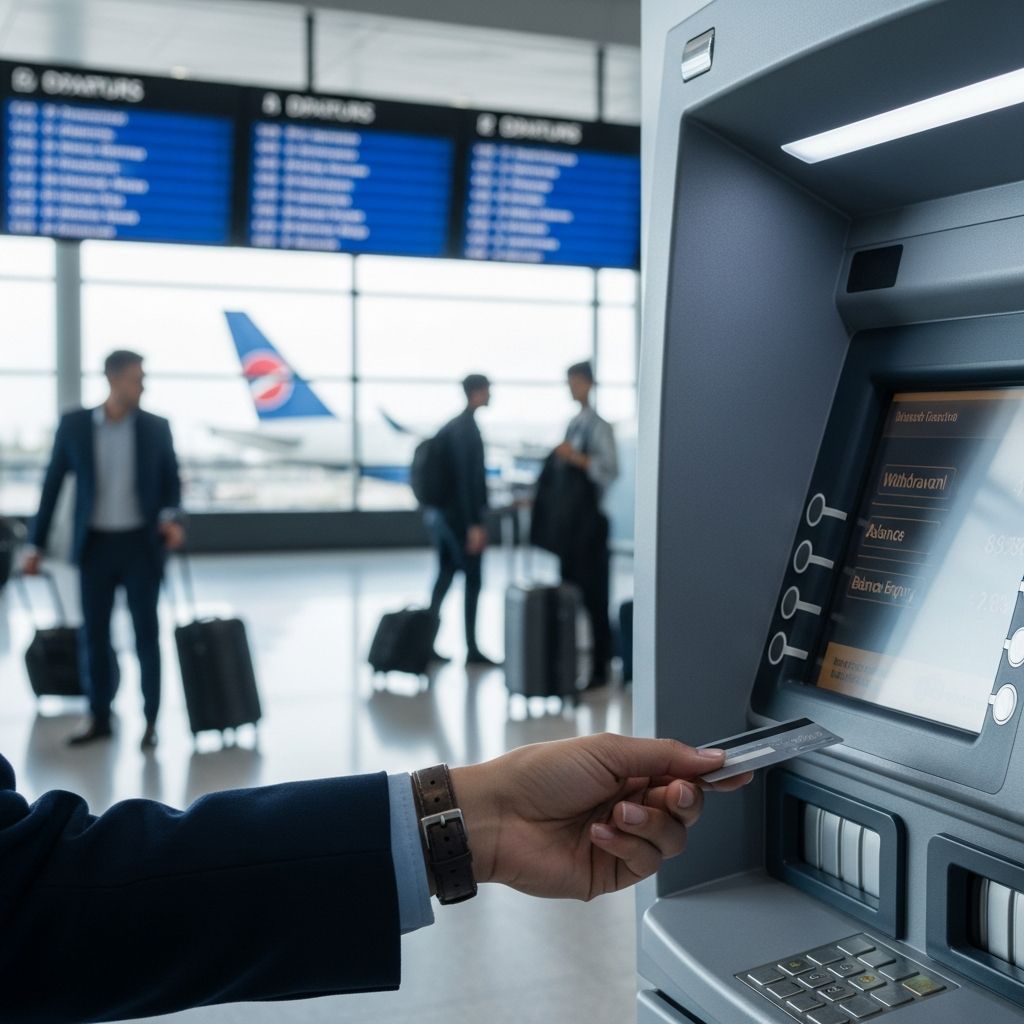
Traveling overseas often comes with unexpected costs, especially when accessing cash through ATMs. These machines, while convenient, frequently impose multiple layers of charges that can quickly erode your travel funds. Understanding the types of fees involved and adopting proactive strategies allows you to minimize or completely eliminate them, ensuring your money goes toward experiences rather than penalties.
Understanding the Layers of ATM Charges Abroad
International ATM transactions typically trigger several fees, each adding to the overall expense. First, your home bank may apply a
foreign transaction fee
, usually 1% to 3% of the withdrawal amount, covering any currency conversion needed. Second, out-of-network fees from your bank can range from $2 to $5 per use if the ATM isn’t affiliated with your institution. Third, the local ATM operator often adds its own surcharge, which can escalate to $5-$20 in tourist hotspots. Finally, dynamic currency conversion (DCC) offers to bill in your home currency but at inflated rates, sometimes up to 13% markup.Average out-of-network fees have reached $4.77 per transaction, making frequent withdrawals particularly costly. For instance, withdrawing $1,000 equivalent over five transactions could incur $15-$25 in bank fees alone, plus operator charges and exchange markups totaling over $100 in losses. Recognizing these empowers travelers to plan accordingly.
Selecting Banks and Accounts That Waive Overseas Fees
Opting for a bank tailored for global travel is one of the most reliable ways to sidestep charges. Certain institutions reimburse out-of-network ATM fees or charge none at all. Consider these options:
| Bank/Account | Out-of-Network ATM Fee | Reimbursement | Foreign Transaction Fee |
|---|---|---|---|
| Alliant Credit Union Checking | None | Up to $20/month | 1% |
| Ally Bank | None | Up to $10/statement cycle (domestic focus) | Up to 1% |
These accounts often extend reimbursements internationally, unlike domestic-only policies. Before switching, verify current terms, as policies evolve. Banks like HSBC or Citibank maintain global ATM networks, allowing fee-free access at their overseas branches.
Leveraging Global ATM Partnerships for Free Access
Many major U.S. banks partner with international networks to provide surcharge-free withdrawals. For example, Bank of America collaborates with global operators, enabling reduced or zero fees at participating machines abroad. Use your bank’s app or website locator to find partner ATMs before departure—search by destination country for precise locations.
Prioritize bank-branded ATMs over independent ones, as they tend to forgo operator surcharges and offer heightened security through surveillance. Apps like ATM Hunter or your bank’s tool can pinpoint these, saving time and money upon arrival.
Opting for Credit Cards Over Cash Withdrawals
A superior alternative to ATMs is using
travel credit cards
without foreign transaction fees for direct purchases. These cards eliminate conversion charges on everyday spending, from hotels to meals, and often include rewards like points or miles. Avoid using credit cards for cash advances, however, as they trigger immediate fees and interest.- Pay merchants directly to bypass ATM needs entirely.
- Earn travel perks that offset other costs.
- Reduce cash handling risks like theft or loss.
Popular no-fee travel cards provide additional protections such as purchase insurance, making them ideal for extended trips.
Mastering Currency Selection at ATMs
When an ATM prompts for currency choice, always select the
local currency
over your home one. Choosing home currency activates DCC, where the operator applies a disadvantaged rate. Your bank’s conversion, though not perfect, is typically fairer and avoids the extra 3-7% markup.Notify your bank pre-travel to enable international transactions and raise daily limits, preventing declines that force multiple attempts and fees.
Strategies to Minimize Withdrawal Frequency
Larger, infrequent withdrawals cut down on per-transaction fees. If safe, withdraw maximum limits (often $200-$500 daily) and secure excess cash in hotel safes or money belts. This approach halves costs for multi-week trips.
Combine with retailer cash-back options: Many supermarkets and stores offer fee-free cash returns on debit purchases, similar to U.S. grocery checkouts. Confirm local currency billing to dodge extra charges. Not universal, but common in Europe and parts of Asia.
Pre-Trip Preparation: Exchanging Currency Smartly
Exchange some cash before leaving via reputable services to cover initial needs like taxis or tips, avoiding airport ATMs with premium rates. Services like Currency Exchange International (CXI) charge flat fees—e.g., $10 for €1,000—versus repeated ATM hits totaling far more.
| Method | Pros | Cons |
|---|---|---|
| Pre-Exchange at CXI | Cash on arrival; one low fee; no markups | Requires planning; carry risk |
| ATM Withdrawals | Convenient; fresh bills | Multiple fees; daily limits |
Limit pre-exchanged amounts to 1-2 weeks’ spending, supplementing with cards or partner ATMs.
Digital Wallets and Alternative Payment Tools
Embrace contactless payments via Apple Pay, Google Pay, or linked no-fee debit cards. These mirror credit card benefits without physical swipes, reducing cash reliance. In regions with widespread NFC acceptance, like Western Europe, this nearly eliminates ATM use.
Prepaid travel cards exist but scrutinize for hidden load fees; no-fee bank debit remains preferable.
Security Best Practices for Overseas ATMs
Beyond fees, prioritize safety. Use ATMs in well-lit bank lobbies during daylight, shield PIN entry, and inspect machines for skimmers. Carry multiple cards from different banks as backups, storing copies of details separately. Decline if suspicious—better safe than compromised.
Frequently Asked Questions (FAQs)
What is the average international ATM fee?
Combined fees average $4.77 per out-of-network withdrawal, plus 1-3% foreign transaction charges.
Should I notify my bank before traveling abroad?
Yes, to activate international features, adjust limits, and prevent fraud flags.
Are all credit cards fee-free abroad?
No—check for 0% foreign transaction fees; many standard cards charge 2-3%.
Can I avoid fees entirely?
Often yes, via partner ATMs, reimbursing banks, or card payments.
What if DCC is the only option?
Decline and cancel if possible; seek another ATM.
Planning Your Fee-Free Travel Budget
Budget by estimating daily cash needs and mapping ATM locations en route. Track spending via apps to stay under limits. For a two-week Europe trip needing $1,500 cash, two $750 partner ATM pulls cost nothing versus $60+ via independents.
Combine methods: 50% cards, 30% pre-exchanged, 20% partner ATMs. Review statements post-trip for unexpected charges and adjust future plans.
By choosing wisely, international banking becomes an asset, not a drain. Informed travelers preserve budgets, enhancing every journey.
References
- 7 Ways to Avoid International ATM Fees — NerdWallet. 2023-10-15. https://www.nerdwallet.com/travel/learn/international-atm-fees
- How to Avoid Paying Foreign ATM Fees While Traveling Abroad — CEI Foreign Exchange. 2024-05-20. https://www.ceifx.com/news/how-to-avoid-paying-foreign-atm-fees-while-traveling-abroad
- How To Avoid ATM Fees — Bankrate. 2025-01-10. https://www.bankrate.com/banking/how-to-avoid-atm-fees/
- Traveling Abroad: Payment Methods & Foreign Transaction Fees — Bank of America Better Money Habits. 2024-08-05. https://bettermoneyhabits.bankofamerica.com/en/saving-budgeting/how-to-pay-when-traveling-abroad
- How to Help Avoid ATM Fees — Huntington Bank. 2024-03-12. https://www.huntington.com/learn/checking-basics/how-to-avoid-atm-fees
- ATM Tips: Using Cash Machines in Europe — Rick Steves. 2024-11-01. https://www.ricksteves.com/travel-tips/money/cash-machine-atm-tips
Similar Articles




Read full bio of medha deb