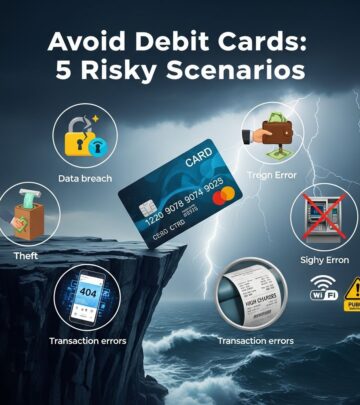
Avoid Debit Cards: Risky Spending Spots
Discover the top locations where debit cards pose serious risks to your finances and learn smarter payment alternatives for protection.
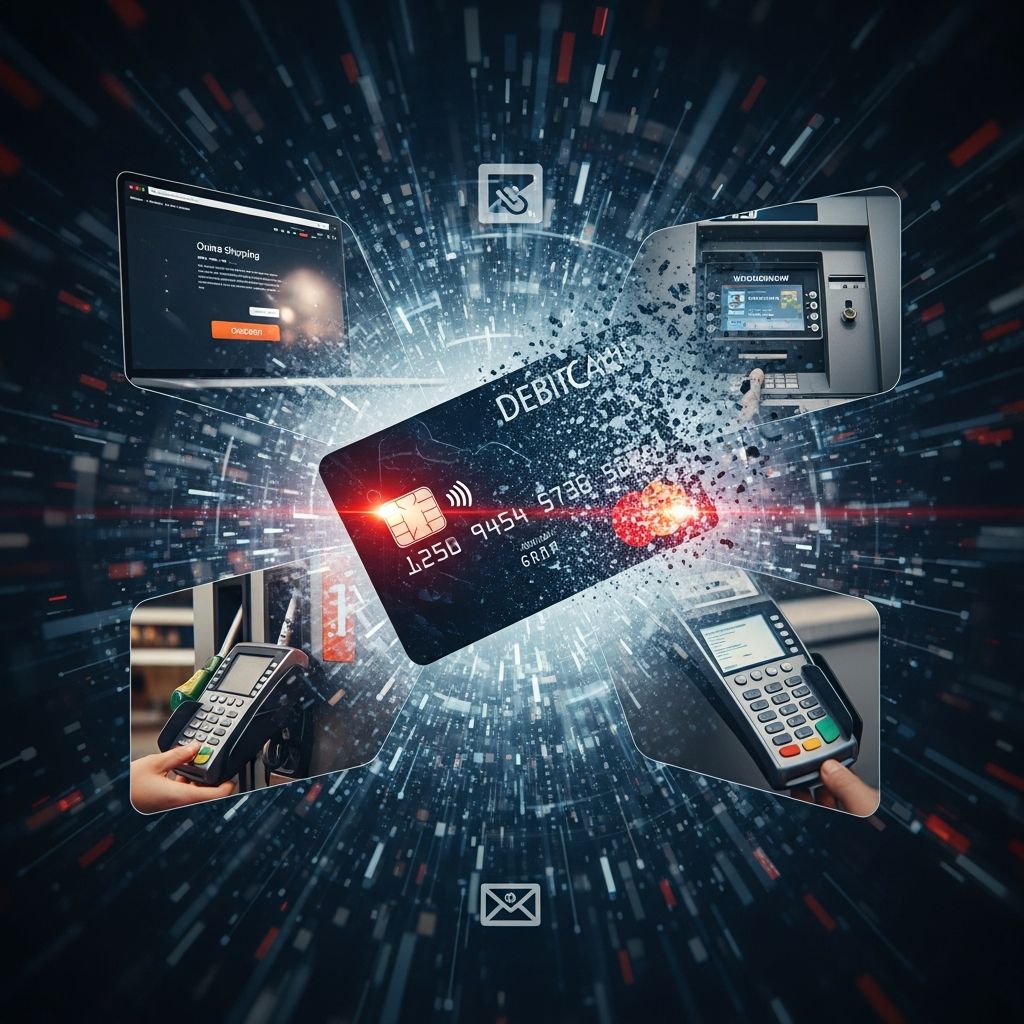
Debit cards provide convenient access to your bank funds, but they come with significant vulnerabilities, especially in certain everyday scenarios. Unlike credit cards, which use borrowed funds and offer robust fraud protections, debit transactions directly withdraw from your account, leaving you exposed if issues arise. This article examines key situations where reaching for a debit card can lead to financial headaches and outlines why alternatives like credit cards are often superior choices.
Understanding Debit vs. Credit: Core Differences
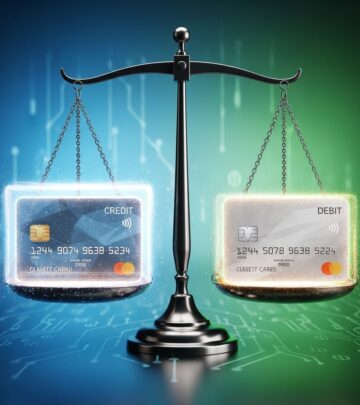
Debit cards link straight to your checking account, ensuring you spend only what you have, which aids budgeting but limits flexibility. Credit cards, by contrast, let you borrow up to a limit, repay later, and build credit history with responsible use. Key advantages of credit include rewards programs and stronger dispute resolution, while debit cards risk immediate fund depletion from theft or errors.
| Feature | Debit Card | Credit Card |
|---|---|---|
| Spending Source | Your bank balance | Issuer’s funds |
| Fraud Impact | Drains your account | Issuer absorbs initially |
| Credit Building | No impact | Positive if managed well |
| Rewards | Rare and minimal | Cash back, points common |
| Interest | None (but overdraft fees) | High if not paid in full |
This table highlights why credit often edges out debit for protection and perks, per financial analyses.
High-Risk Scenario 1: Unsecured Gas Pumps
Gas stations, particularly those with outdoor pumps, represent a prime vulnerability for debit users. Skimming devices—small gadgets installed by thieves to capture card data—are rampant here due to easy access and minimal oversight. If a fraudster clones your debit card info, they can empty your account before you notice, as funds vanish instantly without the buffer credit provides.
Opt for credit cards at pumps; their zero-liability policies mean you’re not out money during investigations. Many stations now offer chip readers or contactless options, further reducing risks with credit. Indoor payment at the attendant is another safe bet, avoiding pumps altogether. Statistics show fuel stations as top skimming hotspots, emphasizing the need for caution.
- Check pumps for tampering: Look for loose card readers or unusual overlays.
- Use apps for mobile payments like Apple Pay for tokenized security.
- Monitor accounts daily via banking apps to catch issues fast.
High-Risk Scenario 2: Hotel Check-Ins and Stays
Hotels often place holds on your card for incidentals, room service, or damages—amounts far exceeding your actual bill. With a debit card, this ties up your real money, potentially causing bounced checks or overdrafts elsewhere. Credit cards place holds on available credit, not your cash, freeing up your funds quickly upon checkout.
Moreover, hotel front desks handle high volumes of cards, increasing lost or stolen data risks. Credit issuers provide purchase protections like extended warranties, absent in debit. Travelers report frequent hold disputes with debit, leading to temporary cash shortages. Switch to credit for seamless stays and added travel insurance perks many cards offer.
- Inform hotel staff upfront if using debit, but prefer credit.
- Verify hold release post-checkout; it can take days with debit.
- Carry a backup card to avoid stranding without funds.
High-Risk Scenario 3: E-Commerce Purchases
Online shopping exposes debit details to breaches, with hackers targeting retailers for mass data theft. Unlike credit, where fraudulent charges don’t touch your money, debit fraud means your savings are at immediate risk until resolved—often weeks later. Recovery is slower because banks prioritize their funds over yours.
Credit cards shine here with superior encryption standards and buyer protections, including chargebacks for non-delivered goods. Rewards amplify savings on big buys. Use virtual card numbers from issuers for extra layers. E-commerce fraud reports underscore de bits’ weaknesses in digital spaces.
- Shop only on HTTPS sites with trusted seals.
- Enable transaction alerts for real-time notifications.
- Avoid public Wi-Fi for payments; use VPNs if needed.
Additional Pitfalls: ATMs and Rentals
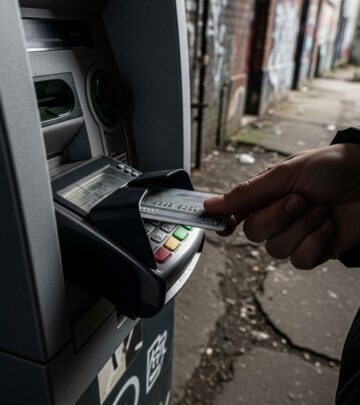
Beyond the top three, ATMs—especially out-of-network ones—charge fees and skimming risks, draining debit accounts further. Car rentals demand large holds, mirroring hotel issues, best handled by credit’s available line. Restaurants with handheld swipers also pose skimming threats; pay with credit or cash.
Building Better Habits: Credit Card Best Practices
To leverage credit safely, pay balances monthly to dodge interest, starting with 0% intro offers. Choose cards matching spending—like travel rewards for frequent flyers. Track via apps to mimic de bits’ budgeting without risks. This approach builds credit for loans while earning perks.
| Spending Category | Best Card Type | Why? |
|---|---|---|
| Groceries | Credit | Cash back rewards |
| Gas | Credit | Skim protection |
| Online | Credit | Fraud reversal |
| Daily Small Buys | Debit OK | Budget control |
Protecting Yourself from Fraud
Freeze your debit card via app if lost; notify bank immediately. Enable two-factor authentication everywhere. Regularly review statements—dispute errors promptly. Credit’s federal protections cap liability at $50, often $0, versus de bits’ longer resolution.
FAQs
Can debit cards ever be safer than credit?
Yes, for strict budgeting, as they prevent debt—but only in low-risk, small transactions.
What if I have no credit history?
Secured credit cards build score safely using your deposit.
How long to resolve debit fraud?
Up to 45 days provisionally, longer fully; credit is faster.
Do all credit cards have rewards?
No, but most do; compare for your needs.
Should I cut up my debit card?
Not entirely—keep for ATMs, use credit primarily.
Long-Term Financial Strategy
Integrate both cards wisely: debit for cash needs, credit everywhere else. Aim for 30% credit utilization max. This balances control with growth. Over time, strong credit unlocks better rates on mortgages, autos—worth the discipline. Consult non-profits for debt help if needed.
In summary, sidestep debit in fraud-prone spots for peace of mind. Embrace credit’s safeguards to protect and grow wealth.
References
- When to Use a Credit Card vs. Debit Card — SumUp. 2023. https://www.sumup.com/en-us/business-guide/credit-card-vs-debit-card/
- Debit Card vs. Credit Card: Which One is Better? — Space Coast Credit Union. 2024. https://www.sccu.com/articles/personal-finance/debit-card-vs-credit-card-which-is-better
- Credit Card vs. Debit Card: How Are They Different? — Experian. 2024. https://www.experian.com/blogs/ask-experian/debit-card-vs-credit-card-how-are-they-different/
- 5 Pros and Cons of Debit Cards vs. Credit Cards — Dexsta. 2023. https://www.dexsta.com/pros-and-cons-of-debit-cards-vs-credit-cards/
- When to Use Your Credit vs Debit Card — Citizens Bank. 2024. https://www.citizensbank.com/learning/when-to-use-cash-credit-debit.aspx
- Pros & Cons of Debit Cards: What You Should Know — PNC Insights. 2024. https://www.pnc.com/insights/personal-finance/spend/pros-cons-of-debit-cards.html
Similar Articles








Read full bio of Sneha Tete