Average Wedding Cost: Smart Budget Guide
Understand the real average wedding cost, see where the money goes, and learn how to plan a celebration that fits your financial goals.
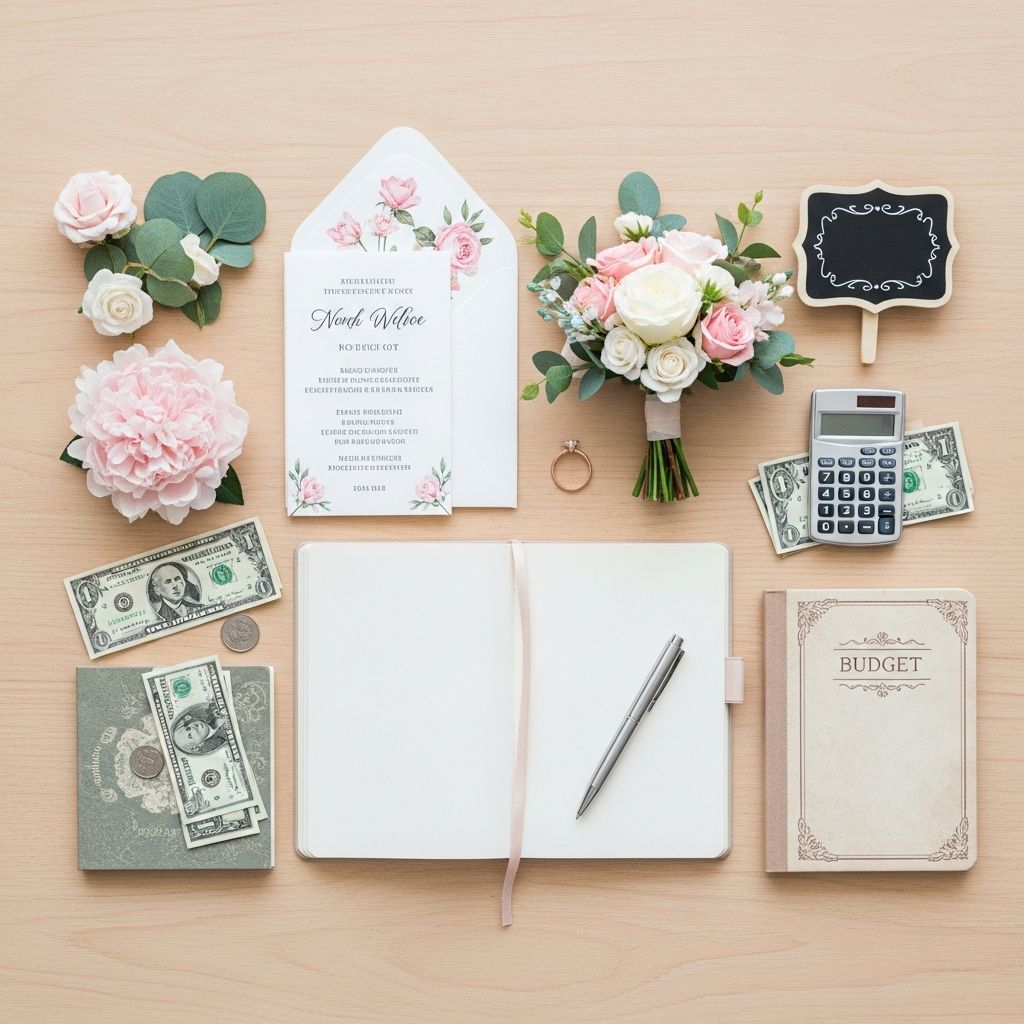
Weddings are often described as a couple’s “best day ever,” but that magical moment can come with a serious price tag. Recent wedding industry reports indicate that the average wedding cost in the U.S. is around $30,000–$33,000, although individual budgets vary widely based on location, guest count, and personal preferences.
Understanding where this money typically goes, which costs drive the average up, and how to prioritize can help you design a celebration that reflects your values and protects your long-term financial goals.
Average Wedding Cost: What You Need to Know
Different surveys report slightly different national averages because they use distinct methodologies and samples. However, they all agree on one thing: weddings are a major financial commitment.
- The Knot’s Real Weddings Study reports an average U.S. wedding cost of about $33,000.
- Other financial and advisory firms place the average in a similar range, often around $30,000–$33,000, showing that costs have climbed in recent years.
- These averages typically exclude the engagement ring and honeymoon, which can add thousands more.
Importantly, an average is not a recommendation. Some couples spend under $5,000 with a small ceremony, while others exceed $100,000 for a luxury or destination wedding.
Wedding Budget Breakdown by Percentage
Instead of starting with line-by-line prices, many planners recommend dividing your wedding budget into percentage categories. This approach helps you see the big picture and adjust based on your priorities.
Below is a common sample breakdown for a traditional wedding:
| Category | Typical Budget % | What It Usually Includes |
|---|---|---|
| Venue & Catering | 30%–40% | Ceremony and reception site, food, beverages, service fees |
| Photography & Videography | 10%–15% | Professional photographer, videographer, photo albums, editing |
| Attire & Beauty | 6%–10% | Wedding dress, suit or tux, alterations, hair and makeup, accessories |
| Flowers & Décor | 5%–10% | Bouquets, boutonnieres, ceremony décor, centerpieces, lighting |
| Music & Entertainment | 5%–10% | DJ or band, ceremony musicians, sound equipment |
| Stationery | 2%–5% | Save-the-dates, invitations, programs, menus, postage |
| Rings & Officiant | 3%–5% | Wedding bands, engraving, officiant fee or donation |
| Transportation | 2%–3% | Wedding party transportation, getaway car, guest shuttles |
| Planner & Miscellaneous | 5%–10% | Wedding planner, tips, permits, décor extras, unexpected costs |
These percentages are guidelines, not rules. If photos are your top priority, you might shift more money toward photography and cut back on flowers, for example.
Most Common Wedding Expenses (With Sample Price Tags)
To make those percentages more concrete, here are sample ballpark prices often cited in wedding budgeting discussions. Actual costs vary by location, quality of vendor, and guest count, but these figures can help you start planning.
- Venue: Many couples spend over $10,000–$12,000 on their ceremony and reception spaces combined, making this the largest single expense.
- Catering: A per-person cost of around $75 or more is common for a full meal at a traditional reception, so your total depends heavily on guest count.
- Wedding cake: Expect ~$300–$500, with prices increasing for intricate designs or specialty bakers.
- Wedding dress: A typical range can be around $1,500–$2,000, though off-the-rack, consignment, or rentals can be far less.
- Groom’s attire: A suit or tux can range from a few hundred dollars to more than $1,000, depending on whether you rent or buy.
- Photographer: Professional packages are often around $2,000–$3,000, with experienced photographers charging more.
- Videographer: Frequently in the $1,800–$2,500 range, depending on coverage time and editing.
- Wedding planner: Full-service planners can cost several thousand dollars; partial planning or day-of coordination is typically less, often around or under $2,000, but varies widely.
Because these numbers are averages, you can often save substantially by choosing simpler options, a lower-cost location, fewer guests, or shorter vendor coverage.
How Location Affects Wedding Cost
One of the biggest factors behind the average wedding cost is where you get married. High-cost-of-living areas, especially major metropolitan and coastal regions, consistently report higher wedding budgets.
Industry surveys show that weddings in some Northeastern states and large cities often exceed the national average by a wide margin, while weddings in more rural or lower-cost states can fall well below it.
- Higher-cost locations (for example, parts of the Northeast and large urban centers) often have higher venue fees, catering minimums, and vendor rates.
- Lower-cost locations (many Midwestern, Southern, and Mountain West areas) may offer more budget-friendly venues and service providers.
Even within the same state, a city-center ballroom will typically cost more than a community hall or a backyard celebration. If you are flexible on location and date, you can often save significantly.
Other Key Factors That Drive Wedding Cost
Beyond location, several variables have an outsized influence on your final bill.
Guest Count
Guest count is one of the biggest cost drivers because many major expenses are priced per person: food, drinks, rentals, and often cake and favors.
- Reducing the guest list by even 20–30 people can free up thousands of dollars.
- Smaller weddings can allow for higher-end food, décor, or photography within the same overall budget.
Type and Style of Wedding
The overall style you choose also affects cost:
- Informal or intimate weddings (backyard, brunch, weekday events) are usually cheaper than Saturday evening ballroom receptions.
- Destination weddings may have a smaller guest list but higher travel and lodging costs for the couple and sometimes for guests.
- Luxury weddings with custom décor, designer attire, and multiple events can exceed standard averages by a wide margin.
Time of Year and Day of Week
Peak wedding season dates (often late spring through early fall, especially Saturdays) are in high demand and therefore more expensive. Off-season or weekday events can come with discounted venue and vendor rates.
DIY vs. Professional Services
Doing some elements yourself—like simple décor, stationery, or favors—can reduce costs, but it also takes time and effort. Couples often choose professional vendors for high-stakes items like photography, catering, and coordination to reduce stress and ensure quality.
How to Decide What You Can Afford
Before booking anything, it is essential to understand your own budget. Financial professionals often recommend starting with your broader money goals—like building an emergency fund, paying off debt, or saving for a home—and then deciding what you can reasonably allocate to the wedding without jeopardizing those priorities.
Here are a few steps to help you set a realistic number:
- Assess your savings: How much do you already have set aside that you are comfortable using for the wedding?
- Estimate future savings: Calculate how much you and your partner can save each month before the wedding date.
- Discuss family contributions: If parents or relatives offer help, clarify amounts and timing early to avoid misunderstandings.
- Protect your long-term goals: Avoid raiding retirement accounts or taking on high-interest debt for one day of celebration.
Saving for Your Wedding Intentionally
Once you know your target budget—whether that is $5,000, $15,000, or $30,000—the next step is creating a savings plan.
- Open a dedicated savings account: Keeping wedding funds separate from your everyday money makes it easier to track progress and resist overspending.
- Automate transfers: Set a monthly or bi-weekly automatic transfer into your wedding account so saving happens consistently.
- Set mini-goals: Break your savings into milestones (for example, first $1,000 for deposits) to stay motivated.
- Track deposits and payments: A simple spreadsheet or budgeting app can help you stay on top of due dates and balances.
Try to avoid financing substantial portions of your wedding with credit cards, as interest charges can linger long after the big day. Instead, treat the wedding as one of several financial goals that you and your partner manage together.
Tips to Cut Costs and Still Love Your Wedding
You can have a beautiful, meaningful wedding at many price points. The key is to decide what matters most to you and trim the rest.
Clarify Your Top Priorities
Start by listing the three areas that matter most (for example, photography, food, live music). Spend more there and be willing to cut elsewhere.
- If photos matter, invest in a great photographer and simplify décor.
- If you care about having all your loved ones present, keep décor simple and focus on a guest-friendly venue and menu.
Practical Ways to Save
- Trim the guest list: The most effective way to lower catering and venue costs.
- Choose an off-peak date: Consider a Friday, Sunday, or off-season month.
- Simplify décor and flowers: Reuse arrangements between ceremony and reception, choose in-season flowers, or opt for greenery.
- Rethink formality: A cocktail-style reception or brunch can be less expensive than a full plated dinner.
- Borrow, rent, or buy pre-owned: Attire, décor, and even some accessories can be sourced secondhand.
- Limit extras: Photo booths, elaborate favors, and late-night snacks are nice but optional.
Working as a Team With Your Partner
Planning a wedding is not only about logistics; it is an introduction to how you and your partner will handle money together. Research on financial planning and relationships consistently shows that open communication about money is linked to greater long-term satisfaction and stability.
To stay on the same page:
- Have a budget meeting: Decide together how much you are willing to spend and what your non-negotiables are.
- Assign roles: One person might track invoices while the other manages vendor communication.
- Check in regularly: Short monthly or bi-weekly check-ins help prevent surprises and keep spending aligned with the plan.
- Practice compromise: You may not agree on every detail, but the process can strengthen your financial teamwork.
Is the Average Wedding Cost Right for You?
Seeing a national average near $30,000–$33,000 can be intimidating. But your wedding does not have to match that figure. What matters most is that your celebration reflects your values, honors your relationships, and keeps you on track with your larger financial life.
Focus on the parts of the day that truly matter to you and your partner, be honest about your financial limits, and allow yourselves to skip traditions or extras that do not feel meaningful. A wedding is one important milestone—but it is only one of many goals you will pursue together.
Frequently Asked Questions (FAQs)
Q: What is a reasonable budget for a wedding?
A: A reasonable wedding budget is one that fits your income, savings, and other financial goals without causing long-term strain. For some couples, that may be $5,000 with a small guest list; for others, it might be $20,000 or $30,000 for a more traditional event. The key is that you can fund it with savings and planned contributions rather than high-interest debt.
Q: Is $5,000 enough for a wedding?
A: Yes, $5,000 can be enough, especially if you keep the guest list small, choose a free or low-cost venue (like a backyard or public space with a permit), and focus on a few key elements instead of every traditional expense. Many couples in this range prioritize an intimate ceremony, simple décor, and limited professional vendors.
Q: Is $10,000 a good amount for a wedding?
A: A budget around $10,000 can support a modest but lovely wedding, often with 50 or fewer guests, a simple venue, and a limited vendor team. You may need to be selective about extras but can usually afford professional photography and basic catering if you manage the guest count carefully.
Q: How do you budget for a $30,000 wedding?
A: For a $30,000 wedding, start by allocating percentages to major categories—for example, 35% for venue and catering, 12% for photography and video, 8% for attire, 8% for flowers and décor, and the remainder for music, stationery, rings, transportation, and a contingency fund. Then price out actual vendors and adjust allocations as needed to stay within your total.
Q: What should be included in a wedding budget spreadsheet?
A: A helpful wedding budget spreadsheet includes your total budget, target amount for each category, actual quotes and payments, due dates, deposits paid, and remaining balances. It should cover venue, catering, attire, photography, videography, flowers, décor, music, rings, stationery, transportation, planner, tips, and a small buffer for surprise costs.
References
- Wedding Budget Breakdown, Based on Real Couples’ Data — The Knot. 2025-01-08. https://www.theknot.com/content/wedding-budget-ways-to-save-money
- Are You Prepared for the Financial Commitment of a Wedding? — Mercer Advisors. 2024-06-10. https://www.merceradvisors.com/insights/personal-finance/are-you-prepared-for-the-financial-commitment-of-a-wedding/
- A Wedding Budget Breakdown + Tips To Plan Your Dream Wedding — Clever Girl Finance. 2023-09-18. https://www.clevergirlfinance.com/wedding-budget-breakdown/
- Wedding Season Survival Guide: Budget Tips for Couples, Guests & Parents — Comerica Bank Insights. 2023-05-02. https://www.comerica.com/insights/personal/assorted-finance/wedding-season-survival-guide.html
- How Much Does The Average Wedding Cost? — Clever Girl Finance. 2023-08-10. https://www.clevergirlfinance.com/average-wedding-cost/
Similar Articles








Read full bio of Sneha Tete