Average Savings Interest Rates: Current Rates & Trends
Explore current average savings account interest rates and maximize your earnings today.

Savings account interest rates play a crucial role in determining how much your money can grow over time. Whether you’re building an emergency fund or saving for a major purchase, understanding current interest rates and how they compare is essential to making informed financial decisions. This comprehensive guide explores average savings account interest rates, current market conditions, and strategies to maximize your savings potential.
Understanding Current Average Savings Interest Rates
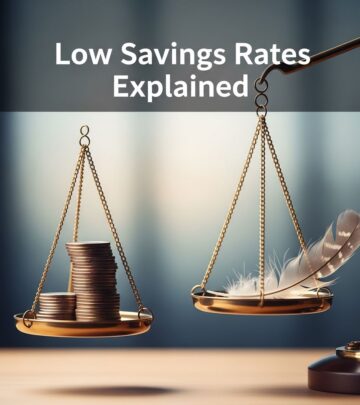
The landscape of savings account interest rates has undergone significant changes in recent years. As of November 2025, the national average savings account rate stands at just 0.62% APY, which represents a stark contrast to the rates available through high-yield savings accounts and other competitive options. This disparity highlights the importance of shopping around for better rates rather than settling for whatever your current bank offers.
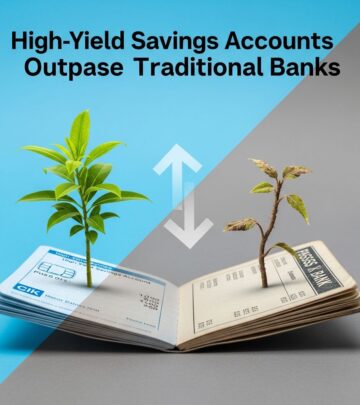
Today’s best high-yield savings accounts are earning annual percentage yields (APYs) of around 4.25 percent, with some accounts still offering rates near 5 percent. This represents a dramatic difference from traditional savings accounts offered at major brick-and-mortar banks, which typically earn just 0.01% to 0.10% APY. For savers, this difference can translate into thousands of dollars in additional earnings over time.
The Impact of Federal Reserve Policy on Savings Rates
Savings account rates are loosely linked to the rates set by the Federal Reserve. The Federal Reserve adjusts the federal funds rate based on broader economic conditions such as inflation, employment levels, and overall economic growth. This rate represents what banks charge each other for overnight loans to meet reserve requirements.
Banks use the federal funds rate as a benchmark for various financial products, including both loans and deposit accounts. Changes in this rate affect banks’ cost of borrowing and, consequently, their overall funding costs. The current federal funds rate remains at 4.25%-4.50%, which has helped keep high-yield savings rates elevated for savers.
When the Federal Reserve raises its key interest rate, financial institutions tend to pay more interest on high-yield savings accounts to stay competitive and attract deposits. Conversely, after the Fed lowers its rate, banks tend to lower their deposit account rates. The Fed held rates steady for much of 2025 before lowering them in September, which has gradually impacted savings account yields.
How Savings Account Rates Compare to Inflation
One of the most important considerations for savers is whether their earnings outpace inflation. Current inflation sits at 2.9 percent annually, meaning that top savings rates are beating inflation by over 1.5 percentage points. This is a significant advantage for savers, as it means your purchasing power actually grows over time when you earn rates that outpace inflation.
The key metric for savers isn’t necessarily the absolute highest yield on a savings account, but whether that yield exceeds inflation. Right now, the best savings accounts still offer a healthy inflation-adjusted return, which means your money is worth more in the future.
High-Yield Savings Accounts vs. Traditional Savings Accounts
The difference between high-yield savings accounts and traditional savings accounts is dramatic. High-yield savings accounts earning over 4 percent APY represent an excellent place to grow your money safely while offering easy access to funds. The best rates currently range from around 4 percent up to 4.35 percent APY at top online banks and credit unions.
In comparison, traditional savings accounts at major brick-and-mortar banks offer minimal returns. A typical account might earn 0.01% to 0.10% APY. This means that on a $10,000 deposit in a traditional savings account, you might earn just $1 to $10 per year, compared to $400 to $435 in a high-yield savings account.
Calculating Your Potential Earnings
Understanding how much you can earn with today’s rates helps put things in perspective. Here’s what various amounts would earn in one year at a 4.25% APY:
| Deposit Amount | Annual Earnings |
|---|---|
| $1,000 | $42.50 |
| $5,000 | $212.50 |
| $10,000 | $425 |
| $25,000 | $1,062.50 |
| $50,000 | $2,125 |
These calculations illustrate the power of higher interest rates. A $25,000 deposit earning 4.25% generates over $1,000 in annual interest, compared to just a few dollars at traditional banks.
Where to Find the Best Savings Account Interest Rates
You can typically find the highest APYs at the following institutions:
Online Banks
Online banks offer most competitive rates due to lower overhead costs. Without the expense of maintaining physical branch networks, these institutions can pass savings along to depositors through higher interest rates.
Credit Unions
Credit unions often offer rates comparable to online banks with additional member benefits. These member-owned institutions frequently prioritize competitive rates to attract and retain members.
Digital-First Institutions
Newer fintech companies frequently offer promotional rates to build their customer base and compete with established banks. These institutions often focus on providing competitive yields and modern digital banking experiences.
Why Banks Offer Different Interest Rates
The savings account market shows significant variation in interest rates, often with a difference of several percentage points between different banks. This disparity in rates reflects fundamental differences in how various financial institutions operate and compete for deposits.
Operating Costs
Online banks operate with lower overhead costs since they don’t maintain physical branches or large staff numbers. These cost savings often translate into higher rates for depositors. Traditional banks, with their extensive branch networks and larger workforces, have higher operating costs that can limit their ability to offer competitive rates.
Deposit Needs
Banks use deposits as a source of funds for loans, and when they have a greater need for deposits to support lending, they’re more likely to offer higher rates. This is particularly true for growing banks or those expanding their lending operations.
Competitive Strategy
Some banks compete primarily on rates to attract new customers, while others focus on service, convenience, or relationship banking. Online banks often use high rates as their main competitive advantage, while traditional banks may emphasize their branch network, personal service, or product options.
Alternative Savings Products to Consider
Beyond traditional and high-yield savings accounts, other products offer competitive rates:
Money Market Accounts
The average money market account yield is 0.44 percent annual percentage yield (APY) as of the week of November 14, 2025. However, competitive money market accounts often offer higher rates similar to high-yield savings accounts while providing check-writing privileges.
Certificates of Deposit (CDs)
Certificates of deposit offer locked-in rates for specific time periods. The average one-year CD is 1.93 percent APY as of November 29, 2025, with the most competitive banks offering APYs of up to 4.25 percent on one-year CDs. Despite potential declines, some experts anticipate that CDs will continue to outpace inflation.
How to Maximize Your Savings Rate
1. Compare Rates Regularly
Online banks are known for offering the highest yields, but it pays to shop around. As you compare rates, consider different accounts such as high-yield savings accounts, money market accounts and certificates of deposit (CDs). Look out for promotional rates and special offers, which can provide temporary rate boosts, but make sure to note when these promotional periods end.
2. Understand Account Features
A high interest rate isn’t the only factor to consider when choosing a savings account. Take time to review the minimum balance requirements, as some high-yield accounts require a high deposit to earn the advertised rate. Also, review any monthly maintenance fees that could eat into your earnings, and know what you need to do to avoid them.
Consider the account’s accessibility, including ATM access and mobile banking capabilities, to make sure the account fits your banking habits. Pay special attention to any restrictions, such as monthly withdrawal limits or requirements for maintaining the advertised rate.
3. Put Away Money Regularly
Regardless of what the Federal Reserve decides to do, focus on what you can control to maximize your savings. Put away a little each month, and find a convenient bank with a healthy yield rather than just settling for whatever your current bank offers.
Looking Ahead: Future Savings Rate Trends
The Federal Reserve’s recent rate-cutting cycle that began in September 2025 may impact future savings rates. However, savers can still take advantage of historically high yields on savings accounts and CDs, even as the Federal Reserve continues its rate-cutting cycle.
Experts suggest that savers shouldn’t worry as much about how yields compare to last year, as much as how they will compare to next year. While competitive CD rates have gradually decreased after peaking in late 2023, they still remain well above national averages and the rate of inflation.
We’re in a unique environment where savings rates are still outpacing inflation. With economic uncertainty, savers should take advantage of these historically high rates while they’re available.
Frequently Asked Questions About Savings Account Interest Rates
Q: What is considered a good savings account interest rate?
A: Today’s best high-yield savings accounts earning APYs of around 4.25 percent are considered excellent rates. Rates of 4.15 percent or greater aren’t difficult to find from various online-only banks that are insured by the Federal Deposit Insurance Corp. (FDIC). This compares favorably to the national average of just 0.62 percent APY.
Q: How often do savings account rates change?
A: Savings account rates can change at any time. They are influenced by Federal Reserve decisions and banks’ individual strategies. Rates typically adjust when the Fed changes its benchmark rates, though banks may also adjust rates independently based on their deposit needs and competitive positioning.
Q: Why are online banks offering higher rates?
A: Online banks offer higher rates because they have lower operating costs compared to traditional brick-and-mortar banks. Without physical branch networks and smaller staff numbers, they can pass these savings on to customers through more competitive interest rates.
Q: Should I move my savings to a high-yield account?
A: It depends on your current rate and account features. If your current savings account is earning less than 1% APY, moving to a high-yield savings account could significantly increase your earnings. Consider minimum balance requirements, accessibility, and any fees before making the switch.
Q: Are high-yield savings accounts safe?
A: Yes, high-yield savings accounts at FDIC-insured banks are safe. Your deposits are protected up to $250,000 per depositor, per bank. Always verify that your chosen bank carries FDIC insurance before opening an account.
Q: Will savings rates continue to decline?
A: While competitive rates have gradually decreased after peaking in late 2023, they still remain well above national averages and the rate of inflation. The future direction depends on Federal Reserve policy and broader economic conditions.
References
- What Is A Good Interest Rate On A Savings Account? — Bankrate. 2025-11-29. https://www.bankrate.com/banking/savings/good-interest-rate-on-a-savings-account/
- Best High-Yield Savings Accounts Of November 2025 — Bankrate. 2025-11-29. https://www.bankrate.com/banking/savings/best-high-yield-interests-savings-accounts/
- How the Federal Reserve Impacts Savings Account Interest Rates — Bankrate. 2025-11-29. https://www.bankrate.com/banking/federal-reserve/federal-reserve-impact-on-savings-accounts/
- Best high-yield savings rates today – September 9, 2025 — Bankrate. 2025-09-09. https://www.bankrate.com/banking/savings/best-high-yield-savings-rates-today-september-9-2025/
- National average money market account rates for November 2025 — Bankrate. 2025-11-29. https://www.bankrate.com/banking/mma/national-average-money-market-account-rates/
- Historical CD Interest Rates 1984-2025 — Bankrate. 2025-11-29. https://www.bankrate.com/banking/cds/historical-cd-interest-rates/
Similar Articles








Read full bio of medha deb