Savings Benchmarks by Age Group
Discover how much Americans typically save at each life stage and get actionable steps to build your financial future effectively.
Financial security hinges on consistent saving habits tailored to one’s life stage. Recent data from the Federal Reserve’s Survey of Consumer Finances reveals stark differences in savings levels across generations, highlighting both progress and gaps in personal wealth building. This article breaks down average and median figures for transaction savings and retirement accounts, offering insights into what constitutes typical accumulation and how individuals can aim higher.
Defining Savings Types and Metrics
Savings come in various forms, but two key categories dominate discussions: liquid savings in checking, savings, money market, and similar accounts, and retirement-specific savings like 401(k)s, IRAs, and pensions. Averages reflect total balances skewed by high earners, while medians provide a clearer picture of the middle ground, less influenced by outliers. For instance, the overall average retirement savings for U.S. families stands at $333,940, but the median is just $87,000, underscoring income disparities.
Understanding these metrics helps set realistic goals. Liquid savings offer flexibility for emergencies, while retirement funds grow tax-advantaged over decades. Benchmarks from financial experts recommend emergency funds covering 3-6 months of expenses in liquid accounts, alongside age-based retirement targets like 1x annual salary by age 30.
Early Adulthood: Building the Foundation (Under 35)
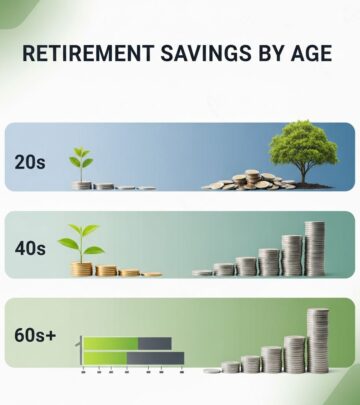
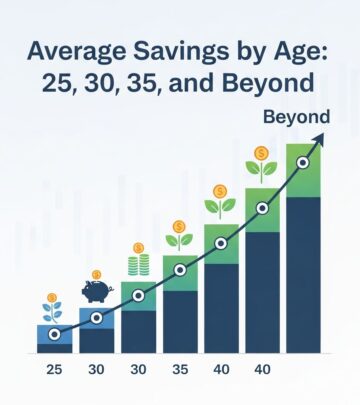
Young adults under 35 face entry-level salaries, student debt, and life milestones like homebuying or starting families. The average liquid savings balance here is $20,540, reflecting modest starts. Retirement savings average $49,130 per household, with a median of $18,880—nearly half of families have accounts, often kickstarted via employer 401(k) matches.
- Key challenge: High living costs and debt repayment limit contributions.
- Percentage with retirement accounts: About 50%.
- Recommended action: Automate 10-15% of income into Roth IRAs or 401(k)s for compound growth.
At this stage, focus on high-yield savings for liquidity and target-date funds in retirement plans, where 70% of millennial 401(k) holders invest fully. Fidelity data shows millennial average 401(k) balances at $67,300, bolstered by rising employer matches averaging 4.6%.
Mid-Career Momentum: Ages 35-44
As careers advance, savings accelerate. Average liquid savings reach $41,540, while retirement accounts average $141,520 (median $45,000). Around 62% of households hold retirement savings, up from younger cohorts. This period aligns with peak earning potential, yet family expenses like education and mortgages compete.
| Age Group | Avg Liquid Savings | Avg Retirement | Median Retirement |
|---|---|---|---|
| 35-44 | $41,540 | $141,520 | $45,000 |
Financial planners suggest 3x salary in retirement savings by age 40. Gen X 401(k) averages hit $192,300, with 54% in target-date funds for balanced risk. Strategies include maxing employer matches and debt payoff to free up cash flow.
Pre-Retirement Push: Ages 45-54
This group averages $71,130 in liquid savings and $313,220 in retirement (median $115,000), with 62% participation. At age 50, aim for 6x salary saved, as retirement looms 15 years away. Average 401(k) for Gen X reaches $192,300, though loans affect 25.3% of balances.
Inflation and healthcare costs intensify needs here. Boost contributions via catch-up limits ($7,500 extra for 50+ in 401(k)s) and consider Roth conversions for tax efficiency.
Retirement Ramp-Up: Ages 55-64
Liquid savings peak near $72,520, but retirement averages soar to $537,560 (median $185,000), though only 57% have accounts. Full retirement age nears (65-67), demanding aggressive saving. Average 401(k) for boomers: $249,300; IRA: $257,002. Early withdrawals before 59½ incur penalties, so preserve growth.
- Common pitfall: Reduced participation rate signals dropouts.
- Pro tip: High-gear contributions and HSAs for medical expenses.
Senior Years: Preservation Phase (65+)
Averages crest at $100,250 liquid savings for 65-74 (dropping to $82,800 for 75+), with retirement at $609,230 avg/$200,000 median for 65-74, then $462,410/$130,000. About 51% of 65-74 households retain accounts, falling to 42% post-75. Focus shifts to sustainable withdrawals (4% rule) and longevity risk.
Social Security supplements, but median shortfalls highlight planning gaps. Review spending annually to stretch funds.
National Trends and Disparities
Across ages, averages mask realities: top 10% inflate figures, medians reveal most lag benchmarks. Women and minorities often save less due to wage gaps. Recent surveys note rising 401(k) participation, with employer contributions averaging 5%. Inflation (post-2022) erodes gains, pushing high-yield options.
| Age | Avg Liquid | Avg Retire | Median Retire | % w/ Accounts |
|---|---|---|---|---|
| <35 | $20,540 | $49,130 | $18,880 | 50% |
| 35-44 | $41,540 | $141,520 | $45,000 | 62% |
| 45-54 | $71,130 | $313,220 | $115,000 | 62% |
| 55-64 | $72,520 | $537,560 | $185,000 | 57% |
| 65-74 | $100,250 | $609,230 | $200,000 | 51% |
| 75+ | $82,800 | $462,410 | $130,000 | 42% |
Strategies to Outpace Averages
Beating medians requires discipline:
- Automate savings: 15-20% of income to retirement first.
- Diversify vehicles: 401(k), IRA, HSA, brokerage.
- Minimize fees: Index funds over active management.
- Side hustles: Boost income for extra contributions.
- Review annually: Adjust for life changes.
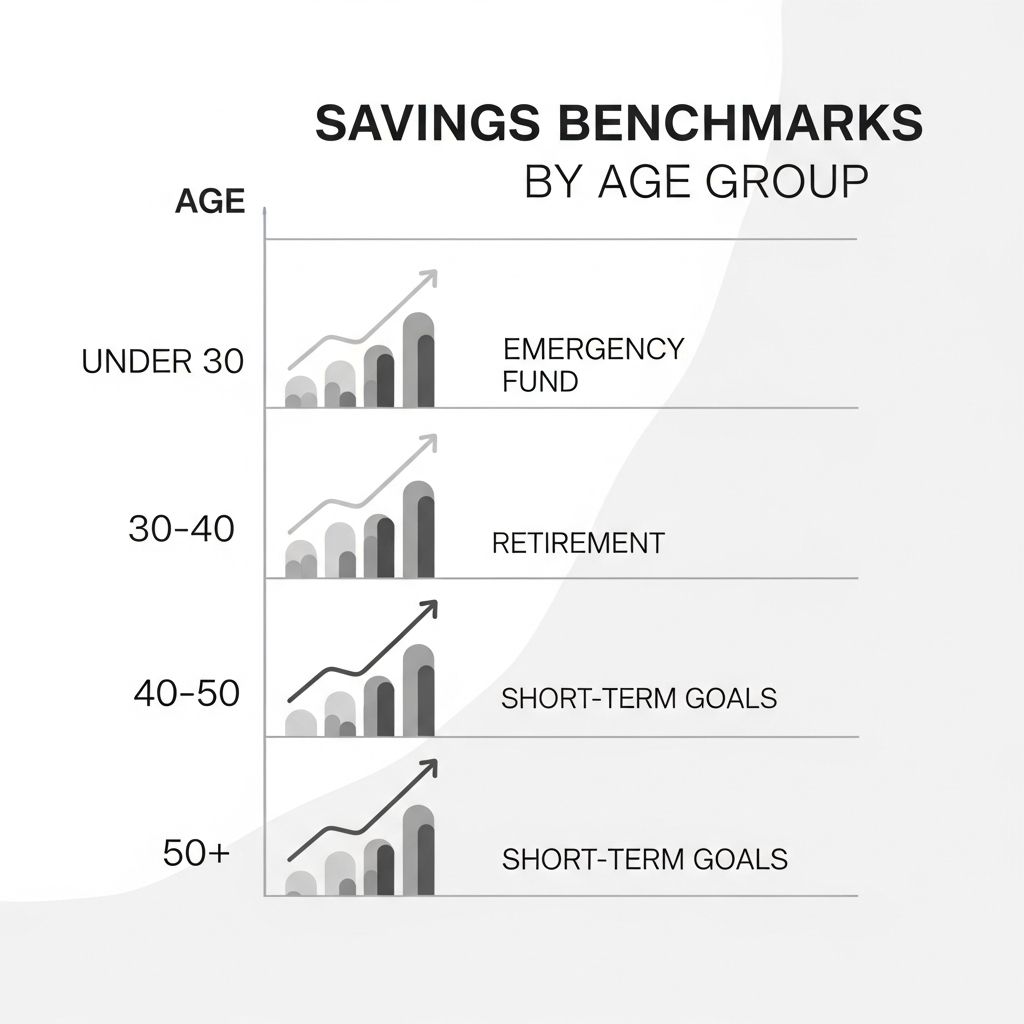
Benchmarks: 1x salary by 30, 3x by 40, 6x by 50, 8x by 60. Tools like Empower show averages at $532,291 overall, but personalized dashboards reveal gaps.
Frequently Asked Questions
What is a good savings amount by age?
It varies, but Federal data shows medians from $18k (under 35) to $200k (65-74) in retirement; aim 10-20% above for security.
Why use median over average?
Medians avoid skew from millionaires, better representing typical savers.
How much for emergencies?
3-6 months expenses in liquid savings, scaling with dependents.
Can I catch up if behind?
Yes, via catch-up contributions and working longer; many do.
Impact of inflation on savings?
Seek 4-5% yields in high-yield accounts to combat 2-3% inflation.
Long-Term Outlook
Savings trajectories improve with education and access, but systemic issues like wage stagnation persist. Younger generations benefit from gig economy boosts, yet must navigate housing crises. Optimism grows: Gallup notes retirees report higher satisfaction than expected. Track progress quarterly and consult advisors for tailored plans.
References
- What Is the Average Savings by Age? — SoFi. 2023. https://www.sofi.com/learn/content/average-savings-by-age/
- Average Retirement Savings by Age — NerdWallet. 2023. https://www.nerdwallet.com/retirement/learn/the-average-retirement-savings-by-age-and-why-you-need-more
- The Average Retirement Savings by Age — Kiplinger. 2023. https://www.kiplinger.com/retirement/retirement-planning/average-retirement-savings-by-age
- 2026 Average (And Median) Retirement Savings BY AGE — YouTube (NerdWallet data). 2026. https://www.youtube.com/watch?v=jNg2Coyc6YQ
- Average retirement savings by age — Fidelity Investments. 2023. https://www.fidelity.com/learning-center/personal-finance/average-retirement-savings
Similar Articles








Read full bio of Sneha Tete