Average Electric Bill in the United States
Understanding national electricity costs and what impacts your monthly power bills.
Understanding your electricity costs is essential for budgeting and financial planning. The average electric bill in the United States provides a baseline for comparing your own usage and expenses. According to recent data, the average American household spends approximately $142.73 per month on electricity. However, this figure varies significantly depending on location, usage patterns, household size, and energy efficiency measures in place.
National Average Electric Bill Overview
Electricity represents one of the largest utility expenses for American households. In 2020, the average American household spent $1,516 annually on electricity, making it the highest spending category among utilities. When examining total utility expenses, Americans spent an average of $4,158 on all utilities combined, with electricity and telephone services accounting for more than 71% of total utilities spending.
The national average of $142.73 per month translates to approximately $1,712 annually, though this figure encompasses a wide range of actual bills across different regions and household types. Factors such as climate, local utility rates, energy consumption habits, and the energy efficiency of homes all play crucial roles in determining individual electric bills.
Regional Variations in Electric Bills
Electric bills vary considerably across different regions of the United States. Understanding these regional differences can help you determine whether your bill is above or below average for your area.
Western and Northeastern Regions
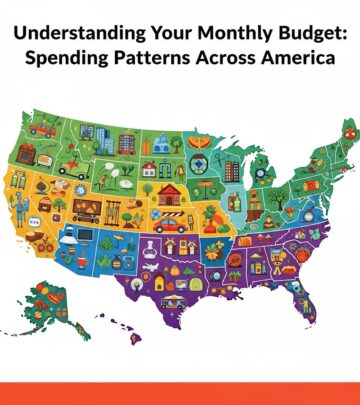
Residents in Western and Northeastern metropolitan areas tend to spend less of their income on utilities compared to other regions. Specifically, Northeastern residents pay approximately 4.7% of annual income on utilities, while Western residents allocate about 4.5%. Despite higher overall living costs in these regions, utility spending remains relatively modest as a percentage of household income.
Southern and Midwestern Regions
Southern and Midwestern areas show higher utility spending as a percentage of household income. Southern residents allocate approximately 5.3% of annual income to utilities, while Midwestern residents spend around 5.1%. These higher percentages reflect increased cooling and heating demands in these climates, which substantially impact annual electricity consumption.
State-Specific Electric Bill Examples
Certain states experience notably higher electricity costs than the national average. California, for instance, has an average electric bill of $159.64, which places it above the national average and ranks it 42nd in the nation for electricity costs. This higher rate in California reflects both the state’s higher energy costs and increased demand for air conditioning in many regions.
In contrast, states with lower energy costs and less extreme climates typically experience bills below the national average. The variation between states can be as much as 50% or more, making location one of the most significant factors affecting your electric bill.
Factors That Impact Your Electric Bill
Several key factors influence the amount you pay for electricity each month:
- Climate and Season: Extreme temperatures increase heating and cooling demands, significantly raising electricity consumption
- Household Size: Larger households typically use more electricity for appliances, lighting, and climate control
- Energy Efficiency: Older appliances and poor insulation increase electricity consumption and monthly bills
- Local Utility Rates: Different utility companies charge varying rates per kilowatt-hour depending on regional energy sources and infrastructure costs
- Usage Habits: Time spent at home, thermostat settings, and appliance usage patterns directly affect monthly consumption
- Home Size: Larger homes require more energy for lighting, heating, and cooling throughout the space
- Energy Source Mix: Regions relying on renewable energy may have different rate structures than those dependent on fossil fuels
Understanding Your Electric Bill Components
Electric bills typically consist of multiple components beyond just the cost of electricity consumed. Understanding these components helps you interpret your bill and identify areas for potential savings.
Generation Fees
Generation fees represent the cost of creating the electricity that powers homes and businesses. These costs are determined by the fuel sources used (natural gas, coal, nuclear, renewable energy) and the efficiency of power generation facilities. For example, a customer using 200 kWh of electricity might pay approximately $29 in generation fees.
Delivery Charges
Delivery charges cover the costs of transmitting electricity through power lines and maintaining the distribution infrastructure. These charges typically represent a significant portion of your total bill. The same 200 kWh customer might pay approximately $46 in delivery fees, reflecting the infrastructure investment required to bring electricity to homes.
Base Service Charges
Many utility companies now separate base service charges from usage-based fees. These fixed monthly charges cover infrastructure maintenance, customer service, and connection costs. Base charges typically range from $6 to $24 per month depending on income level and utility company policies. Unlike usage charges, base charges apply regardless of how much electricity you consume.
Sample Electric Bill Breakdown
To illustrate how electric bills are structured, consider these examples of monthly electricity costs:
| Usage Level | Monthly kWh | Generation | Delivery | Base Charge | Total Bill |
|---|---|---|---|---|---|
| Low Usage | 200 kWh | $29 | $46 | $24 | $99 |
| Average Usage | 500 kWh | $73 | $115 | $24 | $212 |
| High Usage | 700 kWh | $102 | $170 | $24 | $296 |
The average customer typically uses approximately 500 kWh per month. However, actual bills vary based on local utility rates, seasonal variations, and individual consumption patterns.
How to Reduce Your Electric Bill
Reducing electricity consumption is one of the most effective ways to lower your monthly bill. Consider implementing these strategies:
- Install a programmable or smart thermostat to optimize heating and cooling schedules
- Replace incandescent and CFL bulbs with energy-efficient LED lighting
- Upgrade to ENERGY STAR certified appliances that consume less electricity
- Improve home insulation to reduce heating and cooling needs
- Use power strips to eliminate phantom power drain from devices in standby mode
- Run full loads in dishwashers and washing machines
- Adjust water heater temperature to 120 degrees Fahrenheit
- Use natural light and ventilation when weather permits
- Close air leaks around windows and doors
- Consider time-of-use rates if your utility offers them for lower off-peak consumption
Top Metropolitan Areas for Electricity Spending
Several metropolitan areas stand out for their higher-than-average electricity costs. Atlanta, Georgia ranks as the metro area where residents spend the largest chunk of income on utilities, with average utilities spending making up 5.64% of household income. The Miami, Florida area ranks second, with utilities comprising 5.38% of average household income.
Houston, Texas ranks seventh among metro areas, with annual utilities spending exceeding 5% of household income. These areas typically experience higher electricity demands due to climate conditions requiring significant air conditioning, which substantially increases annual electricity consumption and costs.
Income-Level Considerations
Lower-income households often face challenges managing electricity expenses, which can comprise a larger percentage of their total income compared to higher-income households. Many utility companies offer reduced rates or assistance programs for qualifying low-income customers. For example, some utility programs offer base service charges between $6 and $12 for low-income participants, compared to the standard $24 charge.
These assistance programs recognize that electricity is essential and help ensure that vulnerable populations can afford basic power needs. If you qualify based on income criteria, contact your local utility company to learn about available assistance programs.
Future Trends in Electricity Costs
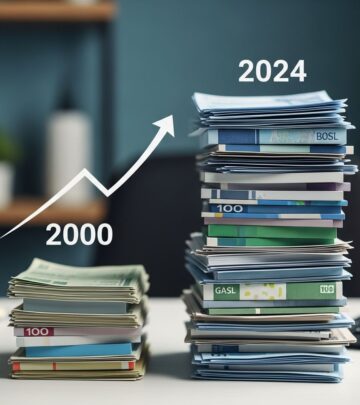
Electricity costs are influenced by broader economic and environmental trends. Rising energy prices have prompted inflation in utility bills across the nation. From October 2020 through October 2021, the energy index rose 30%, significantly outpacing the total consumer price index increase of 6.2%. This trend suggests that electricity costs may continue to increase, making energy efficiency investments even more valuable.
Utility companies are also implementing billing structure changes to improve transparency. Some utilities are separating base service charges from usage charges, allowing customers to better understand what portion of their bill represents consumption versus fixed infrastructure costs. While this restructuring doesn’t necessarily reduce overall costs, it provides clearer visibility into bill components.
Billing Structure Changes and Impact
Recent regulatory changes in some states require utilities to implement new billing structures. These changes separate previously bundled charges into distinct categories including generation fees, delivery charges, and base service charges. For low-usage customers, this restructuring can result in higher bills since fixed base charges apply regardless of consumption.
For example, a customer using 200 kWh might see their bill increase from $75 to $91 after restructuring, despite receiving a rate reduction, because the now-separated base charge outweighs the savings from lower per-kilowatt-hour rates. Conversely, high-usage customers often benefit from restructured billing since lower usage-based rates offset the fixed base charge.
Frequently Asked Questions About Electric Bills
Q: What is the average electric bill in the United States?
A: The average electric bill in the United States is approximately $142.73 per month, or about $1,712 annually. However, this varies significantly by region, with some areas paying substantially more or less depending on local utility rates and climate.
Q: How much does electricity cost in California?
A: California’s average electric bill is $159.64, which is above the national average. This higher rate reflects California’s energy costs and increased demand for air conditioning in many regions of the state.
Q: What factors affect my electric bill the most?
A: Climate, household size, local utility rates, energy efficiency of appliances and the home, and personal usage habits are the primary factors affecting your electric bill. Seasonal variations also play a significant role, with summer and winter typically bringing higher consumption.
Q: How can I reduce my electric bill?
A: You can reduce your electric bill by upgrading to energy-efficient appliances, improving home insulation, using programmable thermostats, switching to LED lighting, and adjusting your daily consumption habits. Many utility companies also offer assistance programs and rebates for energy efficiency improvements.
Q: Do utility companies offer assistance programs for low-income households?
A: Yes, many utility companies offer reduced rates, assistance programs, and lower base service charges for qualifying low-income customers. Contact your local utility provider to learn about available programs and eligibility requirements.
Q: What is included in my electric bill besides the cost of electricity?
A: Electric bills typically include generation fees (cost to create electricity), delivery charges (transmission and infrastructure costs), and base service charges (maintenance and customer service). These components are sometimes bundled together or separated depending on your utility company’s billing structure.
Q: How much electricity does the average household use monthly?
A: The average household typically uses approximately 500 kWh of electricity per month. However, this varies based on household size, climate, season, and energy efficiency measures in place.
References
- How much does it cost to live in California? Housing, utilities, and more — Unbiased. 2023-11-01. https://www.unbiased.com/discover/banking/what-is-the-cost-of-living-in-california
- Places Where People Spend the Most on Utilities — SmartAsset. 2021. https://smartasset.com/data-studies/places-where-people-spend-the-most-on-utilities-2021
Similar Articles








Read full bio of Sneha Tete