Average Business Loan Rates In 2025: Key Insights For Borrowers
Explore current small business loan rates, average APRs, and factors affecting your financing options.

Average Business Loan Rates in 2025: What You Need to Know
When seeking financing for your small business, understanding current interest rates is critical to making an informed decision. Business loan rates can vary dramatically—from as low as 7 percent to as high as 99 percent—depending on multiple factors including your creditworthiness, the type of loan you select, and the lender you choose. Knowing where rates stand can help you compare offers and find the best financing solution for your business needs.
Understanding Current Average Business Loan Rates
According to the latest data from the Federal Reserve Bank of Kansas City, the average interest rate landscape for small business loans reflects the current economic environment. For new urban small business term loans in the fourth quarter of 2024, fixed-rate loans averaged 7.31 percent, while variable-rate loans averaged 7.61 percent. When examining rural lending markets, variable-rate loans offered the lowest average at 7.15 percent, with fixed-rate loans averaging 7.44 percent.
These baseline averages provide useful benchmarks, but it’s essential to understand that your actual rate will depend on numerous individual factors specific to your business situation and financial profile.
Interest Rate Ranges by Loan Type
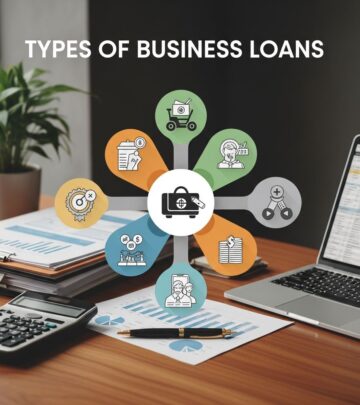
Business loan interest rates vary considerably depending on the specific type of financing you pursue. Different loan products are designed for different borrower profiles and risk levels, which directly impacts the rates offered.
SBA Loans
SBA loans are among the most favorable options for small business owners, offering structured rate limits that provide borrowers with predictability and protection. These loans typically range from fixed rates of 13.00 percent to 16.00 percent APR, while variable-rate SBA loans range from 11.00 percent to 14.50 percent APR. However, specific SBA 7(a) loan rates depend on the loan amount and whether you select a fixed or variable rate product.
Conventional Business Loans
Traditional bank loans without SBA backing tend to have more competitive rates for well-qualified borrowers. With excellent credit and strong financials, you might access rates as low as 7 percent to 8 percent. However, conventional loans offer greater rate flexibility since the SBA doesn’t impose maximum rate caps.
Merchant Cash Advances
Merchant cash advances operate on a different pricing model than traditional loans. Instead of an interest rate, these products use a factor rate ranging from 1.04 to 1.32. This means you’ll repay between 1.04 and 1.32 times the amount you borrowed.
Bad Credit Business Loans
Borrowers with poor credit history face significantly higher costs. Bad credit business loans typically range from 20 percent to 99 percent APR, with factor rates between 1.03 and 1.52. These higher rates reflect the increased risk lenders assume when working with borrowers who have demonstrated credit challenges.
Business Credit Cards
Business credit cards generally charge interest rates between 18.50 percent and 30.00 percent APR, making them among the costlier borrowing options but useful for short-term working capital needs.
Invoice Factoring
Invoice factoring uses a different fee structure than traditional loans. Rather than charging interest, factoring companies charge fees ranging from 0.5 percent to 4 percent, depending on various factors including the quality of your invoices and the factoring company’s terms.
SBA 7(a) Loan Rate Details
SBA 7(a) loans are the most popular SBA product, and understanding their rate structure can help you evaluate whether this option suits your needs. The SBA sets maximum rates for both fixed and variable loans based on loan amount, ensuring that rates remain accessible for qualifying businesses.
Fixed-Rate SBA 7(a) Loans
Maximum fixed interest rates for SBA 7(a) loans as of August 2025 are structured as follows:
| Loan Amount | Maximum Fixed Rate |
|---|---|
| $25,000 or less | 15.50% |
| $25,001 to $50,000 | 14.50% |
| $50,001 to $250,000 | 13.50% |
| Over $250,000 | 12.50% |
Variable-Rate SBA 7(a) Loans
Variable-rate loans offer lower maximum rates but carry the risk of rate increases over time. Maximum variable rates as of August 2025 are:
| Loan Amount | Maximum Rate |
|---|---|
| $50,000 or less | 14.00% |
| $50,001 to $250,000 | 13.50% |
| $250,001 to $350,000 | 12.00% |
| Over $350,000 | 10.50% |
How SBA Rates Are Calculated
Understanding how SBA rates are set can help you anticipate your actual borrowing costs. The SBA establishes maximum rates using a formula that combines a base rate with an additional spread determined by loan maturity and amount.
For variable-rate loans, the SBA adds a specified margin to a base rate. The base rate can be either the prime rate (set by the Federal Reserve) or the optional peg rate (published quarterly by the SBA). The margin added to this base rate depends on the loan amount:
| Loan Amount | Margin Above Base Rate |
|---|---|
| $50,000 or less | Base rate + 6.5% |
| $50,001 to $250,000 | Base rate + 6.0% |
| $250,001 to $350,000 | Base rate + 4.5% |
| Over $350,000 | Base rate + 3.0% |
As of August 2025, the prime rate stands at 7.50 percent, which serves as the basis for calculating many variable-rate loan maximums. Larger loan amounts benefit from lower margins, reflecting the lower risk profile of larger loans.
Factors That Influence Your Business Loan Rate
Your actual interest rate depends on several interconnected factors beyond the average rates discussed above. Understanding these variables can help you improve your positioning when applying for financing.
Credit Score and Credit History
Your creditworthiness remains the primary driver of interest rates. Businesses with excellent credit scores of 670 and above typically qualify for the most competitive rates, sometimes as low as 6 percent to 8 percent. In contrast, businesses with poor credit may face rates exceeding 50 percent. Your personal credit history often matters as well, especially for newer businesses.
Business Financial Performance
Lenders evaluate your business revenue, profitability, cash flow, and debt-to-income ratios. Strong financials demonstrate your ability to repay borrowed funds and typically result in better rates. Startups with limited operating history may face higher rates due to uncertainty about their viability.
Loan Amount and Term
Larger loan amounts generally come with lower rates, as demonstrated by the SBA 7(a) rate structure. Similarly, longer repayment terms often carry higher rates to compensate lenders for extended risk exposure. Your monthly payment capability directly impacts how much you can borrow—a business able to afford a $3,500 monthly payment on a 15-month SBA loan could borrow approximately $269,579 at 13.50 percent APR, but that increases to $273,067 at 13.25 percent APR.
Type of Lender
Different lenders have different risk appetites and pricing strategies. Traditional banks typically offer the most competitive rates but have stricter qualification requirements. Online lenders and alternative financing companies may approve more borrowers but charge higher rates to offset increased risk.
Secured Versus Unsecured Loans
Secured loans, backed by collateral such as equipment or real estate, typically carry lower rates than unsecured loans. Unsecured business loans range from 7 percent to 75 percent APR depending on other factors, with the widest variation in this category reflecting the lender’s inability to recover losses through asset seizure if you default.
Industry and Business Type
Some industries carry inherently higher risks than others. Seasonal businesses, startups in competitive markets, or industries with high failure rates may face premium rates compared to established businesses in stable industries.
Federal Reserve Policy
The Federal Reserve’s monetary policy significantly impacts business lending rates. When the Federal Reserve maintains higher interest rates, small business borrowing costs increase accordingly. Currently, the Federal Reserve is holding interest rates steady, meaning more affordable financing options may not be as readily available for some small business owners seeking lower rates.
SBA Loan Fees Beyond Interest Rates
When evaluating the true cost of SBA loans, it’s important to account for fees in addition to interest charges. These fees add to your total borrowing cost and vary based on loan amount.
Annual Service Fees
For the 2025 fiscal year (beginning October 1, 2024), SBA annual service fees are assessed as follows:
| Loan Amount | Annual Service Fee |
|---|---|
| $500,000 or less | 0% |
| $500,001 to $1,000,000 | 0.17% of guaranteed portion |
| $1,000,001 to $5,000,000 | 0.55% of guaranteed portion |
Guarantee Fees
Guarantee fees apply to loans with terms exceeding 12 months and are charged upfront:
| Loan Amount | Guarantee Fee for Terms Over 12 Months |
|---|---|
| $1,000,000 or less | 0% |
| Over $1,000,000 | 3.50% of guaranteed portion up to $1,000,000; 3.75% of guaranteed portion above $1,000,000 |
What Constitutes a Good Business Loan Rate
Determining whether you’ve found a good rate requires understanding benchmarks for your specific situation. Generally speaking, the most ideal interest rates for business loans fall between 7 percent and 16 percent APR. For bad credit business loans specifically, rates between 20 percent and 30 percent might be considered reasonable given the borrower’s credit challenges.
Ultimately, the lowest rate available for your credit profile is a good rate. Rather than comparing your rate to national averages, focus on getting multiple quotes from different lenders and selecting the most competitive offer you qualify for.
Impact of Federal Reserve Decisions on Loan Amounts
Rising interest rates have measurable consequences beyond just higher monthly payments. Between May 2021 (when the prime rate was 3.25 percent) and May 2025, the average SBA loan amount decreased by 38 percent. This dramatic decline reflects how higher borrowing costs reduce the amount businesses can afford to borrow given fixed monthly payment budgets. As rates increase, lenders see smaller average loan requests because businesses can’t sustain larger monthly obligations.
Comparing Business Loan Options
With interest rates varying so widely, it pays to shop around and compare multiple loan types before committing to financing. Consider using a business loan calculator to see how different rates affect your monthly payments and total interest costs over the life of the loan. Factor in all fees and costs, not just the stated interest rate, to calculate your true cost of borrowing.
Frequently Asked Questions
Q: What is the average business loan interest rate right now?
A: According to the Federal Reserve Bank of Kansas City, the average interest rate for new urban small business term loans in Q4 2024 was 7.31 percent for fixed-rate loans and 7.61 percent for variable-rate loans. However, rates vary significantly based on business creditworthiness, loan type, and lender.
Q: Can I get a business loan with a 7% interest rate?
A: Yes, businesses with excellent credit (typically 670+), strong revenue, and solid financials may qualify for rates around 7 percent. However, such low rates are typically available only through conventional bank loans to the most creditworthy borrowers.
Q: How do SBA loans compare to conventional business loans in terms of interest rates?
A: SBA loans have maximum rate caps set by the Small Business Administration, typically ranging from 10.50 percent to 16.00 percent depending on loan amount and type. Conventional loans offer more flexibility and may have lower rates for well-qualified borrowers, but worse-qualified borrowers may find SBA loans more favorable since rates are capped.
Q: What affects my business loan interest rate the most?
A: Your credit score, business financial performance, and creditworthiness are typically the most influential factors. Loan amount, term, whether the loan is secured or unsecured, your industry, and the specific lender you work with also significantly impact your rate.
Q: Are there business loans available below 7 percent APR?
A: Very few business loans are available below 7 percent APR. The lowest rates typically go to businesses with high revenue, excellent credit scores of 670 or higher, and strong financial performance. Most businesses will qualify for rates higher than 7 percent.
Q: How does the Federal Reserve affect my business loan rate?
A: The Federal Reserve sets the federal funds rate, which influences the prime rate that most lenders use as a basis for their loan rates. When the Federal Reserve raises rates, business loan rates typically increase as well. Higher rates mean higher monthly payments and the ability to borrow less money.
References
- Average Business Loan Interest Rates in 2025 — Bankrate. 2025-03-01. https://www.bankrate.com/loans/small-business/average-business-loan-rates/
- SBA Loan Interest Rates In 2025 — Bankrate. 2025-08-01. https://www.bankrate.com/loans/small-business/sba-loan-rates/
- Average Bad Credit Business Loan Interest Rates — Bankrate. 2025-03-01. https://www.bankrate.com/loans/small-business/average-bad-credit-business-loan-rates/
- What Are Current Unsecured Business Loan Interest Rates? — Bankrate. 2025-03-01. https://www.bankrate.com/loans/small-business/average-unsecured-business-loan-rates/
- How The Federal Reserve Affects Business Loans — Bankrate. 2025-03-01. https://www.bankrate.com/loans/small-business/how-federal-reserve-affects-business-loans/
- Small Business Statistics In 2025 — Bankrate. 2025-03-01. https://www.bankrate.com/loans/small-business/small-business-statistics/
Similar Articles








Read full bio of Sneha Tete