Available Credit Definition: What It Means for Your Finances
Learn how available credit works and why managing it matters for your financial health.
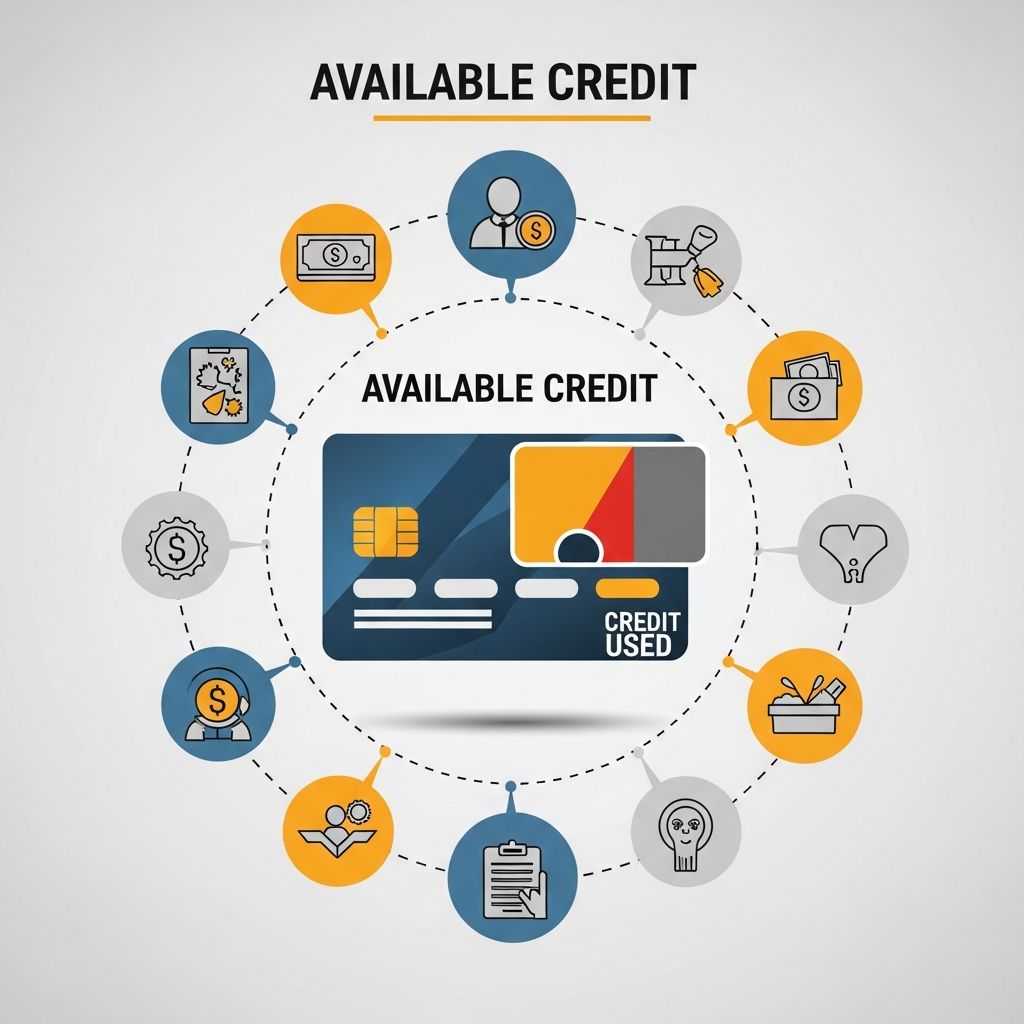
Available credit is a fundamental concept in personal finance that many credit card users encounter regularly, yet few fully understand. In its simplest form, available credit refers to the amount of money you can still spend on your credit card without exceeding your credit limit. It represents the unused portion of your credit line, constantly changing as you make purchases and payments. Understanding this concept is crucial for managing your finances effectively, maintaining a healthy credit score, and avoiding costly mistakes like exceeding your credit limit.
Understanding the Basics of Available Credit
What Exactly Is Available Credit?
Available credit is the remaining balance on your credit card that you haven’t used yet. Think of your credit limit as the maximum amount you’re allowed to borrow, and available credit as the portion of that maximum that remains unused. For example, if your credit card has a $5,000 credit limit and you have a current balance of $2,000, your available credit is $3,000. This figure constantly updates as you make new purchases or payments on your credit card.
The relationship between these components is straightforward but essential to grasp. Every time you make a purchase, your available credit decreases. Conversely, each time you make a payment toward your balance, your available credit increases. This dynamic relationship means that your available credit is not static—it fluctuates throughout your billing cycle based on your spending and payment behavior.
The Simple Formula for Calculating Available Credit
Calculating your available credit requires just one simple equation:
Available Credit = Credit Limit – Current Balance
To illustrate this formula in action, consider this scenario: You have a credit card with a $10,000 credit limit. After paying for groceries, gas, and other items, you’ve spent $1,500. Your current balance is $1,500, which means your available credit is $8,500 (calculated as $10,000 – $1,500). If you’re also carrying a balance of $500 from the previous month, that amount is also subtracted from your available credit, bringing it to $8,000.
Credit Limit vs. Available Credit: Key Differences
Understanding the distinction between credit limit and available credit is essential for responsible credit management. While these terms are often confused, they represent different financial concepts that serve different purposes.
Credit Limit Explained
Your credit limit, also known as a credit line, is the maximum amount of credit an issuer extends to you. It represents the ceiling of what you can spend with your credit card. Credit card issuers determine your credit limit using multiple criteria, including your credit score, income, credit history, and payment history. Your credit limit is typically set when you open the account and may remain the same throughout the life of your account, though you can request an increase.
Available Credit: The Spendable Portion
Available credit, by contrast, is the amount of your credit limit that you currently have available to spend. It fluctuates based on your account activity. The more purchases you make with your card, the less available credit you will have. The fewer purchases you make—or the more of your balance you pay off—the more credit is available to you. Essentially, available credit is the working number that changes with your spending habits, while your credit limit remains your maximum borrowing threshold.
Current Balance vs. Available Credit: What’s the Difference?
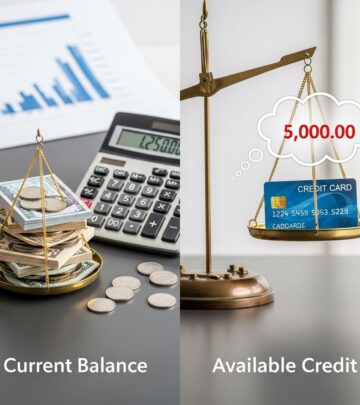
Your current balance and available credit are closely related, yet they represent opposite sides of the same coin. Understanding the distinction between them is vital for tracking your spending effectively.
Defining Current Balance
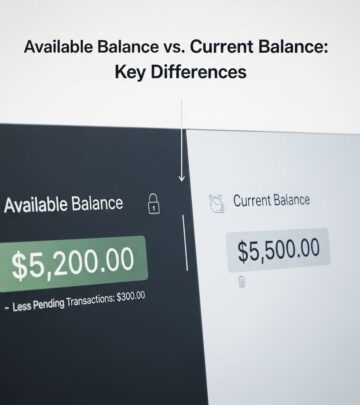
Your current balance is the total amount you currently owe on your credit card. This includes pending transactions, purchases, interest charges, and any fees. It represents what you have already spent and now owe to your credit card company. Each purchase you make on your credit card adds to your current balance.
How They Work Together
The relationship between current balance and available credit is inverse:
- Each purchase you make adds to your current balance and subtracts from your available credit
- Each payment you make subtracts from your current balance and adds to your available credit
- Current balance is what you have already spent, while available credit is what you can still spend
For practical understanding, imagine your credit card as a checking account with a maximum limit. Your current balance is like the money you’ve already written checks for, while your available credit is like the remaining funds in your account that you can still access.
Why Available Credit Matters for Your Credit Score
Credit Utilization Ratio Impact
Available credit plays a significant role in determining your credit utilization ratio, which is one of the most important factors in calculating your credit score. Your credit utilization ratio is the percentage of your available credit that you’re actually using. Financial experts generally recommend keeping your credit utilization below 30% to maintain a healthy credit score.
For example, if you have $10,000 in total available credit across all your cards and you’re using $3,000, your utilization ratio is 30%. Keeping your utilization low demonstrates to lenders that you’re not dependent on credit and can manage your finances responsibly. High utilization ratios, conversely, may signal financial stress and can negatively impact your credit score.
The Importance of Not Maxing Out
Spending all your available credit tends to be an unwise move and can have a negative impact on your credit score and financial standing. When you approach or exceed your credit limit, you’re signaling high financial risk to lenders, which can result in:
- Lower credit scores
- Higher interest rates on future credit
- Potential denial of credit applications
- Damage to your creditworthiness
How Available Credit Changes Throughout Your Billing Cycle
Fluctuations Due to Spending
Your available credit is not a fixed number—it changes constantly based on your account activity. Every transaction you make impacts your available credit in real-time (or within a few days, depending on when the transaction posts to your account).
The Billing Cycle Journey
At the beginning of a new billing cycle, if you don’t carry a balance from the previous month, your available credit may be the same as your credit limit. As you make purchases throughout the month, your available credit decreases. When you make payments on your card, your available credit increases. By the end of the billing cycle, your available credit will reflect any outstanding charges, interest, or fees that have accrued.
Practical Examples of Available Credit Calculations
Example One: Simple Purchase
Let’s say your new credit card has a credit limit of $1,000 and you charge $100 to it. Your available credit would be $900. This straightforward calculation demonstrates how a single transaction impacts your available credit.
Example Two: Multiple Transactions
Suppose you have a $5,000 credit limit. In your first week, you spend $500 on groceries, gas, and dining out. Your available credit is now $4,500. The following week, you make a $300 payment toward your balance. Your available credit increases to $4,800. By mid-month, after additional purchases totaling $1,200 and another $200 payment, your current balance is $1,500 and your available credit is $3,500.
What Happens When You Exceed Your Credit Limit?
Understanding the consequences of exceeding your credit limit underscores the importance of monitoring your available credit. Depending on your card issuer, several outcomes are possible:
Potential Consequences
Keeping tabs on your available credit is an important step in ensuring you don’t spend over your limit. Exceeding your credit limit could lead to:
- Purchases being declined at the point of sale
- Negative impacts on your credit score
- Increased interest rates
- Loss of access to your credit
- Over-the-limit fees charged by your card issuer
- Amounts exceeding the limit being added to your minimum payment due
Strategies to Increase Your Available Credit
Request a Credit Limit Increase
One direct way to increase your available credit is to request a credit limit increase from your card issuer. Many issuers allow you to request increases online or over the phone. A higher credit limit automatically means more available credit, assuming your balance remains the same.
Pay Off Your Balance Early
Some cardholders may pay off their credit card early to free up available credit and try to improve their credit scores. This strategy is particularly effective because it simultaneously reduces your current balance and increases your available credit, while also lowering your credit utilization ratio.
Open New Credit Cards
Opening a new credit card increases your total available credit across all accounts. However, this strategy should be approached carefully, as opening multiple new accounts in a short period can negatively impact your credit score due to hard inquiries and new account activity.
Make Regular Payments
The most straightforward way to maintain healthy available credit is to make regular, consistent payments on your credit card balances. By keeping your balance low, you automatically maintain higher available credit.
Frequently Asked Questions About Available Credit
Q: Is available credit the same as my credit limit?
A: No. Your credit limit is the maximum amount you can borrow, while available credit is the portion of that limit you haven’t used yet. Available credit equals your credit limit minus your current balance.
Q: Can I use all my available credit?
A: Technically yes, but it’s not advisable. Using all your available credit would result in a 100% credit utilization ratio, which can significantly damage your credit score. Financial experts recommend keeping utilization below 30%.
Q: Why is my available credit less than my credit limit?
A: Your available credit is less than your credit limit because you have an outstanding balance on your card. Any charges you’ve made reduce your available credit. Once you pay down your balance, your available credit increases accordingly.
Q: How often does available credit update?
A: Available credit typically updates in real-time or within a few business days when transactions post to your account. Most card issuers provide up-to-date available credit information through their online portals and mobile apps.
Q: Does paying off my balance increase my available credit immediately?
A: Most payments reflect in your available credit within one to three business days, depending on your card issuer’s processing times. However, some issuers may update this information more quickly.
Q: How does available credit affect my credit score?
A: Available credit indirectly affects your score through your credit utilization ratio. Lower utilization ratios (achieved by maintaining high available credit) are associated with better credit scores.
Key Takeaways: Managing Your Available Credit Wisely
Available credit is a critical component of responsible credit management. By understanding what it is, how it’s calculated, and why it matters, you can make better financial decisions and maintain a healthy credit profile. Remember that available credit equals your credit limit minus your current balance, and that keeping your utilization low—ideally below 30%—is essential for credit health. Regular monitoring of your available credit through your card issuer’s online platform or mobile app enables you to stay in control of your spending and avoid the pitfalls of exceeding your limit. Whether you’re paying down balances, requesting credit limit increases, or simply being more mindful of your spending habits, focusing on your available credit is a fundamental step toward financial wellness.
References
- What Does Available Credit Mean? — Credit One Bank. https://www.creditonebank.com/articles/what-does-available-credit-mean
- What Does Available Credit Mean? — College Ave. https://www.collegeave.com/articles/available-credit/
- What Is Available Credit and How Does It Work? — American Express. https://www.americanexpress.com/en-us/credit-cards/credit-intel/what-does-available-credit-mean/
- Available Credit on a Credit Card: What It Is & Why It’s Important — SoFi. https://www.sofi.com/learn/content/what-is-available-credit-on-credit-card/
- What Is Available Credit and How Does It Work? — Capital One. https://www.capitalone.com/learn-grow/money-management/what-does-available-credit-mean/
- What Is Available Credit on a Credit Card? — Experian. https://www.experian.com/blogs/ask-experian/what-is-available-credit-on-credit-card/
- What Does Available Credit Mean? — Discover. https://www.discover.com/credit-cards/card-smarts/what-does-available-credit-mean/
Similar Articles








Read full bio of medha deb