Available Balance vs. Current Balance: Key Differences
Understand the crucial difference between available and current balance to avoid overdraft fees.
Available Balance vs. Current Balance: Understanding the Critical Difference
Most people log into their banking app and notice something puzzling: two different account balances displayed on their screen. One shows a higher number, while the other shows less available funds. You’re not alone in wondering what these numbers mean. Understanding the distinction between your current balance and your available balance is crucial for managing your finances effectively and avoiding costly overdraft fees.
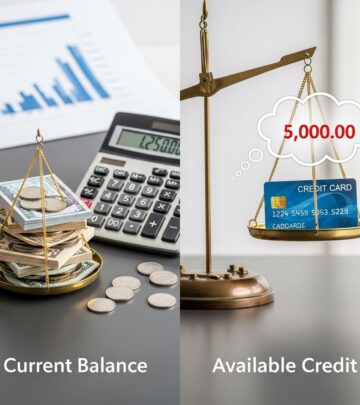
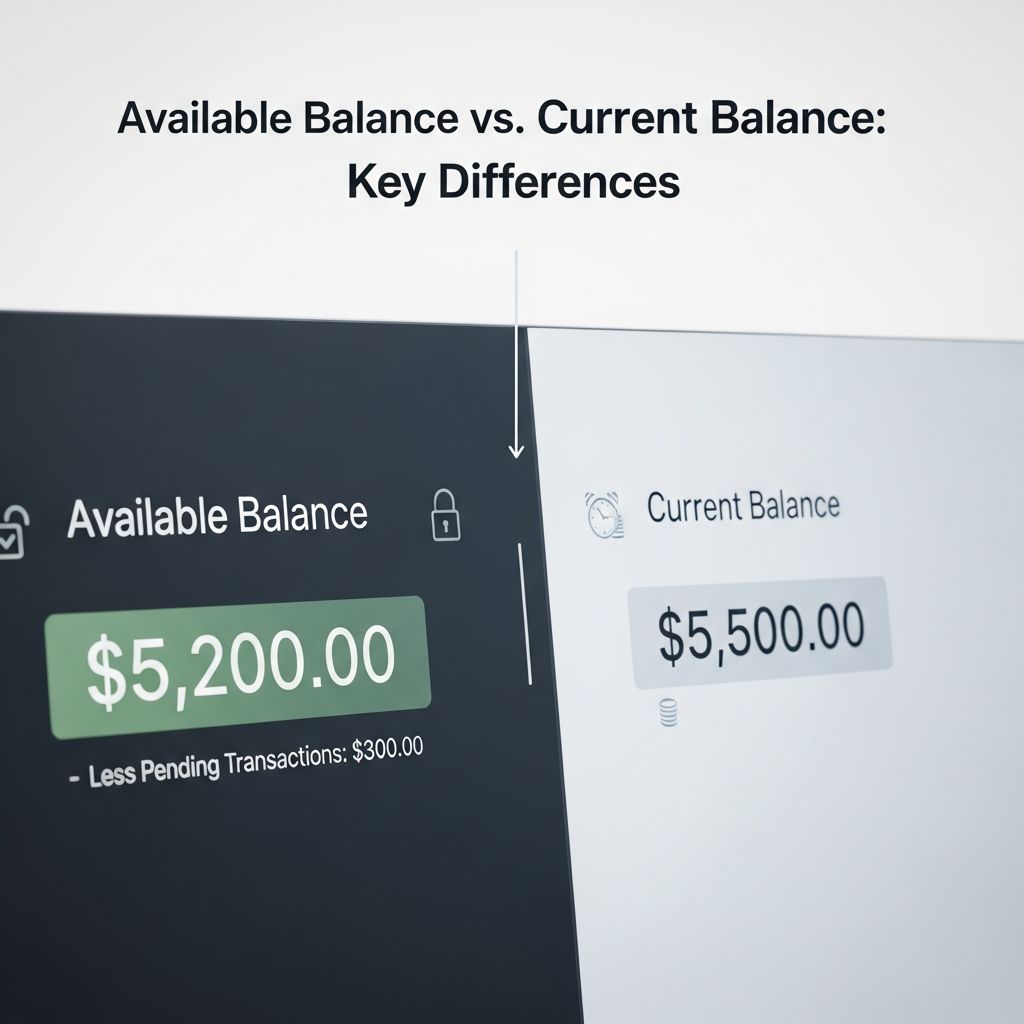
The difference is straightforward but important. Your current balance includes all the money in your account, even transactions that haven’t fully processed yet. Your available balance, on the other hand, shows only the cash you can actually spend right now. This distinction could save you from expensive overdraft fees and declined transactions that damage your financial reputation.
What Is Your Current Balance?
Your current balance represents the total amount of money in your account at any given moment, including recent transactions that haven’t finished processing yet. Think of it as a running tally of everything that’s happened to your account — deposits, withdrawals, debit card purchases, and checks you’ve written.
Even if a restaurant hasn’t collected payment for yesterday’s dinner yet, that charge still affects your current balance. This balance updates whenever you make a transaction, but it doesn’t necessarily reflect what you can actually spend. For example, if you have $500 in your account and swipe your debit card to purchase groceries for $75, the store might not immediately process the charge. The transaction could take a day or two to clear from your account, but it still appears in your current balance calculation.
Your current balance serves an important tracking purpose. It helps you see all recent activity on your account and verify that your purchases are showing up correctly. It’s also useful for monitoring when pending items finally clear and for spotting any suspicious or unauthorized transactions.
What Is Your Available Balance?
Your available balance shows the money you can actually use right now for purchases, withdrawals, or bill payments. This number factors in holds, pending transactions, and any restrictions your bank has placed on recently deposited funds. It’s essentially your spendable cash.
Banks calculate your available balance by taking your current balance and subtracting any holds or pending debits that could affect your account. This is the number you should trust when deciding whether you can afford to make a purchase or pay a bill. If your available balance shows $300, you can safely spend up to that amount without risking overdraft fees or declined transactions.
Why Your Available Balance Differs From Your Current Balance
There are several reasons why your account’s available balance might not match up with its current balance. Understanding these reasons helps you make smarter financial decisions.
Pending Transactions
Pending transactions are purchases or transfers that haven’t been fully processed yet. This is the most common reason for a difference between your two balances. For instance, if you have $200 in your account and swipe your debit card to buy a $20 lunch, the restaurant might not immediately take the money from your account. Rather, the debit may take a day or two to clear. Until that happens, your account’s current balance may still be listed as $200, while the available balance will be only $180. This temporary difference protects you from overdrawing your account.
Bank Holds
Banks sometimes place holds on your deposits, particularly for checks or transfers from other financial institutions. These holds mean you can’t access those funds immediately, even though they appear in your current balance. A bank might hold a check deposit for 3-5 business days to verify the funds before making them available. During this holding period, your current balance reflects the deposit, but your available balance does not.
Deposits That Haven’t Cleared
When you deposit a check or receive a transfer, it doesn’t instantly become available. Your current balance updates right away to reflect the deposit, but your available balance only increases once the deposit has cleared. Direct deposits, for example, may be available before they fully clear, but some deposits can take several business days.
Other Restrictions
Your bank might place restrictions on your available balance for various reasons, including overdraft protection settings, pending authorizations, or account holds due to suspicious activity. These restrictions don’t change your current balance but do affect what you can actually spend.
Which Balance Should You Use?
This is perhaps the most important question for your financial health. The answer is clear: always base your spending decisions on your available balance, not your current balance.
Your available balance prevents you from accidentally overdrawing your account because it already accounts for pending transactions and holds. If you have $300 available, you can safely spend up to that amount without risking overdraft fees. Your current balance serves a different purpose — it helps you track your overall account activity and spot pending transactions.
For Everyday Spending
Check your available balance before making purchases, writing checks, or paying bills. This is your true spending power. Using your current balance for spending decisions could lead you to think you have more money than you actually do, resulting in overdraft fees or declined transactions.
For Account Monitoring
Review your current balance to see all recent activity and ensure nothing looks suspicious. Use it to verify that your recent purchases are showing up correctly and to monitor when pending items clear. This helps you catch fraudulent transactions quickly and understand your account’s complete financial picture.
How to Avoid Overdraft Fees and Declined Transactions
Understanding available versus current balance is just the first step. Here are practical strategies to protect your account and your wallet:
Choose an Account That Doesn’t Charge for Overdrafts
Some banks don’t charge for overdrafts. This is either because transactions that would overdraw the account are declined, or the bank might not charge overdrafts that are under a certain dollar amount (although they’ll likely need to be repaid within a set amount of time). Shopping around for a better checking account can save you hundreds of dollars annually in fees.
Sign Up for Account Alerts
You can set up your bank’s mobile app to notify you when your balance falls below a set threshold. This can help make you aware when you’re in danger of overdrawing your account. Real-time alerts keep you informed of your financial status and allow you to take corrective action before problems arise.
Sign Up for Overdraft Protection
Overdraft protection initiates a transfer from your savings account or an established line of credit whenever a transaction takes place that would overdraw your checking account. Some banks charge a fee for overdraft protection transfers, but this fee is often lower than standard overdraft fees. Be sure to understand your bank’s specific fees and terms.
Keep Extra in Your Checking Account
Having a cushion balance in your checking account can help avoid overdraft fees if you accidentally overspend. Financial experts often recommend maintaining a buffer of at least $200 to $500, depending on your spending habits and income level.
How to Find a Better Checking Account
If overdraft fees are eating into your budget, it might be time to switch banks. Look for accounts that offer overdraft forgiveness, no overdraft fees, or generous fee-free ATM networks. Many online banks provide better fee structures and higher interest rates than traditional brick-and-mortar institutions. Some even offer early access to direct deposits, making your paychecks available up to two days earlier.
When comparing checking accounts, consider the following factors:
- Monthly maintenance fees
- Overdraft fee policies
- Minimum balance requirements
- ATM network availability
- Interest rates on deposits
- Mobile app features and user experience
Frequently Asked Questions About Available and Current Balance
Q: Why does my available balance keep changing?
A: Your available balance changes as pending transactions clear, new transactions are initiated, and holds are placed or removed. Banks recalculate your available balance throughout the day as transactions process and your account activity updates.
Q: How long does it take for pending transactions to clear?
A: Most debit card transactions clear within 1-3 business days. However, some transactions like checks can take longer. Your bank should provide specific timelines for different transaction types.
Q: Can I spend my current balance?
A: You should not rely on your current balance for spending decisions. You should only spend what your available balance shows to avoid overdraft fees and account complications.
Q: What happens if I try to spend more than my available balance?
A: Your transaction may be declined, or if your bank allows overdrafts, you may face overdraft fees. These fees can range from $25 to $35 per transaction, making them expensive mistakes.
Q: How often should I check my available balance?
A: Check your available balance before making any significant purchases or paying bills. Many people find it helpful to review their balance daily using their bank’s mobile app to stay aware of their spending power.
Q: Is available balance the same as my credit limit?
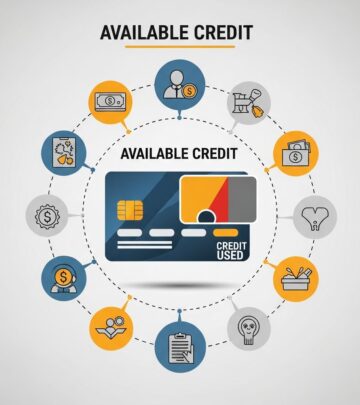
A: No. Available balance refers to checking accounts and the money you actually have. Available credit refers to credit cards and represents how much you can borrow. These are different financial concepts.
Q: Can my bank change my available balance without my permission?
A: Your bank can place holds or restrictions on your available balance for legitimate reasons such as fraud investigations, pending holds on deposits, or account security measures. They typically notify you of significant changes.
Bottom Line
Your checking account can display a current balance and an available balance, and the two might not show the same amount. Understanding the difference between these two numbers is essential for managing your finances responsibly. Your available balance shows the money you can currently spend, so it’s important to pay attention to this dollar amount when making debit card transactions, paying bills, writing checks, or withdrawing cash.
By consistently using your available balance as your spending guide, monitoring your account regularly, and taking advantage of tools like account alerts and overdraft protection, you can protect yourself from expensive fees and financial stress. Remember that your current balance is useful for tracking your overall account activity, but your available balance is your true indicator of what you can afford to spend. Make this distinction a regular part of your financial management routine, and you’ll be on your way to better money management and fewer financial surprises.
References
- Available balance vs. current balance: What’s the difference? — Bankrate. 2025. https://www.bankrate.com/banking/checking/what-is-your-available-balance/
- How To Check Your Bank Account Balance — Bankrate. 2025. https://www.bankrate.com/banking/how-to-check-bank-account-balance/
- Why You Should Balance Your Checking Account — Bankrate. 2025. https://www.bankrate.com/banking/checking/why-balance-your-checking-account/
- Statement balance vs. current balance: What’s the difference? — Bankrate. 2025. https://www.bankrate.com/credit-cards/advice/statement-balance-vs-current-balance/
- Credit CARD Act of 2009 — United States Government. 2009. https://www.federalreserve.gov/
Similar Articles








Read full bio of Sneha Tete