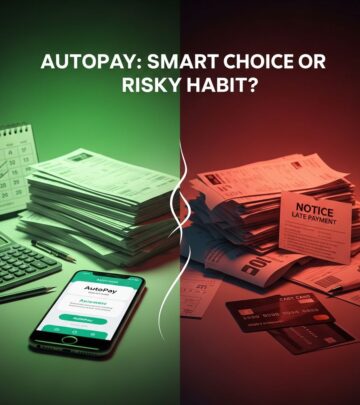
Autopay or Bill Pay: Smart Choices
Discover how autopay and online bill pay differ, their benefits, risks, and strategies to choose the best for your financial routine.

Navigating bill payments in today’s digital age involves choosing between
autopay
andonline bill pay
, two electronic methods that streamline finances but offer distinct levels of automation and oversight. Autopay pulls funds directly from your account on a fixed schedule, ideal for predictable expenses, while online bill pay lets you schedule payments manually through your bank, providing flexibility for variable costs.Understanding Autopay: Hands-Off Automation
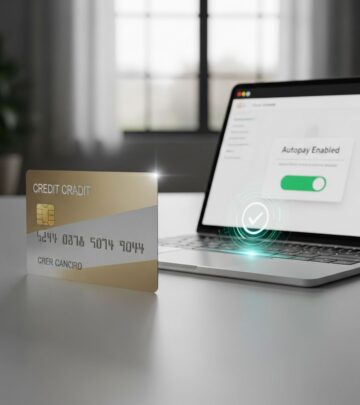
Autopay represents a fully automated payment system where billers withdraw exact amounts from your checking account, savings, or credit card at regular intervals. This setup requires initial authorization of your account details, including routing numbers or card information, after which payments occur without further input.
It’s particularly suited for fixed obligations like mortgage payments or subscriptions with consistent dues. Users report high satisfaction due to the elimination of manual tracking, ensuring timely payments even during busy periods. However, success hinges on maintaining sufficient funds to avoid overdraft fees.
Decoding Online Bill Pay: Controlled Scheduling
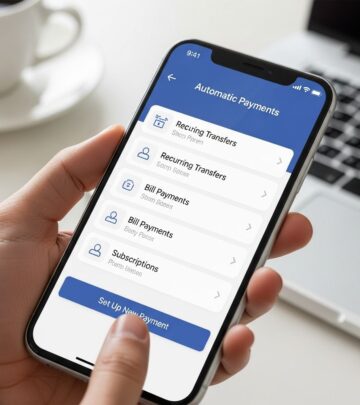
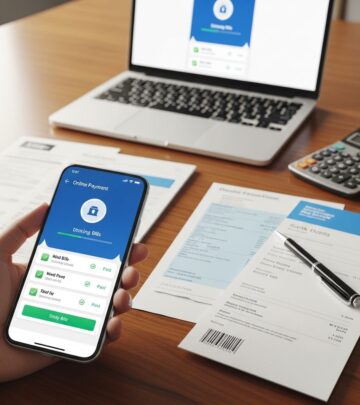
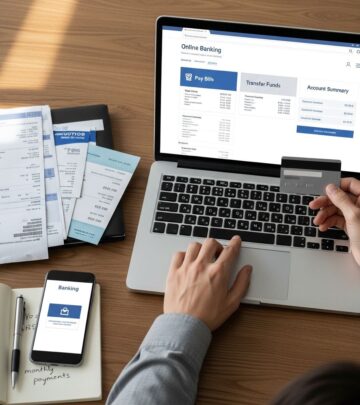
Online bill pay, a feature from most banks and credit unions, enables users to initiate payments via secure portals. You add payees by inputting their details, then schedule one-time or recurring transfers, often processed via ACH or mailed checks.
This method shines for fluctuating bills, such as utilities or credit cards, where amounts change monthly. Banks typically offer it free, consolidating all payments in one dashboard for easy monitoring. Flexibility allows adjustments, cancellations, or reviews before funds move, enhancing financial awareness.
Key Distinctions: Automation vs. Oversight
The core variance lies in intervention: autopay demands none post-setup, functioning as a ‘set-and-forget’ tool, whereas bill pay requires logging in to schedule.
| Feature | Autopay | Online Bill Pay |
|---|---|---|
| Payment Initiation | Automatic deduction by biller | Manual scheduling by user |
| Control Level | Low (fixed schedule) | High (editable anytime) |
| Processing | Direct ACH pull | ACH or check via bank |
| Best For | Fixed amounts | Variable amounts |
| Reversibility | Difficult | Easy before processing |
Autopay processes swiftly through networks like ACH, but lacks editability once active. Bill pay, conversely, keeps billers from direct account access, routing everything through your bank for added security.
Advantages of Autopay for Seamless Finances
- On-Time Assurance: Eliminates late fees and credit score impacts by automating due dates.
- Discount Incentives: Providers often reward autopay users with reduced rates on services like utilities.
- Effortless Routine: Frees mental space, with 59% of users automating select bills for balance.
- Security Layers: Bank-initiated setups monitor for fraud.
Studies show automated payments reduce payment stress, with many opting in for reliability.
Drawbacks of Autopay and Mitigation Strategies
- Overdraft Risks: Insufficient funds trigger fees; monitor balances closely.
- Cancellation Hurdles: Contacting billers can delay stops.
- Amount Rigidity: Fixed sums ignore usage changes, like higher utility spikes.
To counter, pair autopay with alerts and buffer funds. Start small, automating only stable bills.
Strengths of Online Bill Pay for Precision
- Full Visibility: Review statements to spot errors, favored by 67% avoiding autopay.
- Timing Mastery: Align payments with paydays, dodging shortfalls.
- Centralized Hub: One login handles multiple vendors.
- Dispute Ease: Pause payments during issues without biller access.
Ideal for detailed budgeters, it fosters spending insights through regular engagement.
Potential Pitfalls of Online Bill Pay
- Forgetting Schedules: Manual nature risks oversights and penalties.
- Occasional Fees: Rare, but some banks charge for expedited options.
- Payee Setup Time: Initial entry demands accuracy.
Use calendar reminders and recurring defaults to minimize lapses.
Strategic Selection: Matching Methods to Needs
Combine both: autopay fixed essentials like rent, bill pay variables like phone bills. Consumer data reveals 59% hybrid users balance convenience and control. For newcomers, begin with bill pay to build habits, transitioning trusted bills to autopay.
Assess bill predictability: fixed favors autopay; variable suits bill pay. Financial experts advocate bank-based setups for robust security.
Step-by-Step Setup Guides
Setting Up Autopay
- Review biller portals or bank apps for options.
- Enter account/routing details securely.
- Select date and confirm minimum balance.
- Test with one bill, monitor first cycle.
Launching Online Bill Pay
- Enroll via bank online banking.
- Add payees with addresses/accounts.
- Schedule payments, opting electronic or check.
- Enable notifications for due dates.
Enhancing Security and Monitoring
Both methods leverage ACH for safety, but bill pay adds bank intermediation. Enable two-factor authentication, review statements monthly, and set low-balance alerts. For autopay, designate a ‘bill pay’ account with cushions.
Avoid sharing details unnecessarily; banks’ systems detect anomalies.
Real-World Consumer Insights
Surveys indicate 18% shun autopay for review needs, prioritizing accuracy over speed. Older adults benefit from autopay for cable/phone, easing cognitive load. Hybrid strategies prevail, automating some while manually handling others.
Frequently Asked Questions
Is autopay safer than bill pay?
Both secure via ACH, but bill pay offers more oversight as banks handle transfers without biller access.
Can I cancel autopay payments?
Yes, but promptly notify billers and banks; bill pay cancels easier pre-processing.
Does autopay improve credit?
Yes, on-time payments boost scores; late avoidance is key.
Are there fees for these services?
Autopay usually free, with discounts; bill pay mostly free, occasional expedited charges.
Best for variable bills?
Online bill pay, allowing amount/timing adjustments.
Future Trends in Bill Payments
Automation rises, with flexible autopay options addressing control concerns. Mobile apps and AI reminders will blend best of both, minimizing errors while maximizing ease.
References
- Auto Pay vs Bill Pay – Which One Should You Choose? — ReliaBills. 2023. https://www.reliabills.com/blog/auto-pay-vs-bill-pay/
- Autopay vs. Bill Pay: A guide to ease your decision fatigue — Fremont Bank. 2023-10-01. https://www.fremontbank.com/resource-center/insights-and-learnings/2023/autopay-vs-bill-pay
- Bill Pay vs. Traditional Payment Methods: Pros and Cons — Partners Colorado Credit Union. 2025-06-01. https://www.partnercoloradocu.org/resources/financial-literacy/blog/june-2025/bill-pay-vs-traditional-payment-methods
- AutoPay and Bill Payments: Who’s In and Who’s Opting Out? — Kubra. 2023. https://www.kubra.com/blog/autopay-and-bill-payments–whos-in-and-whos-opting-out
- Here’s How to Never Miss a Bill Payment — AARP. 2023. https://www.aarp.org/money/personal-finance/autopay-bills-avoid-late-fees/
- Pros and Cons of Auto Paying Bills — Explore Farmington. 2023. https://www.explorefarmington.com/stories/pros-and-cons-of-auto-paying-bills
- Automatic Payments: Pros, Cons & Other Considerations — PNC Bank. 2023. https://www.pnc.com/insights/personal-finance/spend/automatic-payments-what-to-know.html
Similar Articles








Read full bio of Sneha Tete