Autopay Benefits for Student Loans
Discover how enrolling in autopay for student loans can lower your interest rates and streamline repayments amid 2026 reforms.
Enrolling in autopay for student loans offers immediate financial perks, primarily through interest rate discounts and hassle-free payments, making it a smart strategy as federal repayment options evolve in 2026.
Financial Savings from Automatic Deductions
One of the standout advantages of autopay is the consistent
0.25% interest rate reduction
provided by many federal loan servicers during active repayment periods. This discount directly lowers the total cost of borrowing. For instance, on a $30,000 loan at 5% interest over 10 years, this reduction could save hundreds of dollars over the loan term, as each payment applies more toward principal reduction.Beyond the rate cut, autopay eliminates late fees by ensuring payments post on due dates from your linked bank account. Federal guidelines confirm this benefit applies only when loans are in repayment, not during deferment or forbearance.
- Interest Savings: 0.25% reduction on qualifying loans.
- No Late Fees: Automatic timing prevents penalties.
- Principal Focus: Faster equity buildup in your loan balance.
Convenience in a Changing Repayment Landscape
Autopay simplifies management, especially with 2026 reforms under the One Big Beautiful Bill Act introducing just two plans: a principal-based Standard Repayment Plan and the income-tied Repayment Assistance Plan (RAP). New borrowers post-July 1, 2026, must choose these, phasing out broader income-driven options.
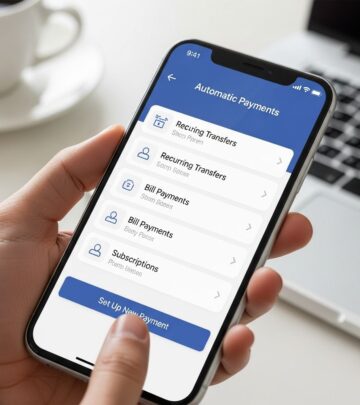
Setting up autopay via your servicer’s portal—such as Edfinancial—takes minutes and defaults to minimum payments, with options to allocate extra toward specific loans. This flexibility accelerates payoff on high-interest balances while enjoying the rate discount.
| Scenario | Without Autopay | With Autopay (0.25% Reduction) |
|---|---|---|
| $31,000 loan, 5% interest, 15 years | $245/month, $44,000 total | ~$243/month, ~$43,800 total (savings ~$200) |
| RAP example, $50k AGI | $167/month | $166/month + interest waiver benefits |
Calculations approximate; actual savings vary by servicer and loan details.
Navigating 2026 Federal Student Loan Updates
Starting July 1, 2026, the Standard Plan adjusts terms by outstanding principal—shorter for smaller balances—while RAP bases payments on income, waiving unpaid interest to prevent balance growth. For a borrower with $200 monthly interest but $10 RAP payment, the excess $190 is forgiven monthly.
Existing borrowers retain current plans if no new loans are taken, but post-2026 borrowing triggers the new system. Autopay remains compatible, offering its 0.25% perk across plans where eligible.
- Standard Plan: Term based on principal amount.
- RAP: Income percentage, interest cancellation.
- Grad PLUS elimination for new borrowers.
Eligibility Rules and Setup Process
Not all situations qualify for autopay. Loans in deferment, forbearance, or paid ahead still draft unless canceled, but no rate reduction applies during pauses. Confirm status via your servicer’s online account.
To enroll:
- Log in or create an account at your servicer site (e.g., Edfinancial).
- Navigate to Auto Pay section.
- Select bank account and payment amounts.
- Activate for immediate benefits.
During on-ramp periods or Fresh Start, manual oversight may complement autopay for optimal relief.
Maximizing Savings with Strategic Payments
Combine autopay with bi-weekly half-payments to cut interest further, as each payment targets principal sooner. Under RAP, this pairs with interest waivers for low-income filers—$0 payments possible up to 225% poverty line.
For families, Parent PLUS caps and exemptions on farm/small business assets in FAFSA ease future borrowing. Track via tools like Fidelity’s planners.
Risks and Best Practices
Ensure sufficient funds to avoid overdrafts. Monitor statements quarterly, as autopay doesn’t pause automatically for life changes—request deferments manually. With 2026 transitions, recertify IDR by February 2026 deadlines if applicable.
FAQs
Does autopay work with RAP?
Yes, most servicers offer the 0.25% reduction on RAP payments during repayment.
What if my loan is in forbearance?
Autopay pauses, but manual payments are allowed.
Can I adjust autopay amounts?
Yes, customize per loan during setup.
Are savings guaranteed in 2026 plans?
Rate reductions persist where offered; RAP adds interest forgiveness.
How does autopay affect credit?
Positive impact via on-time payments; no delinquency risk.
References
- Auto Pay – Edfinancial Services — Federal Student Aid. Accessed 2026. https://edfinancial.studentaid.gov/auto-pay
- Changes to Federal Student Loan Repayment in 2026 — Edvisors. 2026. https://www.edvisors.com/blog/changes-to-federal-student-loan-repayment-in-2026/
- Student Loan Repayment — Congresswoman Suzanne Bonamici (house.gov). 2026. http://bonamici.house.gov/services/student-loan-repayment
- Federal Student Loans in 2026: One Big Beautiful Bill — Citizens Bank. 2026. https://www.citizensbank.com/learning/how-the-one-big-beautiful-bill-act-affects-students.aspx
- What is the Repayment Assistance Plan? — Fidelity Investments. 2026. https://www.fidelity.com/learning-center/personal-finance/repayment-assistance-plan
- Update on Federal Loan Changes Beginning in 2026 — TCNJ Financial Aid. 2026. https://financialaid.tcnj.edu/update-on-federal-loan-changes-beginning-in-2026/
Similar Articles








Read full bio of Sneha Tete