Autopay and Your Credit Score
Discover how setting up automatic bill payments can safeguard your credit score by ensuring timely payments and avoiding costly mistakes.

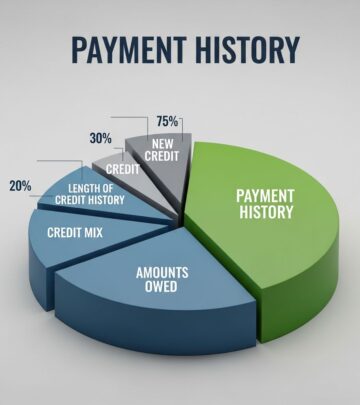
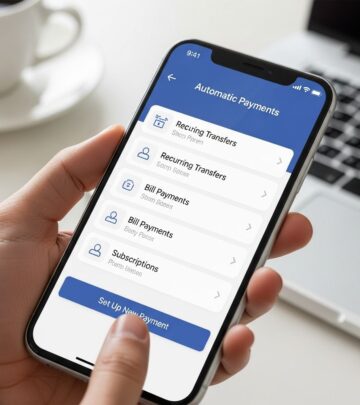
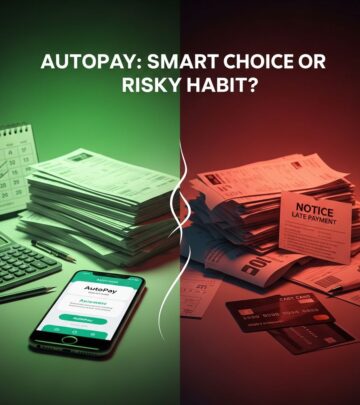
Automatic bill payments, or autopay, streamline your finances by deducting payments directly from your bank account on scheduled dates. This method primarily benefits your credit score indirectly by promoting consistent on-time payments, which constitute 35% of your FICO score and around 40% of VantageScore. By eliminating the risk of forgetting due dates, autopay helps build a robust payment history—the cornerstone of credit health.
Why Payment History Dominates Credit Scoring
Payment history tracks whether you pay bills as agreed, influencing lenders’ trust in your reliability. FICO scores allocate 35% to this factor, outpacing amounts owed (30%), credit history length (15%), credit mix (10%), and new credit (10%). VantageScore weights it even higher at about 40%. A single late payment, reported after 30 days past due, can drop scores significantly—up to 180 points for high scorers if over 90 days late, per FICO data.
Late marks linger for seven years on reports from Experian, TransUnion, and Equifax, though their impact fades over time. On-time payments, conversely, strengthen your profile, potentially raising scores over months or years.
Direct vs. Indirect Benefits of Autopay
Autopay does not inherently boost scores more than manual payments if both arrive on time; what matters is timeliness, not the method. Lenders and credit card issuers offering autopay report these to bureaus, ensuring positive history builds automatically.
For non-traditional bills like utilities, rent, or telecoms—often not reported—autopay alone won’t help unless paired with services like Experian Boost. This free tool scans bank data for on-time utility and phone payments, adding them to your Experian report for instant FICO score gains, especially for those with thin files.
Practical Advantages Beyond Credit
- Avoid Late Fees: Creditors charge fees for payments even one day late, inflating balances.
- Utility Discounts: Some providers offer rebates for autopay enrollment.
- Time Savings: Reduces manual tracking, freeing focus for financial planning.
- Score Stability: Consistent payments prevent dips from human error.
During high-spend periods like vacations, autopay maintains discipline without daily checks.
Potential Pitfalls and Mitigation Strategies
Insufficient funds pose the greatest risk: failed withdrawals trigger overdraft fees from banks and late fees from creditors, potentially leading to negative reports if unresolved. Overdraft protection adds costs via interest.
| Risk | Consequence | Mitigation |
|---|---|---|
| Low Bank Balance | Overdraft + Late Fees | Monitor balances; set alerts. |
| Variable Bill Amounts | Overpayment/Underpayment | Use minimum payment autopay; pay excess manually. |
| Due Date Mismatch | Late Reporting | Schedule 3-5 days early. |
| Account Changes | Failed Setup | Update payment info promptly. |
Regular reviews—weekly balance checks and monthly statements—prevent surprises. Pause autopay during irregular cash flows, resuming post-stabilization.
Enhancing Autopay with Credit-Building Tools
Combine autopay with innovations for amplified effects:
- Experian Boost: Adds positive utility/phone history; average 13-point FICO increase, higher for thin-file users.
- UltraFICO: Links bank activity to scores, rewarding positive balances alongside payments.
- Bank Reporting Programs: Some institutions report checking/savings on-time payments.
For renters, services scanning lease payments offer similar boosts, though less widespread.
Step-by-Step Guide to Implementing Autopay Safely
- Assess Bills: Prioritize credit-related ones (loans, cards); extend to utilities via Boost.
- Choose Payment Amount: Minimum for autopay, balance manually to control spending.
- Select Timing: 3-5 days before due date accounts for processing.
- Link Stable Account: Use checking with buffers; avoid high-fee banks.
- Enable Notifications: Bank alerts for low balances and withdrawals.
- Test First Payment: Manual first month, then automate.
- Review Quarterly: Verify setups, update for changes.
Who Benefits Most from Autopay?
New credit users or those with thin files gain via added data points. Busy professionals avoid lapses; forgetful payers prevent damage. Even strong scorers maintain perfection, crucial for premium rates.
Thin-file individuals see outsized Boost gains, turning everyday bills into score builders.
Comparing Autopay to Manual Payments
| Aspect | Autopay | Manual |
|---|---|---|
| On-Time Rate | High (if funded) | Variable (forgetfulness risk) |
| Credit Impact | Positive history builder | Potential negatives |
| Effort | Low after setup | High (tracking needed) |
| Flexibility | Medium (pausable) | High (adjustable) |
| Fees Risk | Overdraft if unfunded | Late fees if missed |
Autopay excels for reliability; manual suits precise control.
Long-Term Financial Strategy Integration
Incorporate autopay into debt payoff: minimums on all, extras on high-interest. Track via apps syncing accounts. As scores rise, access better rates, accelerating progress.
Pair with budgeting: allocate bill dates to pay cycles, building emergency funds against shortfalls.
Frequently Asked Questions
Does autopay directly raise my credit score?
No, but it ensures on-time payments, indirectly boosting scores via payment history.
Can autopay hurt my score?
Yes, if insufficient funds cause failed payments leading to lates.
What bills should I put on autopay?
Credit cards, loans first; utilities with Boost.
How soon does Experian Boost work?
Instantly upon verification, with ongoing updates.
Is autopay safe from fraud?
Generally yes; monitor statements and use trusted providers.
Final Thoughts on Optimizing Credit with Autopay
Autopay transforms payment reliability into credit strength when managed vigilantly. By preventing lates and leveraging tools like Boost, it fortifies scores against common pitfalls, paving paths to financial opportunities.
References
- How do automatic bill payments affect your credit score? — CreditCards.com. 2023. https://www.creditcards.com/credit-management/automatic-bill-payments-credit-score/
- Can Automatic Bill Payments Help My Credit Score? — Experian. 2024-01-15. https://www.experian.com/blogs/ask-experian/can-automatic-bill-payments-help-my-credit-score/
- Do Automatic Payments Help My Credit Scores? — Capital One. 2024. https://www.capitalone.com/learn-grow/money-management/do-automatic-payments-help-credit-score/
- How automatic payments can help you build better credit — Loqbox. 2023. https://www.loqbox.com/en-us/blog/how-automatic-payments-can-help-build-credit
- How Paying Bills Can Affect Your Credit Score — American Express. 2024-02-20. https://www.americanexpress.com/en-us/credit-cards/credit-intel/paying-bills-can-affect-credit-score/
Similar Articles








Read full bio of medha deb