Understanding Automotive Wheel Components
Learn the essential differences between wheels, rims, and tires for better vehicle maintenance.
When discussing vehicle maintenance and upgrades, terminology matters significantly. Many drivers use the terms ‘wheel’ and ‘rim’ interchangeably, but these components serve distinct purposes within your vehicle’s rolling system. Clarity on these differences helps you communicate effectively with mechanics, make informed purchasing decisions, and understand what needs attention during maintenance routines.
The Complete Wheel Assembly Explained
A wheel represents the entire metal structure responsible for connecting your vehicle to the road surface. This assembly is far more complex than many drivers realize, comprising multiple interconnected parts that work together to enable motion, support vehicle weight, and maintain stability during acceleration, braking, and cornering.
Modern wheels are typically constructed from steel or aluminum alloys, with manufacturers selecting materials based on strength requirements, cost considerations, and weight optimization. Most contemporary passenger vehicles, light trucks, and SUVs utilize one-piece cast or forged wheel structures, which provide superior durability compared to older multi-piece designs.
From an engineering perspective, the Society of Automotive Engineers defines a wheel as a circular component designed to rotate on an axle bearing, transmitting power or enabling motion while minimizing friction. This technical definition underscores the wheel’s critical role in vehicle operation.
Essential Components of Your Wheel
Understanding individual wheel components helps you identify problems and discuss repairs with automotive professionals. Each element contributes to overall wheel function and vehicle safety.
The Rim’s Critical Role
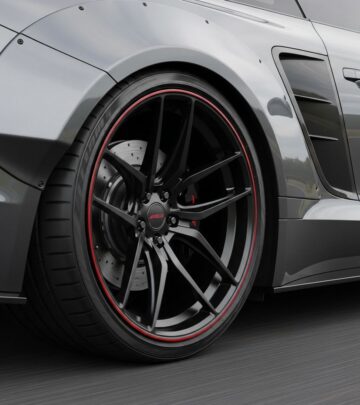
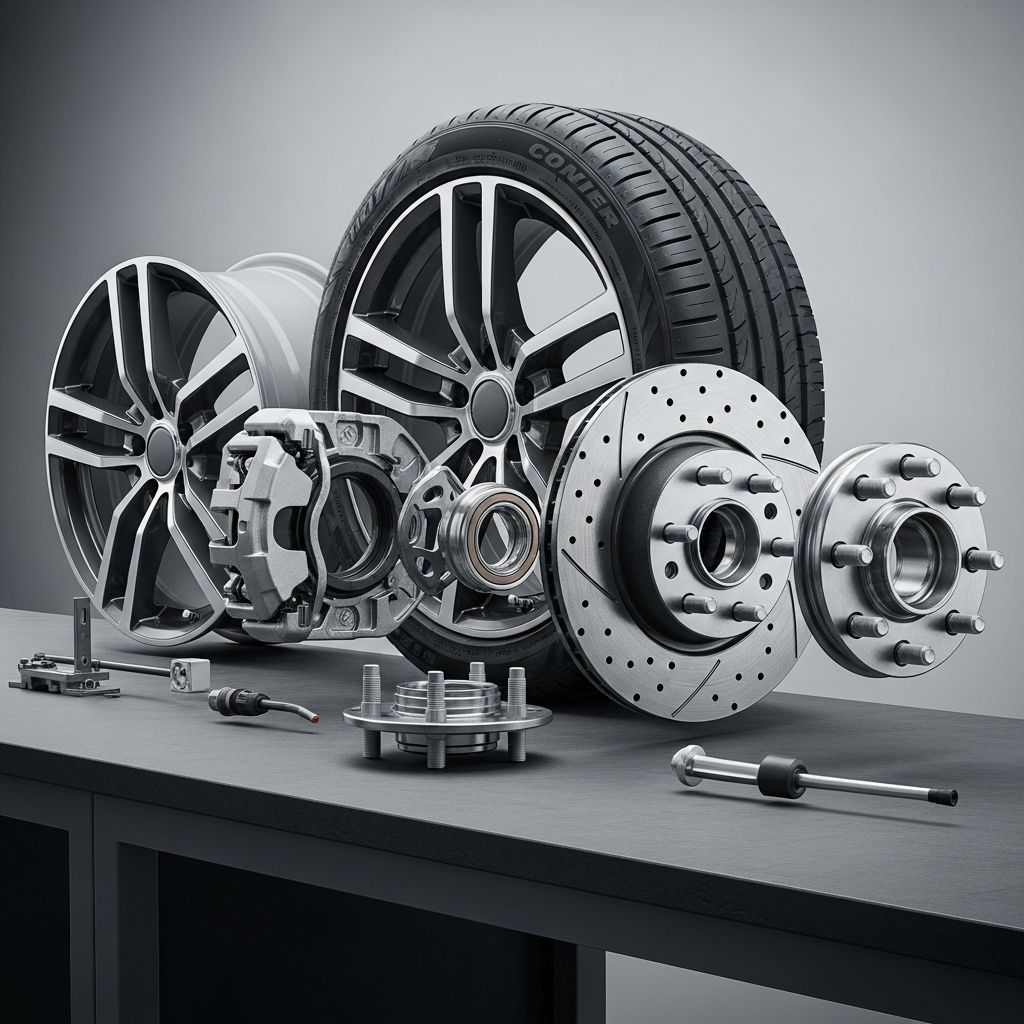
The rim represents the outer circular edge of the wheel, functioning as the mounting surface where your tire seats. This component maintains structural integrity and creates an airtight seal with the tire bead, which is the inner edge of the tire that contacts the rim. The rim’s U-shaped profile, deeper in the center and shallower at the edges, provides optimal support for tire mounting and pressure maintenance.
In contemporary alloy wheels, the rim is not a separate, replaceable component but rather an integrated part of the wheel’s overall structure. The rim’s width and diameter directly determine which tire sizes can be safely mounted on your vehicle. For example, a 17×8″ rim specification indicates the tire diameter and width compatibility for that particular wheel.
Rims typically feature a Teflon coating that provides additional protection against corrosion and environmental damage. This protective layer extends the rim’s lifespan and maintains its aesthetic appearance despite exposure to road salt, moisture, and harsh weather conditions.
The Hub Assembly
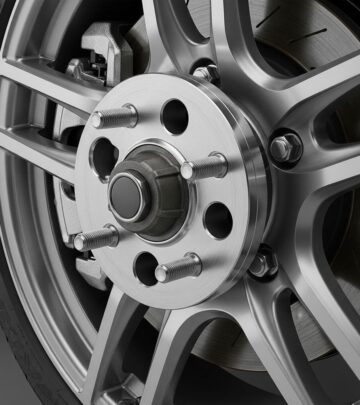
The hub represents the central disc portion of the wheel, functioning as the connection point between the wheel and your vehicle’s axle assembly. This component mounts directly to the vehicle’s axle using lug nuts or bolts, which are visible when you remove a wheel for maintenance or repairs.
The hub houses the bolt pattern, a critical specification that determines whether a wheel is compatible with your specific vehicle make and model. Additionally, the center bore of the hub must precisely match your vehicle’s hub size to ensure safe, secure installation—a configuration known as being hub-centric.
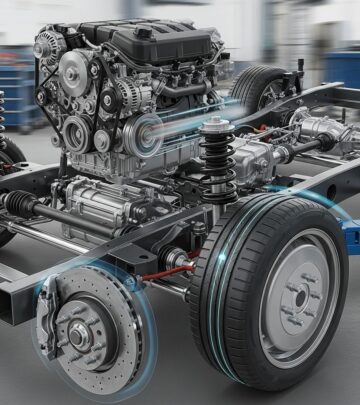
The hub area also serves as the interface point for brake rotors and ABS sensors, which monitor wheel speed and assist in brake system operation. Proper hub alignment ensures these components function correctly and safely.
Spokes and Structural Elements
While modern wheels rarely feature traditional spokes, this term historically referred to the structural elements connecting the hub to the rim. Contemporary wheels typically use a solid design or multi-directional spoke patterns that maximize strength while minimizing weight. The barrel—the inner section between the outboard rim and inside rim—provides additional structural integrity.
The Distinction Between Wheels and Rims
The primary source of confusion in automotive terminology stems from colloquial usage. While people frequently use ‘rims’ as slang for entire wheels, technically the rim represents just one component. A wheel encompasses the rim, hub, spokes or structural elements, and all integrated parts that form the complete assembly.
This distinction becomes particularly important when discussing upgrades or replacements. Modern wheel design integrates the rim and hub as a single unit, making rim-only upgrades impractical in most situations. When you upgrade wheels, you’re replacing the entire assembly, not just the outer edge.
| Component | Function | Material |
|---|---|---|
| Wheel (Complete Assembly) | Supports vehicle weight, enables rotation, connects to axle | Steel or aluminum alloy |
| Rim (Outer Edge) | Holds tire in place, maintains air pressure seal | Integrated with wheel material plus Teflon coating |
| Hub (Center) | Connects wheel to vehicle axle, houses bolt pattern | Steel or aluminum alloy |
Wheels Versus Tires: Complementary Components
Another common source of confusion involves distinguishing wheels from tires. These components are fundamentally different, both structurally and functionally. The wheel is the metal structure that supports and moves the vehicle, while the tire is the rubber covering that provides traction and absorbs road shocks.
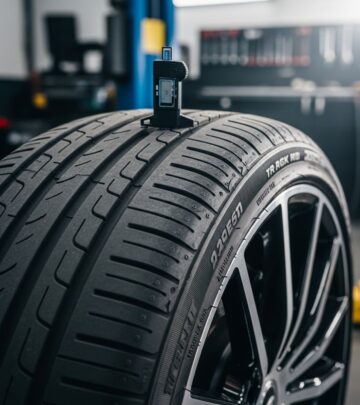
Tires consist of rubber compounds engineered with specific tread patterns, grooves, and sidewall designs to match particular driving conditions. The tire bead—the inner edge that sits against the rim—creates the seal maintaining air pressure inside tubeless tires. This air pressure directly affects fuel efficiency, safety, and tire lifespan.
Wheels and tires serve distinct maintenance requirements. Wheels need regular cleaning to prevent corrosion and periodic inspections for damage, while tires require checks for tread wear, pressure levels, and potential punctures.
Why Terminology Matters in Practice
Understanding these distinctions proves valuable in multiple real-world scenarios. When communicating with mechanics, using correct terminology ensures you’re discussing the specific components needing attention. If your vehicle pulls to one side or exhibits vibration during steering, the issue might involve wheel alignment, rim damage, or tire problems—each requiring different diagnostic approaches and repairs.
The cultural prevalence of calling wheels ‘rims’—particularly in the United States—stems from media, music, and marketing influences. In everyday conversation, this informal usage is widely understood. However, when making purchasing decisions or discussing technical issues, precision in language prevents misunderstandings and ensures you receive appropriate service.
Load-Bearing Capacity and Performance
Wheel assemblies bear substantial loads during vehicle operation. A standard wheel and tire assembly on a pickup truck typically supports approximately 900–1,200 pounds per corner, distributed across the wheel’s structural components. This load-bearing responsibility necessitates robust construction and periodic inspection for damage.
The wheel performs multiple critical functions simultaneously:
- Transfers engine power to the ground in driven wheels
- Supports the vehicle’s complete weight distribution
- Maintains traction and directional stability
- Provides the mounting base for brake system components
- Absorbs bumps and vibrations as the initial suspension interface
- Transfers braking and steering forces to the road surface
- Maintains air pressure in tubeless tire systems
Identifying and Addressing Rim Damage
Because rims experience direct contact with road hazards, they’re vulnerable to damage from potholes, curbs, and debris. While some rim damage remains invisible—hidden beneath the tire and brake assembly—visible indicators include bent metal, cracks, or separation from the wheel structure.
Damaged rims create several safety concerns. If rim damage goes unrepaired, metal portions of the wheel assembly can rub against the tire, potentially causing blowouts or requiring constant tire inflation. This constant deflation indicates compromised rim integrity and demands immediate attention.
Vibration when steering, unexpected changes in vehicle handling characteristics, or tires that repeatedly lose pressure all suggest possible rim damage. These warning signs necessitate professional inspection and potential wheel replacement to ensure continued safe vehicle operation.
Wheel Upgrades and Modifications
Many vehicle enthusiasts pursue wheel upgrades for both performance and aesthetic reasons. When selecting new wheels, understanding component relationships becomes essential. A full wheel upgrade replaces the entire assembly with a new design, potentially improving appearance, reducing unsprung weight, or enhancing performance characteristics.
Rim-only modifications aren’t practical in modern vehicles where the rim is integrated into the wheel structure. Any significant wheel modifications require replacing the complete assembly rather than upgrading individual components. This integration ensures structural integrity and proper load distribution across the wheel design.
Hubcaps and Wheel Covers
Hubcaps represent another frequently misunderstood component. These decorative covers snap over the central portion of some steel wheels, protecting the lug nuts and bolt assembly. Hubcaps serve a purely cosmetic function in most cases, though they provide minor protection against weather conditions and rust.
Modern alloy wheels typically don’t use hubcaps, instead featuring integrated design elements that eliminate the need for removable covers. Wheel covers—distinct from hubcaps—protect the entire wheel surface rather than just the central hub area.
The Mounting and Balancing Process
When installing a tire on a wheel, the process is called mounting. After mounting, a balancing procedure typically follows to ensure the wheel-tire combination spins evenly and safely. Balancing weights are attached to the wheel at specific points to counteract uneven weight distribution, preventing vibration during operation.
Proper balancing contributes to tire longevity, fuel efficiency, and ride comfort. Unbalanced wheels create vibration that accelerates tire wear and can cause steering wheel vibration at highway speeds.
Frequently Asked Questions
Are wheels and rims synonymous terms?
Not technically. A wheel comprises the complete metal assembly including rim, hub, and structural elements, while the rim is simply the outer edge that holds the tire. However, colloquial usage frequently treats these terms as interchangeable, particularly in casual automotive discussions.
What’s the difference between a hubcap and a wheel?
Wheels are structural components that support vehicle weight and enable motion. Hubcaps are decorative covers that protect the central wheel area and lug nuts. Hubcaps are optional accessories that snap or bolt onto wheels, whereas wheels are essential vehicle components.
Can you upgrade just the rim without replacing the entire wheel?
In most modern vehicles, no. The rim is integrated into the wheel structure as a single unit. Upgrading wheels requires replacing the complete assembly rather than individual components.
How often should wheels be inspected?
Wheels should be inspected regularly during routine maintenance, at least annually or whenever you notice unusual vibration, pulling, or handling changes. Professional inspections during tire rotations help identify damage early.
What causes rim damage?
Potholes, curbs, road debris, and harsh driving conditions commonly cause rim damage. Impact damage can bend the rim, crack the structure, or separate components, necessitating replacement for safety.
Practical Maintenance Recommendations
Proper wheel and tire maintenance extends component lifespan and ensures reliable vehicle operation. Regular cleaning removes road salt and corrosive substances that accelerate deterioration. Periodic inspections identify damage before it becomes hazardous.
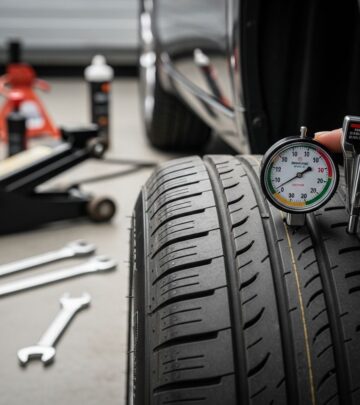
Maintaining correct tire pressure—as specified in your vehicle’s documentation—optimizes fuel efficiency and tire wear while ensuring proper wheel and tire function. During tire rotations, professional technicians can visually inspect wheels for damage and recommend repairs.
When replacing tires, ensure new tires match the size specifications determined by your wheel’s rim diameter and width. Improper tire sizing can affect handling, fuel efficiency, and safety.
References
- Rims vs Wheels: What’s the Real Difference and Why It Matters? — Dually Wheels. 2024. https://www.duallywheels.com/blogs/guide/rims-vs-wheels-vs-tire-difference
- Rims vs Wheels, What is the Difference? — Tire Agent. 2024. https://www.tireagent.com/blog/wheels-vs-rims-vs-tires-car-wheel-anatomy
- Wheels vs. Tires: Key Differences — Wheels Doctor. 2024. https://wheelsdoctor.com/is-it-wheels-or-tires/
- Rims vs. Wheels: What’s the Difference? — Capital One Auto Navigator. 2024. https://www.capitalone.com/cars/learn/finding-the-right-car/rims-vs-wheels-whats-the-difference/2119
- The Difference Between Rims, Wheels and Hubcaps — Discount Tire. 2024. https://www.discounttire.com/learn/difference-between-rims-wheels-hubcaps
Similar Articles








Read full bio of medha deb