Automatic Payment Discounts: Which Bills Save You Money
Discover which recurring bills reward automatic payments and maximize your savings potential today.
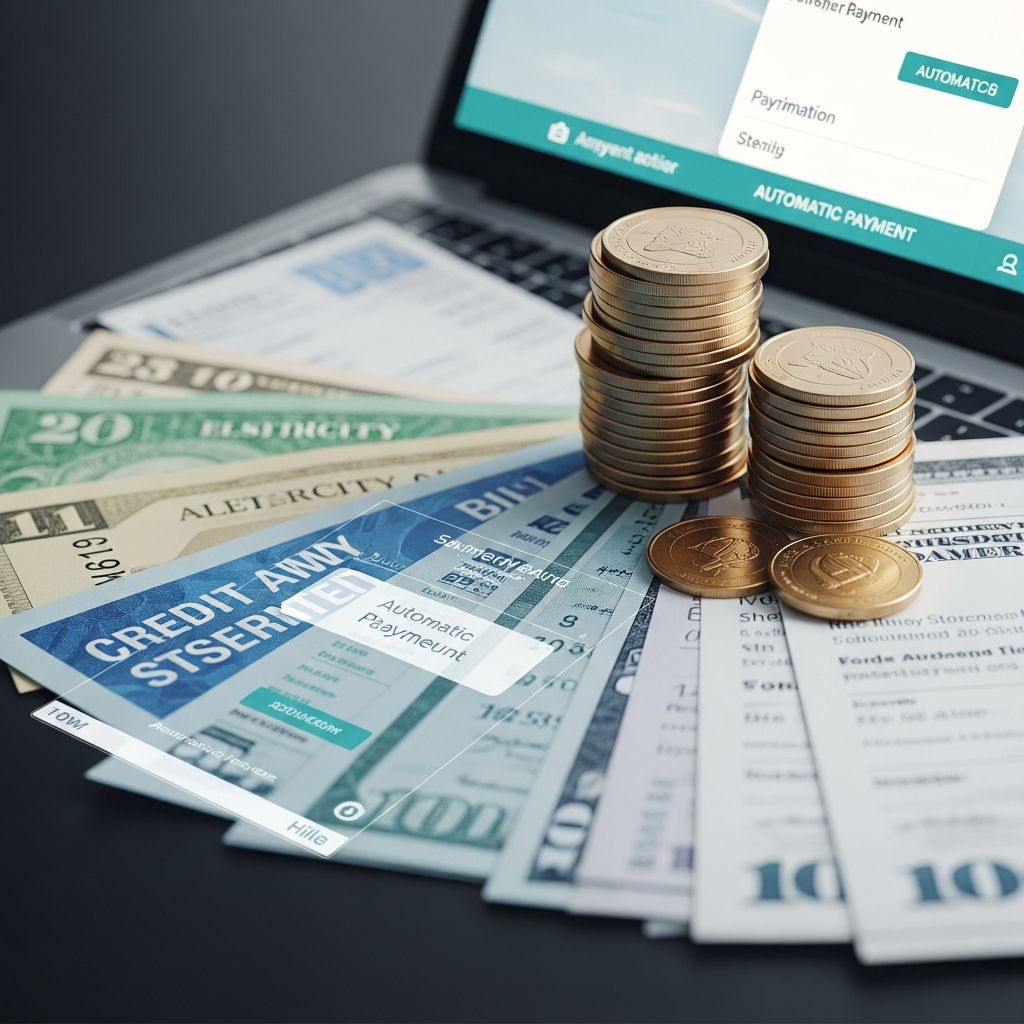
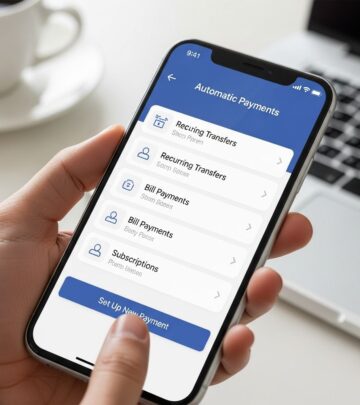
Managing multiple monthly bills can feel overwhelming, but consolidating payments through automatic billing offers more than just convenience—it can also reduce what you owe. Many service providers and lenders incentivize customers to switch to automatic payment by offering meaningful discounts. Understanding which bills reward this choice and how much you can save helps you make informed decisions about your payment strategy.
Understanding Autopay Discount Programs
Automatic payment programs have become increasingly popular as both consumers and businesses recognize mutual benefits. Companies benefit from reduced payment processing costs and improved cash flow, while customers gain convenience and often financial rewards. Many organizations now structure their pricing to encourage autopay enrollment by offering modest but meaningful discounts for customers who opt in.1
The discount structure varies significantly across industries and individual providers. Some businesses offer flat reductions on your monthly bill, while others reduce interest rates or waive certain fees. Payment method also plays a crucial role—many companies now distinguish between different payment types, offering larger discounts for bank account transfers while reducing or eliminating discounts for credit card payments.
Mobile Phone Services: Premium Savings Opportunities
Wireless carriers represent one of the most competitive markets for autopay discounts. Major carriers including Verizon, T-Mobile, and AT&T have all implemented automatic payment incentive programs for their customers.2
AT&T provides a comprehensive autopay discount structure based on payment method:
- Bank account payments: $10 per phone line monthly discount
- Debit card payments: $5 per phone line monthly discount
- AT&T Points Plus Card from Citi: $10 per phone line monthly discount with additional rewards
- Other credit cards: No autopay discount available
For AT&T internet service, the discount structure mirrors wireless, offering $10 for bank accounts or the AT&T branded card, and $5 for debit cards.3 An important qualification: AT&T requires paperless billing enrollment to receive any autopay discount. This two-requirement approach pushes customers toward digital statements while simultaneously lowering operational costs.
The annual savings potential from phone service autopay discounts can be substantial. A household with multiple phone lines using bank account autopay could save $120 to $240 annually simply by enrolling in automatic payments and switching to digital billing statements.
Internet and Cable Television Providers
Broadband and television service providers frequently compete for customers by offering autopay incentives. These discounts typically range from $5 to $10 monthly, similar to wireless carriers.2
The appeal of these discounts extends beyond simple savings. By switching to autopay, customers reduce the risk of late payments that could result in service interruption or penalty fees. Additionally, many providers link autopay enrollment with paperless billing, which streamlines their administrative processes while giving customers a second incentive to make the switch.
For customers with bundled services—combining internet, television, and phone through a single provider—the cumulative discount effect can be even more attractive. A household paying $150 monthly for bundled services might save $10 to $20 each month through autopay, translating to $120 to $240 annually.
Insurance Premiums and Automatic Payment Incentives
Insurance companies have long recognized the value of automatic payments, as they dramatically reduce collection costs and administrative overhead. The autopay discount landscape in insurance varies based on insurance type and company policy.
Auto Insurance: Major carriers including Progressive, State Farm, and Liberty Mutual offer autopay discounts for vehicle insurance. Some insurers provide generous reductions—Liberty Mutual and State Farm reportedly offer discounts up to 15% with automatic payments.4 USAA, a military-focused insurer, offers up to 3% reductions specifically for autopay enrollment. These discounts apply regardless of payment method for some carriers, meaning you can potentially maintain credit card rewards while capturing the autopay benefit.
Home and Renters Insurance: Homeowners and renters can often find similar autopay discounts with their insurance providers. Many companies offer 2-5% reductions for customers who enroll in automatic payment systems.
Life Insurance: Term and whole life insurance policies frequently reward autopay enrollment through small but meaningful premium reductions.
The insurance industry differs from utilities and telecommunications in that many insurers still offer autopay discounts regardless of whether you pay by checking account, debit card, or credit card. This flexibility allows customers to maintain their credit card reward programs while still capturing autopay savings.
Student Loan Autopay Programs
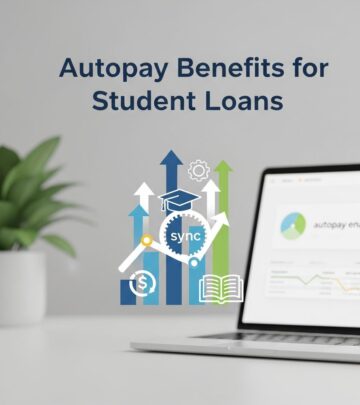
Federal and private student loan programs have standardized autopay incentives as part of their borrower benefit structures. Rather than reducing the monthly payment amount, student loan autopay discounts typically reduce your interest rate.2
The standard interest rate reduction for autopay enrollment is 0.25%, which might seem modest but compounds significantly over a multi-year loan repayment period. For a borrower with $50,000 in student loans at 5% interest, a 0.25% autopay reduction saves substantial money across the life of the loan.
Federal student loans administered through programs like Direct Loans commonly offer this benefit, and many private lenders have adopted the same approach to remain competitive. This autopay incentive encourages responsible repayment behavior while simultaneously reducing default risk for lenders.
Auto Loans and Credit Products
Vehicle financing represents another significant expense category where autopay discounts apply. Car loans from banks, credit unions, and captive lenders frequently offer small discounts for automatic payment enrollment.2
Like student loans, auto loan autopay incentives often manifest as interest rate reductions rather than payment amount decreases. These programs simultaneously reduce lender risk and operational costs while incentivizing timely payments from borrowers.
Comparing Payment Methods and Discount Eligibility
A critical consideration when evaluating autopay discounts involves understanding which payment methods qualify. Not all companies treat payment methods equally.
| Service Type | Bank Account | Debit Card | Credit Card |
|---|---|---|---|
| Wireless Carriers (AT&T) | $10/line | $5/line | Co-branded card only |
| Internet/Cable | $5-$10 | $5-$10 | Varies by provider |
| Auto Insurance | Varies | Varies | Often available |
| Student Loans | 0.25% rate reduction | 0.25% rate reduction | 0.25% rate reduction |
Major telecommunications carriers have shifted away from offering autopay discounts for standard credit cards, instead reserving full discounts for bank account transfers or co-branded credit cards. This strategy reflects the lower processing costs associated with Automated Clearing House (ACH) transfers compared to credit card transactions.5
For customers seeking to balance autopay savings with credit card rewards, understanding these distinctions becomes essential. Some providers offer co-branded credit cards that qualify for full autopay discounts while simultaneously earning rewards points or cash back, providing a middle ground between maximum savings and reward accumulation.
Calculating Your Total Annual Savings
To determine the actual financial impact of autopay enrollment, consider your household’s complete bill portfolio:
- Wireless service: $10-$60 monthly (depending on line count)
- Internet/cable: $5-$10 monthly
- Auto insurance: varies widely, potentially $15-$50+ monthly
- Student loans: interest rate savings on entire balance
- Auto loans: interest rate savings on entire balance
A household that consolidates multiple bills under autopay could easily save $50-$150 monthly, translating to $600-$1,800 annually. When combined with interest rate reductions on larger loans, the cumulative benefit becomes even more substantial.
Important Considerations and Potential Drawbacks
While autopay discounts provide genuine savings opportunities, several considerations warrant attention:
- Changing Payment Methods: If you need to update your payment information—such as replacing an expired debit card—ensure you maintain continuous autopay status to preserve discount eligibility
- Additional Fees: Some utility providers charge transaction fees for credit card autopay that can offset any discount savings
- Insufficient Funds Risk: Autopay requires maintaining adequate account balances to prevent failed transactions and associated fees5
- Billing Disputes: Automatic payments may complicate resolving billing errors, requiring proactive account monitoring
- Rate Changes: Discount terms may change, and companies may modify programs with advance notice
Maximizing Your Autopay Benefits
To optimize your autopay strategy, consider these recommendations:
- Audit all recurring monthly bills to identify which ones offer autopay discounts
- Prioritize enrolling high-value bills—phone service, internet, insurance—where discounts are typically largest
- Choose payment methods that balance maximum discounts with other financial goals like credit card rewards
- Set calendar reminders to review billing statements monthly and verify charges remain accurate
- Monitor for service provider promotions that may enhance autopay incentives
- Consider co-branded credit cards if available, as they often preserve autopay discounts while earning rewards
Frequently Asked Questions
Do all companies offer autopay discounts?
No. While many utilities, telecommunications companies, lenders, and insurers offer autopay incentives, some businesses—particularly streaming services and gym memberships—do not provide discounts for automatic payment enrollment.
Can I earn credit card rewards while receiving autopay discounts?
This depends on your service provider’s policies. Some companies offer autopay discounts on co-branded credit cards, allowing you to capture both benefits. Others have eliminated credit card autopay discounts entirely. Check your provider’s specific terms.
What happens if I miss a payment when autopay fails?
If insufficient funds cause an autopay transaction to fail, you may face NSF fees from your bank plus late fees from the service provider. Maintaining an adequate account buffer and setting up payment alerts can prevent this scenario.
Can autopay discount rates change?
Yes. Service providers may modify their discount programs, typically providing customer notice before implementation. Review your billing statements regularly to confirm discount amounts remain consistent.
Is paperless billing required for all autopay discounts?
Paperless billing is commonly required by telecommunications companies but not universal across all industries. Insurance and loan providers frequently offer autopay discounts without mandating paperless billing.
Conclusion: Strategic Bill Management Through Autopay
Automatic payment programs represent a straightforward method to reduce your monthly expenses while simultaneously improving payment reliability. By systematically enrolling your major recurring bills—wireless service, internet, insurance, and loans—in autopay programs, most households can capture meaningful annual savings ranging from several hundred to over a thousand dollars.
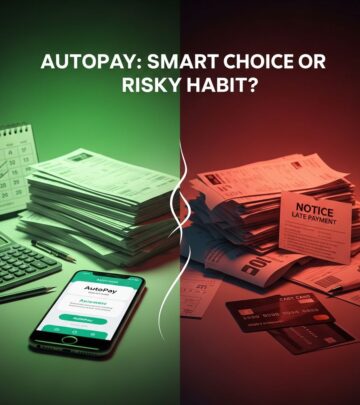
The key to maximizing these benefits involves understanding each provider’s discount structure, payment method requirements, and any qualification conditions like paperless billing. While autopay introduces some considerations around account monitoring and insufficient fund risks, the financial advantages for most households substantially outweigh these minor administrative requirements.
Taking the time to audit your current bills, identify autopay opportunities, and select payment methods that balance savings with other financial goals represents an efficient use of your financial management effort. The resulting savings accumulate throughout the year, providing material improvement to your household budget with minimal ongoing effort once enrollment is complete.
References
- The Pros and Cons of Using Autopay — Stoddard Financial. https://www.stoddardfinancial.net/autopay-pros-cons/
- 6 Bills That Offer Autopay Discounts — Experian. https://www.experian.com/blogs/ask-experian/bills-that-offer-autopay-discounts/
- AT&T AutoPay Discount, Setup & More — AT&T. https://www.att.com/deals/autopay-discount/
- Best Auto-Pay Insurance Discounts in 2026 — Clearsurance. https://clearsurance.com/blog/best-auto-pay-insurance-discounts/
- How to Keep Your Autopay Discounts Without Losing Credit Card Rewards — Monee App. https://monee-app.com/blog/how-to-keep-your-autopay-discounts-without-losing-credit-card-rewards/
- CFPB Consumer Rights Information — Consumer Financial Protection Bureau. https://www.consumerfinance.gov/
Similar Articles








Read full bio of Sneha Tete