Automate Wealth: Recurring Transfers for Smart Investing
Discover how automated recurring transfers can simplify investing, harness dollar-cost averaging, and build long-term wealth effortlessly.

Recurring transfers represent a straightforward yet powerful method to consistently fund investment accounts from checking or savings accounts, fostering steady portfolio growth without constant manual intervention. This approach aligns perfectly with long-term financial planning by promoting discipline and capitalizing on market efficiencies.
Understanding the Mechanics of Automated Funding
At its core, a recurring transfer involves scheduling fixed-amount moves from a primary bank account to an investment vehicle on a predetermined schedule, such as weekly, bi-weekly, or monthly. This automation mirrors direct deposit setups but channels funds toward assets like mutual funds, ETFs, or retirement plans instead of everyday spending.
Two prominent implementations stand out: Periodic Investment Plans (PIPs), where set sums flow regularly into diversified holdings, and Dividend Reinvestment Plans (DRIPs), which automatically plow dividend payouts back into additional shares. Both mechanisms ensure capital remains productively engaged, amplifying returns through continuous reinvestment.
| Transfer Type | Description | Ideal Use Case |
|---|---|---|
| PIPs | Fixed periodic deposits into funds or stocks | Building core portfolio positions |
| DRIPs | Automatic reinvestment of dividends | Enhancing compounding in income-generating assets |
| Paycheck-Linked | Tied to income cycles for retirement accounts | Employer-sponsored plans like 401(k)s |
Implementation is typically seamless via online banking portals or brokerage platforms, requiring only initial setup of amount, frequency, and destination account.
Key Advantages Driving Portfolio Expansion
Adopting recurring transfers unlocks multiple synergistic benefits that compound over time, transforming sporadic saving into a robust wealth-building engine.
Streamlined Operations and Discipline
Automation eliminates the friction of manual transactions, ensuring contributions occur rain or shine. This ‘set it and forget it’ model frees mental bandwidth for higher-level strategy while enforcing savings priority—effectively paying yourself first each cycle.
- Reduces oversight errors and procrastination.
- Integrates seamlessly with payroll for effortless retirement funding.
- Builds habitual investing, mirroring autopay for bills but for growth assets.
Emotional Neutrality in Volatile Markets
Market swings often trigger fear or greed, prompting ill-timed buys or sells. Recurring transfers sidestep this by committing funds mechanically, regardless of headlines or price fluctuations, fostering a disciplined, long-horizon mindset.
Harnessing Dollar-Cost Averaging Dynamics
Dollar-cost averaging (DCA) is the hallmark edge: investing fixed sums periodically buys more shares during dips and fewer at peaks, smoothing average entry costs over time. This mitigates timing risk, particularly beneficial in unpredictable equities.
For instance, during downturns, DCA acquires assets at discounted rates; in uptrends, it tempers overexposure. Historical simulations show DCA often rivals or outperforms lump-sum in choppy conditions, preserving capital while capturing rebounds.
Accelerated Compounding Through Consistency
Regular infusions maximize time in the market, where compounding—earnings on earnings—thrives. Delays erode this edge; even modest weekly transfers snowball substantially over decades via reinvested gains.
Efficiency Gains and Behavioral Wins
Beyond mechanics, this strategy curtails budgeting drudgery and curbs impulse spending by ring-fencing funds pre-arrival. It also facilitates scaling large windfalls (e.g., bonuses) via phased transfers, blending lump-sum scale with DCA prudence.
Strategic Applications Across Financial Goals
Recurring transfers adapt to diverse objectives, from emergency buffers to legacy planning.
- Retirement Ramp-Up: Link to 401(k) or IRA for tax-advantaged growth, auto-escalating contributions annually.
- Education Funding: Target 529 plans with monthly drips to outpace tuition inflation.
- Wealth Diversification: Allocate across ETFs, bonds, or robo-advisors for balanced exposure.
- High-Income Handling: Stagger tax refunds or incentives into investments over quarters.
Robo-advisors enhance this by dynamically adjusting allocations alongside transfers, optimizing for risk tolerance and milestones.
Navigating Potential Drawbacks Thoughtfully
While potent, recurring transfers aren’t flawless. Lump-sum investing occasionally trumps DCA in relentless bull markets by maximizing early exposure. Overfunding amid liquidity crunches risks overdrafts, underscoring cash flow buffers.
Market crashes amplify short-term paper losses on fresh buys, testing resolve—though long-term data affirms recovery. Mitigation: Maintain 3-6 months’ expenses liquid, review quarterly, and pair with diversified holdings.
| Approach | Pros | Cons | Best Scenario |
|---|---|---|---|
| Lump-Sum | Immediate compounding; higher historical returns | Timing risk; emotional strain | Strong bull markets |
| DCA via Recurring | Risk smoothing; behavioral ease | Potential underperformance in rises | Volatile/uncertain periods |
Practical Steps to Launch Your Plan
Getting started demands minimal effort:
- Assess Capacity: Review income, expenses; target 10-20% for investing post-emergency fund.
- Select Vehicles: Choose low-fee index funds/ETFs for broad exposure.
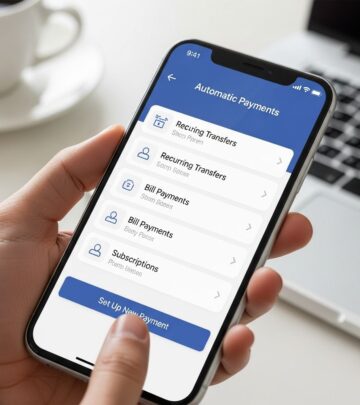
- Configure Transfers: Via bank app—specify source, target, amount, cadence (e.g., post-payday).
- Enable Reinvestment: Opt-in for DRIPs where available.
- Monitor & Adjust: Annual reviews for life changes; automate increases (e.g., 1% raises).
Tools like budgeting apps visualize flows, while employer matches supercharge retirement streams.
Real-World Impact: Growth Projections
Consider a $200 monthly transfer at 7% annual return (historical stock average):
- 10 years: ~$34,000
- 20 years: ~$97,000
- 30 years: ~$226,000
These figures, powered by compounding, underscore consistency’s leverage—even small starts yield outsized results.
Frequently Asked Questions
What if markets crash right after I set up transfers?
DCA shines here: You’ll buy low, positioning for recovery. Stay invested long-term.
Can I adjust or pause transfers easily?
Yes, most platforms allow instant modifications or suspensions without penalties.
Are there fees for recurring transfers?
Often free internally; check brokerage policies for external ACH costs.
How does this work with employer plans?
Seamlessly—set percentage of paycheck for automatic 401(k)/403(b) deductions.
Is this suitable for beginners?
Absolutely; low entry barrier, enforces best practices like diversification.
Elevate Your Transfers for Maximum Effect
Advanced tweaks include goal-specific funnels (e.g., house down payment vs. retirement), integration with high-yield savings for buffers, or algorithmic advisors for rebalancing. Pair with debt payoff prioritization and insurance reviews for holistic security.
Ultimately, recurring transfers democratize sophisticated investing, turning everyday earners into compounders. Start small, scale smartly, and watch discipline deliver.
References
- Why Setting Up Recurring Transfers Could Be an Effective Investing Strategy — J.P. Morgan Wealth Management (Chase). 2025-08-20. https://www.chase.com/personal/investments/learning-and-insights/article/why-setting-up-recurring-transfers-could-be-a-winning-strategy
- How Recurring Investing Could Help You Save More — Vanguard. Recent (post-2024). https://investor.vanguard.com/investor-resources-education/portfolio-management/making-regular-investments
- Benefits of Investing Regularly and Dollar Cost Averaging — RBC Global Asset Management. Recent. https://www.rbcgam.com/en/ca/learn-plan/investment-basics/how-to-pay-yourself-first/detail
- Recurring Investments — Fidelity. Recent. https://www.fidelity.com/trading/recurring-investments
- 5 Ways To Grow Your Savings With Automatic Transfers — Bankrate. Recent. https://www.bankrate.com/banking/savings/grow-your-savings-with-automatic-transfers/
Similar Articles








Read full bio of medha deb