Auto Repair Costs After Crashes in 2026
Discover real 2026 repair costs post-accident, from minor dings to major frame damage, and how rising prices impact your wallet and insurance.
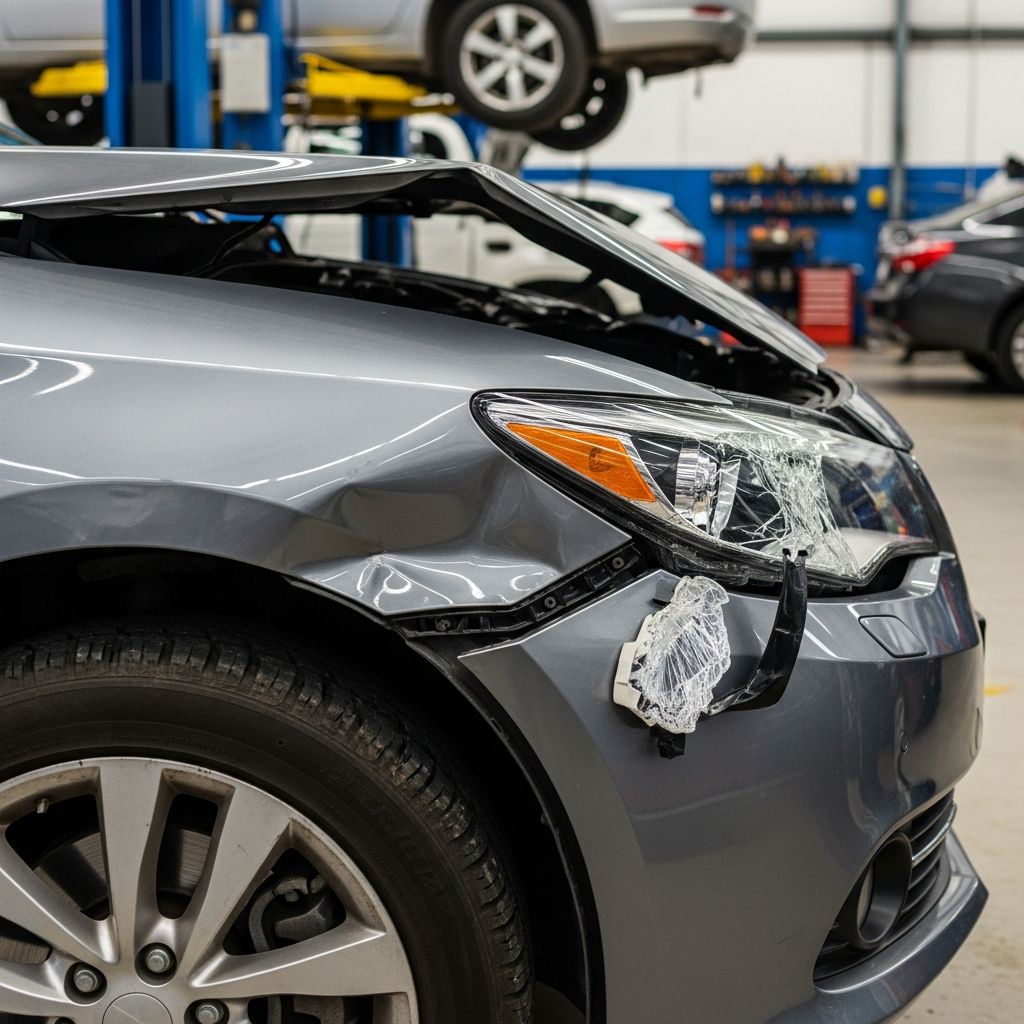
Vehicle collisions remain a leading cause of unexpected expenses for drivers, with repair bills climbing steadily due to inflation, advanced tech, and supply issues. In 2026, the typical collision repair averages around $4,818, up 1.7% from the prior year, driven by 6% higher parts prices and labor demands. This guide details cost ranges by damage severity, explores why bills are surging, compares expenses across car types, and offers practical steps to control outlays.
Damage Categories and Their Price Tags
Repair costs hinge primarily on the extent of damage. Minor surface issues stay affordable, while structural harm balloons figures into five digits. Here’s a breakdown based on current industry data.
| Damage Type | Average Cost Range | Key Notes |
|---|---|---|
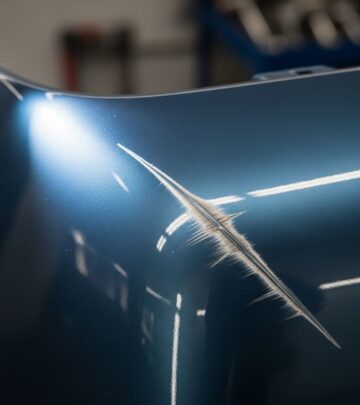
| Surface Scratches & Paint Touch-Ups | $50–$300 | Buffing or quick color match; no paint penetration. |
| Small Dents & Dings | $150–$600 | Paintless dent repair (PDR) avoids repainting. |
| Clear Coat & Paint Jobs | $300–$2,000 | Single panel $300–$1,000; multi-panel blending adds costs. |
| Bumper Fixes or Replacements | $300–$1,500 | Parts $200–$800; hidden damage often discovered. |
| Fender & Door Repairs | $500–$2,500 | Reshaping, filler, paint; blending neighbors extra. |
| Frame & Structural | $1,000–$10,000+ | Frame machines required; total loss likely. |
Most incidents fall in the $1,000–$5,000 sweet spot, covering everyday fender-benders. Luxury finishes like pearlescent or matte paints demand extra labor for matching, hiking tabs by hundreds per panel.
Why Repair Bills Keep Climbing in 2026
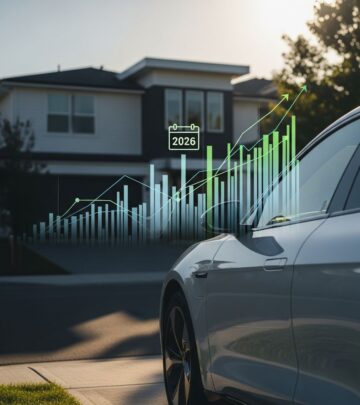
Several forces converge to inflate costs beyond general inflation. U.S. Bureau of Labor Statistics data shows motor vehicle repairs up 196% since 1997, outpacing overall CPI at 3.8% annual rate versus 2.47%. A $500 fix in 1997 equates to $1,474 today.
- Labor Shortages: Skilled technicians are scarce, pushing hourly rates higher amid high demand.
- Parts Inflation: Supply chains, raw materials, and shipping fees elevate bumper, headlight, and panel prices by double digits yearly.
- Tech Complications: Sensors, ADAS cameras, and EVs require post-crash recalibration, turning minor hits into major undertakings.
- Vehicle Complexity: Fewer claims but higher per-claim severity due to intricate designs reshaping shop workflows.
Annual maintenance alone hits $900 per vehicle, per industry reports, with collision work amplifying this trend into 2026.
Vehicle Type Breakdown: Who Pays More?
Economy sedans dodge the highest bills, while luxury and high-performance models command premiums. Kelley Blue Book data reveals stark variances in ownership costs, mirroring repair trends.
| Category | Examples | Avg Annual Repair Cost |
|---|---|---|
| Economy Compact | Kia Soul ($659), Mitsubishi Mirage ($683) | Under $700 |
| Midsize Sedan | Toyota Camry ($1,656), Subaru Legacy ($1,758) | $1,600–$1,800 |
| Compact SUV | Toyota RAV4 ($1,695), Honda CR-V ($1,667) | Around $1,700 |
| Luxury SUV | Tesla Model Y ($2,510), BMW models ($2,000+) | $2,000–$2,500 |
| High-Performance | Chevy Corvette ($2,527), Camaro ($3,086) | Over $2,500 |
Luxury vehicles cost 3x more than economy ones for equivalent damage, due to pricier OEM parts and specialized tools. EVs like Tesla add calibration for battery systems and autonomy features.
Insurance Dynamics: Collision vs. Comprehensive
Post-accident repairs trigger collision coverage for at-fault scenarios or liability from others. Comprehensive handles non-collision events like hail or theft-related damage. Rising repair averages pressure premiums: insurers adjust collision rates upward to match 2026 realities.
Key considerations:
- Deductibles: $500–$1,000 standard; higher ones cut premiums but increase out-of-pocket hits.
- Total Loss Threshold: If repairs exceed 70–80% of vehicle value, insurers declare it totaled.
- Aftermarket Parts: Cheaper alternatives may lower bills but risk quality issues.
- Diminishing Value: Post-repair resale drops; some policies compensate.
Shop around for insurers emphasizing precise valuations amid escalating costs.
Strategies to Minimize Repair Expenses
Proactive moves and smart choices curb financial sting.
- Get Multiple Quotes: Compare 3+ certified shops; variances can exceed 20%.
- Choose OEM or Certified Parts: Balance cost vs. safety, especially for structures.
- Leverage Paintless Repair: Ideal for dents without paint damage—saves 50%+.
- Document Thoroughly: Photos and police reports strengthen insurance claims.
- Consider Paying Cash for Minors: Avoid premium hikes under $2,000 if possible.
- Opt for Higher Deductibles: If emergency fund allows, lowers long-term costs.
For major crashes, frame certification ensures alignment; skipping it risks handling woes.
FAQs: Common Post-Accident Repair Questions
What is the most common collision repair cost range?
Typically $1,000–$5,000 for fender-benders involving bumpers or panels.
Do luxury cars cost more to fix after accidents?
Yes, up to 3x economy models due to parts and paint complexity.
Why are 2026 repairs pricier than before?
Labor shortages, parts inflation, and ADAS recalibrations drive 1.7–6% yearly increases.
Should I file insurance for every scratch?
No; small fixes under deductible may spike rates more than the bill.
How does inflation affect repair prices long-term?
196% rise since 1997, averaging 3.8% yearly—far above general CPI.
Are EVs more expensive to repair post-crash?
Often yes, due to battery safeguards and sensor arrays; examples like Tesla Model Y average $2,510 yearly.
Long-Term Outlook for Collision Repairs
Into late 2026 and beyond, expect sustained upward pressure from workforce gaps, global supply strains, and electrified fleets demanding new skills. Drivers should prioritize safe habits, robust coverage, and vetted shops to navigate this landscape. Annual costs near $900 underscore building repair reserves. Staying informed empowers better decisions when crashes occur.
References
- Collision Repair Costs in 2026: What You’ll Actually Pay — Otto. 2026. https://www.ottofixit.com/insights/collision-repair-costs-2026
- Here’s How Much the Average Car Repair Now Costs — Kelley Blue Book. 2026. https://www.kbb.com/car-advice/average-vehicle-repair-costs/
- Why Auto Repair Costs Are Rising in 2026 And How It Impacts Your Premium — Dehmer Insurance. 2026. https://www.dehmerinsurance.com/post/why-auto-repair-costs-are-rising-in-2026-and-how-it-impacts-your-premium
- Car repair price inflation, 1997→2026 — U.S. Bureau of Labor Statistics (via in2013dollars.com). 2026-03-31. https://www.in2013dollars.com/Motor-vehicle-repair/price-inflation
- Collision Trends: Rising complexity reshaping sector — CCC Intelligent Solutions (via Collision Repair Magazine). 2025. https://www.collisionrepairmag.com/technology/article/15821019/ccc-repair-trends-fewer-claims-rising-complexity-reshape-shop-workloads
Similar Articles








Read full bio of Sneha Tete