Auto Loans vs Personal Loans for Car Buying
Understand the pros, cons, and key differences between auto loans and personal loans so you can choose the best way to finance your next car.
Financing a car usually comes down to two main choices: using a dedicated auto loan or taking out a more flexible personal loan. Each option has different rules, rates, risks, and benefits, and choosing wisely can save you hundreds or even thousands of dollars over the life of the loan.
This guide walks through how both types of loans work, the key differences, and when it makes sense to use each one for a vehicle purchase.
What Is an Auto Loan?
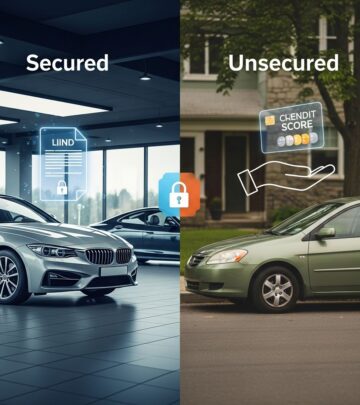
An auto loan is a type of installment loan designed specifically to finance the purchase of a new or used vehicle. The car itself serves as collateral for the loan, which reduces the lender’s risk and usually leads to lower interest rates compared with unsecured personal loans.
How Auto Loans Work
With an auto loan, a lender pays the dealer or seller for the car, and you repay the lender in fixed monthly installments over a set term (often 36–72 months).
- Secured loan: The vehicle secures the loan, giving the lender the right to repossess the car if you stop making payments.
- Typical terms: Around 2–7 years, with some lenders offering longer terms for certain buyers.
- Where you get them: Banks, credit unions, online lenders, and dealership finance departments.
- Common requirement: Many lenders require a down payment or trade-in.
Common Features of Auto Loans
- Lower APRs on average: Because they are secured by the car, auto loans typically have lower interest rates than unsecured personal loans, especially for borrowers with good credit.
- Vehicle restrictions: Many lenders limit auto loans to vehicles under a certain age or mileage, and may not finance very old or high-mileage cars.
- Insurance requirements: Lenders usually require carrying comprehensive and collision coverage (sometimes gap insurance) for the life of the loan to protect their collateral.
What Is a Personal Loan?
A personal loan is a general-purpose installment loan that can be used for many needs, including buying a car, consolidating debt, or covering major expenses. Most personal loans are unsecured, meaning they are not backed by collateral.
How Personal Loans Work
With a personal loan, the lender deposits funds into your bank account, and you are free to use the money according to the loan’s terms. You then repay the loan, with interest, in fixed monthly installments over a defined term.
- Unsecured: Approval and pricing are based primarily on your credit profile, income, and existing debts, rather than an asset like a car.
- Flexible use: Can be used to buy a car, pay fees and taxes, or cover unrelated expenses such as medical bills or credit card consolidation.
- Typical terms: Often 2–7 years, though some lenders offer shorter or longer ranges.
Key Characteristics of Personal Loans
- Higher APRs on average: Because they are typically unsecured and riskier for lenders, personal loans usually carry higher interest rates than comparable auto loans.
- No vehicle restrictions: You can purchase older cars, high-mileage vehicles, or buy from private sellers without the age/mileage limits many auto lenders impose.
- No mandatory full coverage: There is generally no lender requirement for collision or comprehensive insurance, though you must still meet your state’s minimum auto insurance rules.
Auto Loans vs Personal Loans: Key Differences
Although both are installment loans, auto loans and personal loans differ in several important ways that affect cost, eligibility, and risk.
| Feature | Auto Loan | Personal Loan |
|---|---|---|
| Purpose | Specifically for purchasing a vehicle. | General purpose; can be used to buy a car and other expenses. |
| Collateral | Secured by the vehicle; lender can repossess if you default. | Typically unsecured; no specific asset backs the loan. |
| Interest rates (APR) | Generally lower due to collateral. | Generally higher because they are unsecured. |
| Loan amount | Usually tied to car price, taxes, fees, and down payment; upper limits vary by lender. | Can range widely (often up to tens of thousands of dollars) and may exceed a single car’s price. |
| Loan term | Commonly 36–72 months; sometimes longer. | Commonly 24–84 months, depending on lender. |
| Vehicle restrictions | Age and mileage limits are common; some vehicles not eligible. | No specific vehicle restrictions. |
| Insurance requirements | Usually requires comprehensive and collision coverage during the loan term. | No lender requirement for full coverage; only state minimums apply. |
| Down payment | Often expected or required; trade-ins can reduce loan size. | Generally no down payment needed; loan covers full purchase cost. |
| Risk to borrower | Risk of repossession if you default. | No direct risk of losing the car, but default can severely damage credit and lead to collections. |
Pros and Cons of Auto Loans
Advantages of Auto Loans
- Lower interest rates: Because the vehicle serves as collateral, auto loans often come with significantly lower APRs than personal loans, especially for borrowers with good credit profiles.
- Easier to qualify: Lenders may accept lower credit scores for auto loans than for comparable personal loans, since their risk is reduced by the collateral.
- Promotional offers: Dealers and manufacturers sometimes offer special financing, such as 0% APR or cashback rebates, which can make an auto loan the cheapest option overall.
- Higher possible loan-to-value: Some lenders will finance a large portion of the vehicle’s price and related fees, especially if you have strong credit.
Disadvantages of Auto Loans
- Risk of repossession: If you fall behind on payments, the lender can legally repossess the vehicle, potentially with little notice depending on state law.
- Insurance costs: The requirement to carry comprehensive and collision coverage (and sometimes gap insurance) can increase your monthly expenses compared with a paid-in-full vehicle or one financed using a personal loan.
- Vehicle limitations: You might not be able to finance an older car, a high-mileage vehicle, or some private party sales with a standard auto loan.
- Less flexibility in how funds are used: Auto loans are generally restricted to the vehicle purchase and associated fees, not unrelated expenses.
Pros and Cons of Personal Loans for Buying a Car
Advantages of Personal Loans
- Flexibility of use: You can use a personal loan to pay the car price, taxes, registration, repairs, or even non-vehicle expenses in the same loan, subject to lender rules.
- No down payment requirement: Personal loans usually do not require a down payment; the loan can cover the full purchase price if you qualify.
- No collateral on the car: Most personal loans are unsecured, so the lender does not have a direct claim on your vehicle if you default, though they can still pursue collection and report missed payments to credit bureaus.
- Useful for older or high-mileage vehicles: If you want a car that falls outside auto lender rules (for example, over a certain age or mileage), a personal loan may be easier or the only option.
- Buying from a private party: Personal loans can be convenient when buying from a private seller, particularly if your auto lender does not handle private-party sales.
- Insurance flexibility: Because no vehicle is securing the loan, the lender typically cannot require comprehensive and collision coverage, so you may be able to reduce insurance costs (though you must still follow state minimums).
Disadvantages of Personal Loans
- Higher interest costs: Personal loan APRs are generally higher than auto loan APRs, especially for borrowers with average or lower credit scores, which can significantly increase the total cost of financing a car.
- Stricter credit requirements for larger amounts: Because personal loans are unsecured, lenders may require stronger credit and income to approve the same amount you could get with an auto loan.
- Smaller maximum amounts for some borrowers: Your approved amount may fall short of the full vehicle cost if your credit profile or income is limited.
- Temptation to overborrow: Since personal loans are not tied to a specific car price, it may be easier to borrow more than needed, increasing long-term debt.
How Interest Rates and Terms Compare
Loan cost depends heavily on the interest rate and repayment term. Even small differences in APR or term length can change your monthly payment and total interest paid.
Typical APR Ranges
- Auto loans: Frequently offer lower rates than personal loans for the same borrower, especially when the buyer has strong credit and the car is relatively new.
- Personal loans: Rates can range from single digits for highly qualified borrowers to very high rates for those with poor credit, making some personal loans an expensive way to finance a car.
Impact of Loan Term
- Longer terms: Reduce monthly payments but increase the total amount of interest paid over the life of the loan.
- Shorter terms: Increase monthly payments but reduce total interest, allowing you to build equity in the car faster.
Financial institutions and consumer advocates often recommend keeping auto loan terms as short as you can reasonably afford, to avoid paying excessive interest and owing more than the car is worth.
When an Auto Loan Is Usually the Better Choice
Several situations favor choosing an auto loan over a personal loan for car financing.
- You qualify for a low APR based on your credit profile.
- You plan to buy a new or late-model used vehicle that meets typical lender requirements.
- You can make a down payment or have a trade-in to reduce the loan amount.
- You are comfortable with the lender’s insurance requirements and the possibility of repossession if you default.
- You are offered promotional financing from a dealer or manufacturer, such as 0% APR or cashback, and you understand the conditions.
When a Personal Loan Might Make More Sense
In some cases, a personal loan may be more suitable than an auto loan, even if the interest rate is higher.
- You are buying an older or high-mileage vehicle that auto lenders will not finance.
- You are purchasing from a private seller and prefer a simple, cash-like transaction.
- You want to avoid full coverage insurance requirements imposed by auto lenders, subject to your state’s minimum insurance laws.
- You do not have funds for a down payment and need to finance the entire purchase price.
- You want a single loan to cover both the car purchase and additional expenses, such as repairs or paying off other high-interest debt.
- You are concerned about repossession risk and prefer not to pledge the car as collateral, understanding that default still harms your credit.
How to Decide Between an Auto Loan and a Personal Loan
Choosing the right financing starts with comparing offers and understanding how each option fits your broader financial situation.
Steps to Take Before You Decide
- Check your credit: Review your credit reports and scores so you have a realistic idea of what rates you might qualify for. Many lenders use credit scores as a key factor in pricing both auto and personal loans.
- Get multiple quotes: Request prequalification (where available) or quotes from several lenders for both auto and personal loans, and compare APRs, terms, and fees.
- Calculate total cost: Use an auto or loan calculator to compare monthly payments and total interest over the life of each loan option.
- Factor in insurance: Estimate the cost of required full coverage for an auto loan versus the lower coverage you might choose with a personal loan.
- Consider vehicle plans: Think about how long you intend to keep the car and whether a longer loan term might leave you “upside down” (owing more than the car is worth).
Frequently Asked Questions (FAQs)
Q: Is it cheaper to finance a car with an auto loan or a personal loan?
A: For most borrowers with reasonable credit, an auto loan is usually cheaper because it is secured by the vehicle and therefore tends to have lower interest rates than an unsecured personal loan. However, the best choice depends on your specific offers and credit profile.
Q: Can I use a personal loan to buy a used car?
A: Yes. Personal loans can be used to buy both new and used cars, including older or high-mileage vehicles that may not qualify for traditional auto financing. This flexibility is one of the main advantages of using a personal loan.
Q: Will my car be repossessed if I default on a personal loan used to buy it?
A: Generally, no. Most personal loans are unsecured, so the lender does not have an automatic right to repossess the car just because you used the funds to buy it. However, the lender can still pursue other collection methods and report delinquencies to credit bureaus.
Q: Do I need full coverage insurance if I pay for a car with a personal loan?
A: Personal loan lenders typically do not require comprehensive and collision coverage, because the car is not collateral for the loan. You must still comply with your state’s minimum insurance requirements, and you may still choose full coverage to protect your own finances.
Q: Can I negotiate the car price differently depending on how I finance?
A: Yes. Having financing lined up in advance—whether through an auto loan or a personal loan—can often give you more leverage to negotiate the car’s purchase price as a “cash-equivalent” buyer, since the seller knows the funding is ready. Always separate price negotiations from financing discussions to get the clearest picture of the deal.
References
- Personal Loan vs. Auto Loan: What’s the Difference? — NerdWallet. 2024-02-06. https://www.nerdwallet.com/personal-loans/learn/personal-loan-vs-car-loan
- Personal Loan vs. Auto Loan: How Should You Finance a Car? — Experian. 2023-10-25. https://www.experian.com/blogs/ask-experian/personal-loan-vs-auto-loan/
- Personal Loan vs. Auto Loan: Which is Right for You? — Space Coast Credit Union. 2023-09-15. https://www.sccu.com/articles/auto/personal-loan-vs-auto-loan-which-is-right-for-you
- Auto Loan vs. Personal Loan: Which Should You Use to Buy a Car? — Citi. 2023-07-10. https://www.citi.com/personal-loans/learning-center/basics/personal-loan-vs-auto-loan
- Personal Loans vs Car Loans: What’s the Difference? — SoFi. 2023-11-03. https://www.sofi.com/learn/content/personal-loan-vs-auto-loan/
Similar Articles








Read full bio of Sneha Tete