Auto Loan Interest Rates: 5 Ways To Lower APR In 2026
Master auto loan interest rates: factors, forecasts for 2026, and strategies to secure the lowest rates and save thousands.

Auto loan interest rates determine a significant portion of your vehicle’s total cost. Understanding them helps buyers secure favorable terms and avoid overpaying.
Key Factors Shaping Auto Loan Rates
Several elements influence the interest rates lenders offer on vehicle financing. The Federal Reserve’s federal funds rate sets a baseline, as recent cuts to 3.5-3.75% show limited immediate relief for borrowers, with average new car loans at 6.6% and used at 10.6%.
- Federal Reserve Policies: Benchmark rate adjustments indirectly affect consumer loans. Projections indicate further drops to 3.25-3.5% by late 2026.
- Inflation and Economic Conditions: Persistent inflation prompts higher rates to protect lenders. Moderate economic expansion and rising unemployment temper aggressive cuts.
- Borrower Credit Profile: Scores above 760 often qualify for prime rates starting at 5.39% for new autos.
- Vehicle Age and Loan Term: Newer models get lower rates; longer terms like 84 months carry higher APRs around 6.74%.
- Market Competition: Credit unions and banks compete, driving rates down for strong applicants.
Current Auto Loan Rate Landscape in 2026
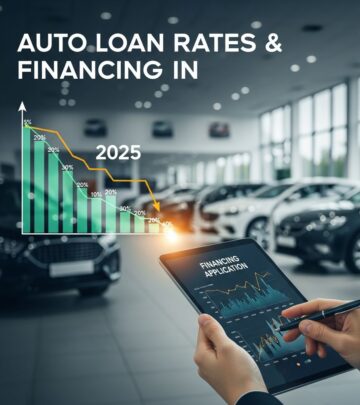
As of early 2026, rates remain elevated compared to pre-2022 lows but show stabilization. Bankrate reports an average 7.01% for 60-month new car loans.
| Loan Type | Term | APR (As Low As) | Source |
|---|---|---|---|
| 2025+ New Autos | Up to 72 months | 5.39% | MIDFLORIDA CU |
| 2024 Autos | Up to 72 months | 5.64% | MIDFLORIDA CU |
| New Vehicles (2024+) | Up to 48 months | 5.49% | SCCU |
| New Vehicles | Up to 84 months | 6.74% | SCCU |
| Average New Car | 60 months | 7.01% | Bankrate |
Used vehicle rates are higher, often 10%+, reflecting greater risk. Delinquency rates may rise slightly to 1.54% in 2026.
2026 Rate Forecasts and Economic Outlook
Experts predict slight declines if inflation eases, but rates won’t revert to sub-3% levels seen in 2020-2021. Federal projections support additional cuts, potentially lowering auto averages.
- Stabilization expected mid-year with moderate growth.
- Geopolitical risks or supply issues could reverse trends.
- Longer-term loans (70+ months) increasingly popular, averaging $722 monthly for new cars.
Calculating Your Total Loan Costs
A 1% rate difference on a $30,000 five-year loan saves over $1,000 in interest. Use this formula for estimates: Monthly Payment = [P × r × (1+r)^n] / [(1+r)^n – 1], where P=principal, r=monthly rate, n=months.
Example: $30,000 at 6% over 60 months yields ~$580 monthly; at 7% it’s ~$594.
| Loan Amount | Rate | Term | Monthly Payment | Total Interest |
|---|---|---|---|---|
| $30,000 | 5.39% | 72 months | $486 | $4,992 |
| $30,000 | 6.74% | 84 months | $435 (est.) | $6,540 (est.) |
| $43,894 | 6.6% | 69.7 months | $722 | $6,200 (approx.) |
Strategies to Secure Lower Rates
Proactive steps can shave points off your APR, saving thousands.
- Improve Credit Score: Aim for 700+; pay down debt and avoid new inquiries.
- Shop Multiple Lenders: Compare credit unions (e.g., 5.39% new autos), banks, and online platforms.
- Opt for Shorter Terms: 48-60 months often have lower rates than 72+.
- Increase Down Payment: 20% reduces financed amount and risk.
- Time Your Purchase: Monitor Fed announcements for rate dips.
Refinancing Opportunities in 2026
If rates drop 1-2% post-purchase, refinance to cut payments. Improved credit enhances eligibility. Example: Refinance from 7.01% to 5.99% on $25,000 over 66 months drops payments ~$50 monthly.
- Check for no-fee options.
- Ensure new term doesn’t extend too long.
- Refi makes sense if equity exists and credit strengthened.
New vs. Used vs. Refinance: Rate Comparison
| Category | Avg. APR | Best Case | Pros | Cons |
|---|---|---|---|---|
| New Car | 6.6-7.01% | 5.39-5.49% | Lower rates, warranties | Higher purchase price |
| Used Car | 10.6% | 6.14%+ (newer used) | Cheaper upfront | Higher rates, risk |
| Refinance | Var. | 5.99% (66 mo.) | Payment reduction | Fees, credit check |
Frequently Asked Questions
What is a good auto loan interest rate in 2026?
Under 6% for new cars with excellent credit; 5.39-5.74% at top credit unions.
Will rates drop further in 2026?
Likely slight declines to 3.25-3.5% Fed funds, easing auto rates modestly.
How does credit score impact rates?
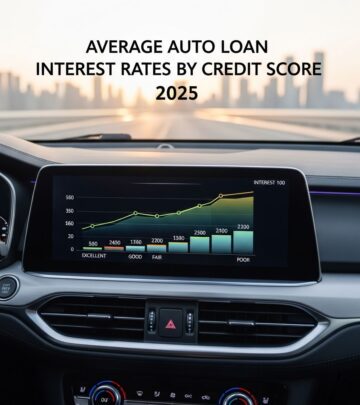
Super prime (781+) gets lowest; subprime exceeds 10%.
Should I wait for lower rates?
Weigh vehicle needs vs. potential savings; strong credit trumps waiting.
Are credit unions better for auto loans?
Often yes, with rates like 5.39% vs. national 7.01%.
Final Tips for Smart Financing
Pre-qualify without hard pulls, budget for total ownership costs including insurance, and avoid extending terms solely for lower payments—increasing lifetime interest. Strong preparation yields the best outcomes amid 2026’s evolving rate environment.
References
- Federal Reserve Cuts Interest Rates to 3.5-3.75%, Offers Limited Relief for Auto Buyers — CBT News. 2025-12-10. https://www.cbtnews.com/federal-reserve-cuts-interest-rates-to-3-5-3-75-offers-limited-relief-for-auto-buyers/
- Loan Rates & Options — MIDFLORIDA Credit Union. 2026. https://www.midflorida.com/rates/loans
- Consumer Rates — Space Coast Credit Union. 2026-01-13. https://www.sccu.com/personal/consumer-rates
- Will Car Loan Interest Rates Go Down In 2026? — InfoRide. 2025. https://www.inforide.app/will-car-loan-interest-rates-go-down-in-2026/
- Auto Loan Rates & Financing in 2026 — Bankrate. 2026-02-04. https://www.bankrate.com/loans/auto-loans/rates/
Similar Articles








Read full bio of Sneha Tete