Auto Loan Add-Ons Explained: Key Protections, Costs, Tips
Discover essential optional products for car loans that protect your investment and provide peace of mind during unexpected events.

Optional products in auto financing offer layers of protection for your vehicle purchase, helping mitigate risks from depreciation, breakdowns, or life events. These add-ons can enhance security but also increase costs, so understanding their value is crucial before committing.
Why Consider Optional Protections in Car Financing?
When financing a vehicle, the base loan covers principal and interest, but add-ons address gaps in standard coverage. New cars lose value rapidly—often 20-30% in the first year—potentially leaving borrowers underwater if totaled. Optional products bridge these vulnerabilities, covering repair costs, loan balances, or payment disruptions.
These items are voluntary and must be explicitly agreed upon, with costs disclosed in the loan contract. They integrate into monthly payments, affecting affordability. Weighing benefits against premiums ensures they align with your financial profile and risk tolerance.
Guaranteed Asset Protection (GAP) Coverage
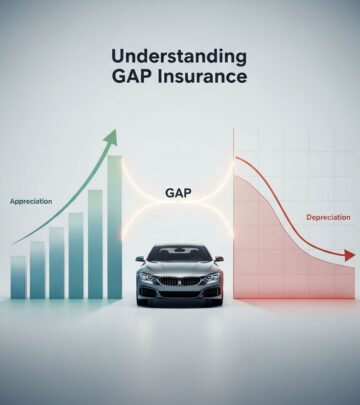
**GAP insurance** safeguards against the difference between a vehicle’s actual cash value (ACV) from insurance and the remaining loan balance after a total loss from accident or theft. For instance, if your car is worth $18,000 but you owe $22,000, GAP covers the $4,000 gap.
This is vital for new vehicles financed with low down payments, as depreciation outpaces payoff. Lenders often price GAP competitively compared to dealerships. Exclusions may apply, such as mechanical failures or business use, so review terms carefully.
| Scenario | Without GAP | With GAP |
|---|---|---|
| Vehicle ACV: $20,000 | Owe $25,000 → Pay $5,000 out-of-pocket | GAP covers $5,000 → No out-of-pocket |
| Loan Term: 60 months | High risk early years | Protection throughout |
Opt for lender-provided GAP for lower rates, and confirm it doesn’t overlap with primary auto insurance.
Extended Service Contracts and Warranties
Extended service contracts extend manufacturer warranties, covering repairs for mechanical or electrical issues beyond standard periods. Options range from basic powertrain to comprehensive exclusionary plans covering thousands of parts like ABS, AC, and seals.
- Powertrain: Engine, transmission—essential for high-mileage drivers.
- High-Tech: Electrical, fuel systems—suits modern vehicles.
- Comprehensive: Nearly all components except listed exclusions—broadest protection.
Costs add $1,000+ to loans but can prevent expensive repairs. Choose reputable providers; avoid restrictive dealership plans limiting service locations. Regular maintenance preserves eligibility.
Credit Life and Disability Insurance
**Credit life insurance** pays off the loan if the borrower dies during the term, preventing burden on heirs. It’s loan-specific, unlike general term life which offers broader, cheaper coverage.
**Credit disability insurance** covers payments if disability prevents work. Verify employer policies first to avoid duplication. These are single-purpose; bundled debt protection may include both plus unemployment.
Premiums finance into the loan, raising payments. Shop independently for better rates, as lender versions carry markups.
Bundled Debt Protection Plans
Debt protection packages combine life, disability, unemployment, and events like hospitalization or family leave. They act as safety nets without impacting loan approval.
Unlike a la carte options, bundles provide comprehensive relief. For example, involuntary job loss coverage maintains payments temporarily. Assess personal circumstances—families or variable incomes benefit most.
Other Valuable Add-Ons for Vehicle Owners
Beyond core protections:
- Anti-Theft Devices: Tracking or recovery services reduce theft risk and offer reimbursements.
- Surface Protection: Guards interior/exterior from wear, preserving resale value.
- Maintenance Packages: Prepay oil changes and services, budgeting upkeep.
- Depreciation Protection: Shields built-up equity for trade-ins if totaled.
These enhance longevity and value, especially for leased or long-term owned vehicles.
Cost Implications and Loan Examples
Add-ons inflate financed amounts and interest. A $20,000 loan at 8% APR:
| Term | Monthly Payment (Base) | With $1,500 Add-Ons |
|---|---|---|
| 36 months | $658 | $708 (+$50/mo) |
| 60 months | $405 | $438 (+$33/mo) |
Total finance charges rise: $2,562 base (36 mo) to ~$3,000+ with add-ons. Longer terms amplify costs due to interest on extras.
Strategies to Maximize Value and Minimize Costs
To decide wisely:
- Compare lender vs. dealership pricing—direct financing often cheaper.
- Review existing insurances for overlaps.
- Negotiate or decline unnecessary items; focus on high-risk areas like GAP for new cars.
- Build savings for repairs instead of warranties if driving reliable models.
- Avoid precomputed interest loans where extras don’t reduce with prepayments.
Read contracts for prepayment penalties or exclusions. Use calculators to model payments.
Frequently Asked Questions (FAQs)
Are auto loan add-ons required?
No, they are optional. You must agree in writing; declining won’t affect approval.
Is GAP worth it for used cars?
Less often, as used vehicles depreciate slower. Assess equity risk.
Can I cancel add-ons after purchase?
Many have free-look periods (e.g., 30 days). Check contract terms.
How do add-ons affect my credit?
Higher payments may strain scores if missed, but on-time builds history.
What’s cheaper: dealer or independent coverage?
Independent or lender-direct usually lower cost, more flexible.
Making Informed Choices for Your Auto Loan
Optional products empower smarter financing by addressing real-world risks. Prioritize based on lifestyle—young families may favor debt protection, commuters extended warranties. Always disclose needs to lenders for tailored options, ensuring protection without overpaying.
References
- Understanding Vehicle Financing — Parker’s Used Cars. 2023. https://www.parkersautos.com/UnderstandingCarFinancing.cfm
- Breaking Down Auto Loan Add-Ons — PACU. 2024-01-15. https://www.pacu.com/breaking-down-auto-loan-add-ons/
- What is included in the monthly auto loan payment? — Consumer Financial Protection Bureau (CFPB). 2025-06-01. https://www.consumerfinance.gov/ask-cfpb/what-is-included-in-the-monthly-auto-loan-payment-en-819/
- Auto Loan Features and Benefits — Excel Federal Credit Union. 2024-10-20. https://www.excelfcu.org/auto-loan-features-and-benefits/
- Hidden Costs of Auto Loans & How to Avoid Them — Health First Community Credit Union. 2023-11-05. https://www.hfcuvt.com/post/hidden_costs_of_auto_loans.html
- Types Of Car Loans: Which Is Right For You? — Bankrate. 2025-02-01. https://www.bankrate.com/loans/auto-loans/auto-loan-types/
- A guide to new and used car loans — Wells Fargo. 2024-09-12. https://www.wellsfargo.com/auto-loans/vehicle-financing-101/
Similar Articles








Read full bio of medha deb