Auto Insurance Without Driving: Essential Guide
Discover when car insurance is required even if your vehicle sits idle, and explore cost-saving options for non-drivers.
Many people wonder if maintaining auto insurance is necessary when their vehicle remains parked for extended periods or if they don’t own a car at all. The answer depends on factors like state laws, driving habits, household arrangements, and legal requirements for proof of financial responsibility. While non-drivers without vehicles typically face no mandate, occasional borrowers, high-risk individuals, or those planning future purchases often benefit from or require coverage.
Understanding Legal Obligations for Vehicle Owners
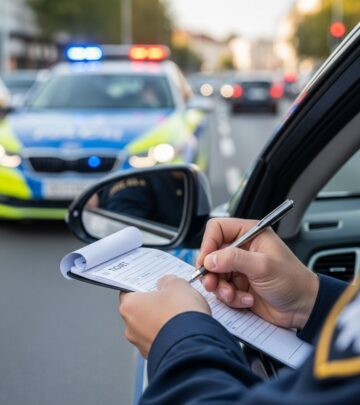
Across the United States, nearly every state mandates liability insurance for registered vehicles, regardless of usage frequency. Pennsylvania, for example, requires all motor vehicle owners to uphold financial responsibility through liability coverage, with minimums of $15,000 per person and $30,000 per accident for bodily injury, plus $5,000 for property damage. Driving without this can lead to fines up to $300, license suspension, and vehicle registration issues.
Even if your car stays garaged due to work-from-home routines or economic shifts, insurers classify lapses as high-risk behavior. Restarting a policy after cancellation often results in elevated premiums or denial of coverage, as carriers prefer continuous protection.
- Minimum Coverage Retention: Keep at least liability to comply with registration rules and avoid penalties.
- Risk of Lapse: Gaps signal potential recklessness to underwriters, increasing future costs.
- State Variations: Check local DMV for specifics, as requirements differ slightly.
Scenarios Where Coverage Remains Critical
Certain situations demand insurance even without active driving. Household members sharing vehicles, imminent purchases, or legal mandates create obligations that can’t be ignored.
Household Vehicle Access
Living with a car owner means you might need listing on their policy if you drive occasionally. Exclusion from the primary policy could leave you unprotected in an accident, exposing you to personal liability. Insurers often require all licensed household drivers to be named to extend coverage fully.
Purchasing a New or Used Vehicle
Buyers must secure insurance before driving off the lot. Existing policies may temporarily extend to new acquisitions, but notification is essential to formalize additions. Failing this risks invalidation of claims and legal violations.
High-Risk Driver Filings: SR-22 and FR-44
Drivers with DUI convictions, multiple violations, or suspensions often need an SR-22 or FR-44 form, verifying minimum liability coverage to the state. Non-owners can obtain non-owner policies to satisfy this, enabling legal driving of borrowed or rented cars.
| Scenario | Insurance Need | Potential Consequence Without |
|---|---|---|
| Household Driver | Added to Owner’s Policy | No Coverage in Accident |
| New Car Buyer | Policy Before Drive-Off | Fines, Claim Denial |
| SR-22 Required | Non-Owner Policy | License Non-Reinstatement |
Non-Owner Car Insurance: A Practical Solution
For licensed drivers without vehicles who borrow, rent, or use car-sharing services, non-owner insurance fills the gap. This policy offers liability protection when operating non-owned cars, covering damages or injuries you cause to others. It excludes physical damage to the borrowed vehicle, focusing on your legal responsibility.
Key applications include:
- Rental cars during travel.
- Friend or family vehicle borrowing.
- Business-related driving without a company fleet.
- Car-sharing platforms like Zipcar.
Not all insurers provide this; comparison shopping is vital. Opt for limits exceeding state minimums for robust protection, as basic requirements rarely suffice for major incidents.
Advantages of Non-Owner Policies
- Financial Safeguard: Shields personal assets from lawsuit payouts for accident-related damages.
- Continuous Coverage: Prevents lapses that hike future rates upon vehicle ownership.
- SR-22 Compliance: Meets proof requirements for reinstated licenses.
- Cost Savings: Typically cheaper than standard policies due to no vehicle association.
- Driving Record Stability: Doesn’t tie to specific cars, maintaining your history cleanly.
- Temporary Status Support: Ideal for learners with permits or those with suspended licenses planning reinstatement.
- Flexibility: Covers occasional use without full ownership commitment.
Cost Management Strategies During Low Usage
Reducing mileage doesn’t eliminate needs, but adjustments can lower premiums. Switch to liability-only if comprehensive or collision feels excessive for parked cars. Other tactics include:
- Usage-based programs tracking low miles.
- Discounts for garaged vehicles or anti-theft devices.
- Policy reviews with agents for tailored reductions.
For non-drivers, skip coverage entirely unless borrowing occurs. Unlicensed individuals or public transit users have no obligation.
State-Specific Insights: Focus on Pennsylvania
Pennsylvania exemplifies strict enforcement. All registered vehicles demand liability insurance, with penalties for non-compliance including three-month suspensions. Non-owner options help high-risk residents drive legally without ownership. Plymouth Rock outlines basics: bodily injury at $15/30K, property at $5K minimum. Always verify via PennDOT for updates.
Frequently Asked Questions
Can I get car insurance without a driver’s license?
Yes, possible if another licensed driver is listed, such as for owned vehicles driven by others. However, insurers may hesitate, and state rules vary.
Does non-owner insurance cover rentals?
Primarily liability; rental companies often provide collision waivers separately.
Is proof of insurance needed for license renewal?
Most states don’t require it for renewals, but registration and initial tests may.
What if my license is suspended?
Maintain non-owner coverage to ease reinstatement and avoid rate hikes.
Who qualifies for non-owner policies?
Licensed drivers without cars who occasionally operate others; excludes frequent business use sometimes.
Steps to Secure or Adjust Coverage
1. Assess driving frequency and household access.
2. Review state minimums via DMV sites.
3. Compare non-owner quotes from multiple carriers.
4. Ensure SR-22 filing if mandated.
5. Notify insurers of changes promptly.
6. Explore discounts for low usage.
This proactive approach balances compliance, protection, and affordability, preventing costly surprises.
References
- If I Don’t Have a Car, Do I Need Auto Insurance? — Kelley Blue Book. 2023. https://www.kbb.com/car-advice/auto-coverage-with-no-car/
- Can You Get Car Insurance Without a License? — Progressive. 2024. https://www.progressive.com/answers/car-insurance-without-license/
- Do You Need Car Insurance If You Aren’t Driving Your Car? — Vargas Insurance. 2023. https://www.vargasinsurance.com/blog/do-you-need-car-insurance-if-you-arent-driving-your-car
- State of Pennsylvania Insurance Requirements — Insurance King. 2024. https://insuranceking.com/state-of-pennsylvania-insurance-requirements/
- What is Non-Owner Car Insurance? — Allstate. 2024. https://www.allstate.com/resources/car-insurance/non-owner-car-insurance
- Insurance Overview — Commonwealth of Pennsylvania DMV. 2025. https://www.pa.gov/agencies/dmv/vehicle-services/insurance-overview
- Understanding Auto Insurance Coverage in Pennsylvania — Plymouth Rock. 2024. https://www.plymouthrock.com/resources/understanding-auto-insurance-coverage-in-pennsylvania
Similar Articles








Read full bio of medha deb