Auto Insurance and Water Damage Protection
Discover how your car insurance handles flood and water damage claims, what coverage you need, and steps to protect your vehicle during storms.
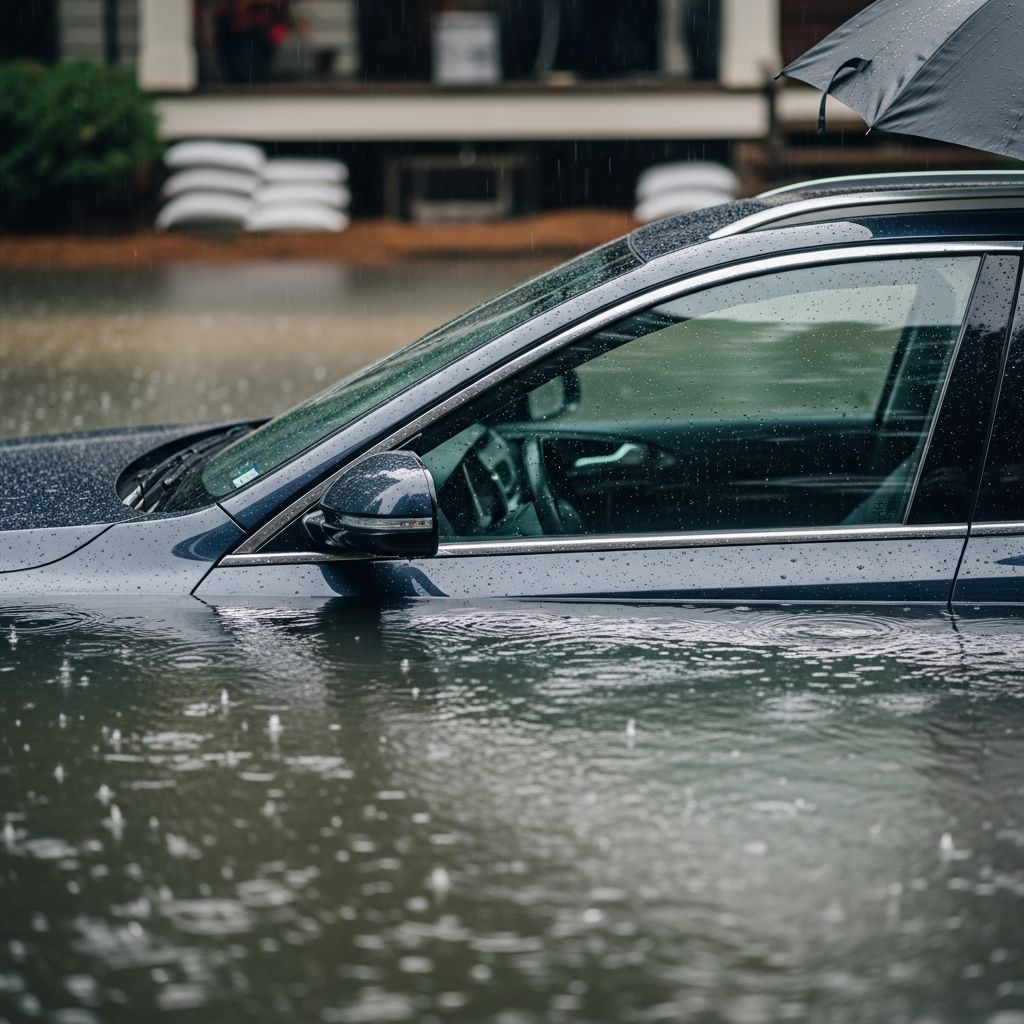
Standard auto insurance policies often leave vehicle owners vulnerable to water-related perils unless specific protections are in place. Comprehensive coverage typically addresses flood and certain water damage scenarios, distinguishing it from basic liability options that focus solely on third-party liabilities.
Understanding Coverage Types for Vehicle Protection
Auto insurance divides into liability, collision, and comprehensive categories, each serving distinct purposes. Liability handles damages you cause to others, while collision covers accidents involving your car with another vehicle or object. Comprehensive steps in for non-collision events, including weather-induced issues like heavy rain, hail, or rising waters.
Without comprehensive, owners bear full repair costs for water damage. Lenders frequently mandate this coverage for financed or leased vehicles, recognizing its role in mitigating storm-related losses. Full coverage packages combine collision and comprehensive, offering broader safeguards against unforeseen events.
When Does Comprehensive Coverage Apply to Water Events?
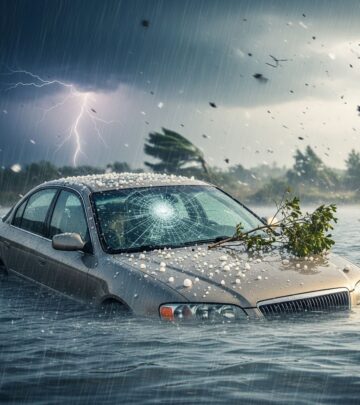
Comprehensive insurance activates for sudden, accidental water exposure from external sources. This includes vehicles overtaken by flash floods, submerged during hurricanes, or battered by hailstorms mixing ice and water. Policies generally cover repairs or replacement up to the vehicle’s actual cash value, after subtracting the deductible.
However, coverage hinges on the event’s nature. Damage from gradual leaks, poor maintenance, or owner negligence falls outside scope. For instance, water entering through an open window during rain or slow drainage issues due to clogged systems receive no payout.
Distinguishing Flood Damage from Other Water Incidents
Flood damage specifically involves rising waters from overflowing rivers, storm surges, or excessive rainfall submerging vehicles. Comprehensive routinely covers these, even if the car stalls in deep water on a roadway.
Other water damages might stem from burst pipes, sewer backups, or heavy downpours pooling under the car. While comprehensive may apply to sudden storm-related ingress, it excludes predictable or maintenance-related problems. Homeowners’ flood policies rarely extend to vehicles, reinforcing the need for auto-specific comprehensive.
Common Water Damage Scenarios and Insurance Responses
- Flash Flooding on Roads: Driving through flooded streets can lead to engine hydro-locking if water enters the air intake. Comprehensive covers repairs if not deemed negligent, though authorities advise avoiding such risks—12 inches of moving water can sweep away most cars.
- Parked Vehicle Submersion: Cars left in low-lying areas during storms often face total loss from full immersion. Insurers assess actual cash value minus deductible and salvage, paying out accordingly.
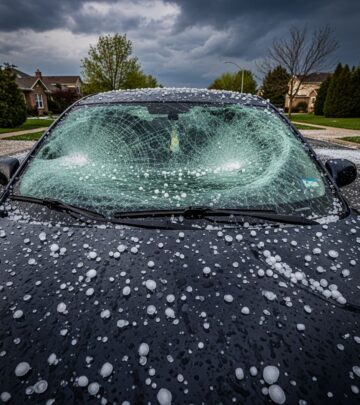
- Hail and Storm Mixtures: Hail accompanied by heavy rain dents panels and cracks glass, with comprehensive handling both.
- Tree Limb Falls in Windy Rain: Branches downed by storms causing water ingress alongside structural damage qualify under comprehensive.
Electric vehicles encounter amplified risks, as water can trigger battery malfunctions or fires, yet comprehensive still applies if the incident qualifies.
Navigating Claims After Water Exposure
Immediate action preserves claim viability. Never start a flooded engine, as this worsens internal damage by spreading contaminated water. Instead, document the scene with photos, note water levels, and contact your insurer promptly.
Professionals then inspect for engine corrosion, electrical shorts, upholstery ruin, and mold growth. Drying interiors, treating rust, and replacing contaminated fluids become priorities. Total loss declarations occur when repair costs exceed 70-80% of the vehicle’s value.
| Damage Type | Covered by Comprehensive? | Typical Exclusions |
|---|---|---|
| Flood Submersion | Yes | Negligent driving into known floods |
| Hail with Rain | Yes | Maintenance failures |
| Gradual Leak | No | Owner oversight |
| Storm Surge | Yes | Off-road use violations |
Exclusions and Policy Limitations to Watch For
Not all water events trigger payouts. Negligence, such as ignoring road closures or parking in flood-prone zones knowingly
Similar Articles








Read full bio of Sneha Tete