Auto Insurance Towing Coverage: Complete Guide
Understand when your auto insurance covers towing costs after accidents and breakdowns.
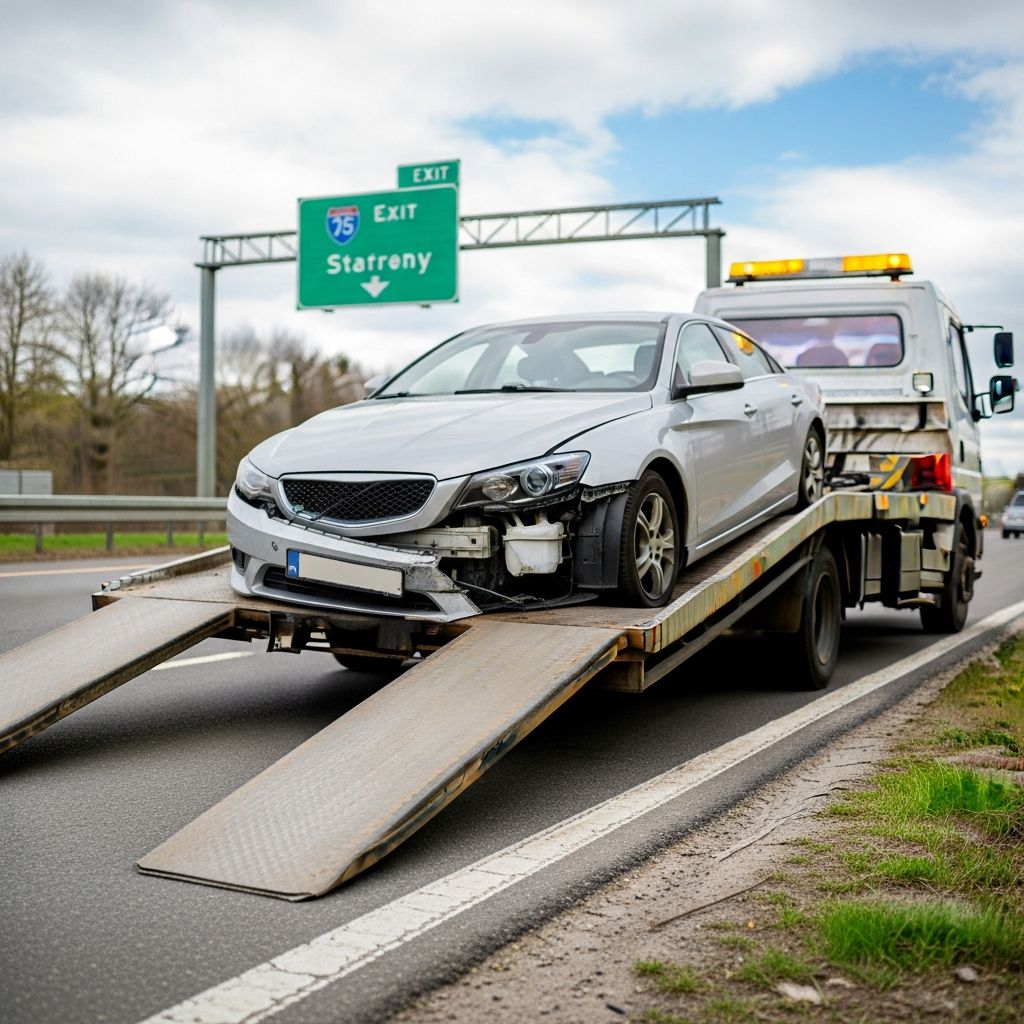
When your vehicle becomes disabled following an accident or breakdown, the cost of towing can quickly accumulate into an unexpected expense. Many drivers wonder whether their auto insurance will shoulder these financial burdens or if they’ll face substantial out-of-pocket costs. The answer depends on several factors, including the type of incident that occurred, the specific coverage you selected when purchasing your policy, and who was at fault in an accident scenario.
The Mechanics of Towing and Storage Under Insurance
Understanding how insurance companies handle towing claims requires familiarity with the different coverage categories available to drivers. Towing expenses don’t fall under a single insurance category; instead, they may be covered through multiple pathways depending on your circumstances.
When your vehicle suffers damage requiring transportation to a repair facility, your insurance company may address these costs through several mechanisms. The primary coverage options that often include towing provisions are designed to work in conjunction with the underlying damage claim. Your insurer evaluates not only whether towing is covered but also the extent of coverage available under your specific policy terms.
Coverage Categories That Include Towing Services
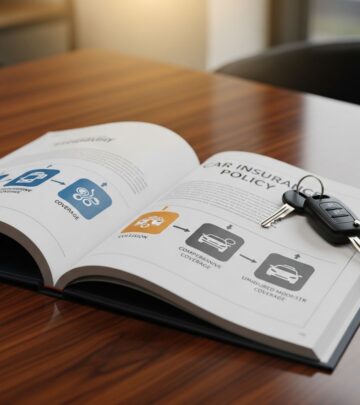
- Roadside Assistance Coverage: This optional add-on provides support during roadside emergencies, including disabled vehicles, flat tires, dead batteries, and lockouts. It encompasses towing services to a specified distance from your location.
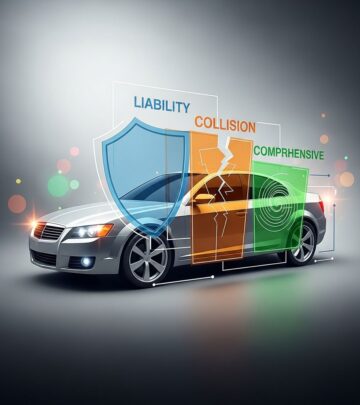
- Comprehensive Coverage: This protection addresses vehicle damage from incidents unrelated to collisions, such as theft, vandalism, weather events, or animal strikes. When your vehicle requires towing due to these covered events, expenses are typically included.
- Collision Coverage: This coverage addresses damage resulting from contact with other vehicles or fixed objects. Towing costs associated with collision-damaged vehicles are commonly covered under this category.
- Third-Party Liability Coverage: When another driver causes an accident that damages your vehicle, their liability coverage should compensate you for towing costs as part of the overall damage claim.
Roadside Assistance: The Primary Towing Solution
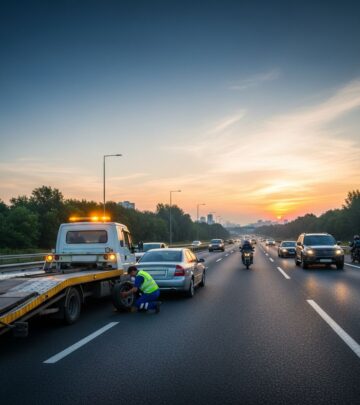
Roadside assistance represents one of the most straightforward pathways to towing coverage for many drivers. This optional coverage functions independently from your accident-related insurance, making it valuable for situations beyond collision or comprehensive claims.
What Roadside Assistance Typically Covers
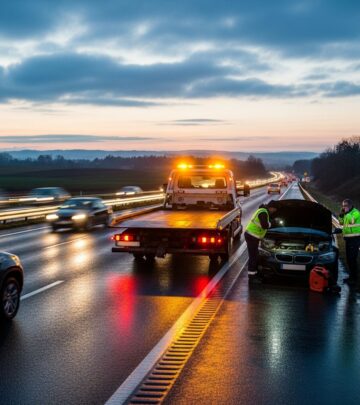
Roadside assistance policies generally provide towing to a predetermined distance, commonly between 10 and 15 miles from your vehicle’s location. Towing services extending beyond this distance may involve additional charges or may be directed to the nearest qualified repair facility regardless of distance. Beyond towing, these policies often include battery jump-start services, lockout assistance, flat tire changes, and fuel delivery services.
The cost structure for roadside assistance remains relatively modest for most drivers. Many insurance companies include this coverage at no additional charge as part of standard policies, while others offer it as an affordable add-on. The specific terms, including coverage limits, distance parameters, and service frequency restrictions, vary by insurance provider and policy tier.
Cost Considerations for Extended Towing
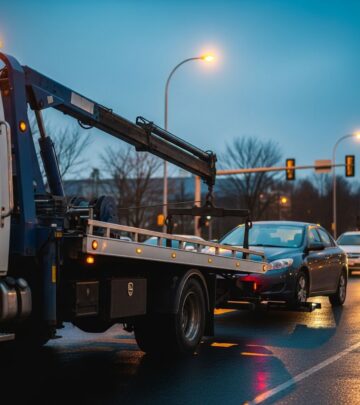
Professional towing services charge based on distance traveled, typically ranging from $2.50 to $7 per mile depending on your location, vehicle type, and specific circumstances. When your breakdown occurs far from home or when the nearest qualified repair facility exceeds your roadside assistance distance limit, you may face supplementary charges. Some policies include provisions for transporting vehicles beyond standard distance limits, though these situations often result in higher out-of-pocket expenses.
Accident-Related Towing: Coverage Through Collision and Comprehensive
When accidents occur, towing coverage operates differently than roadside assistance. Rather than viewing towing as a separate service, insurers treat it as an extension of the underlying damage claim.
Collision Coverage and Towing
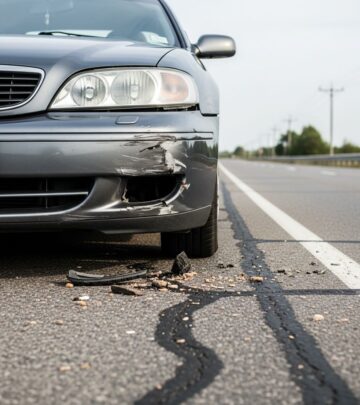
Collision coverage addresses damage your vehicle sustains when contacting another vehicle or fixed object. If your vehicle becomes inoperable following such an incident, the cost of towing to a repair facility is typically incorporated into your collision claim. Rather than paying separately for towing, you pay your collision deductible, and your insurance covers the tow along with repair costs, up to your policy’s limits.
For example, if you’re rear-ended and your vehicle cannot be driven, collision coverage may cover both the tow to the nearest qualified repair shop and the subsequent repairs. If your deductible is $500 and the tow costs $100 with repairs totaling $3,000, you would pay the $500 deductible out-of-pocket, and your insurance would cover the remaining $2,600 toward both towing and repairs.
Comprehensive Coverage and Towing
Comprehensive coverage protects against vehicle damage from non-collision events including theft, vandalism, weather, falling objects, and animal strikes. When your vehicle sustains damage from these covered perils and requires towing to a repair facility, comprehensive coverage typically addresses these transportation costs as part of the overall claim.
Determining Financial Responsibility After Accidents
Fault determination significantly impacts which insurance policy pays for towing and storage costs after accidents.
When You’re Not at Fault
If another driver caused the accident and bears fault, their liability insurance should cover your towing expenses as part of the overall damage compensation. You would file a claim with the at-fault driver’s insurance company, and their adjuster would authorize towing to an appropriate facility. In this scenario, you shouldn’t bear towing costs directly if the other party’s insurance accepts liability.
When You’re at Fault
If you’re determined to be at fault for the accident, your own collision coverage becomes responsible for towing costs. You would pay your deductible, and your collision coverage would cover towing and repairs up to your policy limits. However, if you lack collision coverage, towing costs become your personal financial responsibility.
Insufficient Insurance Scenarios
Complications arise when the at-fault driver possesses insufficient insurance coverage to compensate you fully. If their liability limits fall short of covering both towing, storage, and damage repairs, you may need to file a claim through your own collision coverage if available. This situation underscores the importance of maintaining adequate coverage levels.
Storage Fees and Associated Expenses
Beyond towing, vehicle storage represents another significant expense following accidents. Insurance coverage for storage typically depends on your policy provisions.
How Storage Coverage Works
Storage fees for vehicles awaiting repair or requiring safe storage after accidents may be covered as part of your comprehensive or collision claim, subject to specified limits. Most policies establish maximum storage coverage amounts; any charges exceeding these limits become the policyholder’s responsibility. Storage facilities assess daily fees that accumulate rapidly, making the distinction between covered and uncovered amounts financially significant.
Reimbursement Structures
Many insurers require policyholders to pay towing and storage expenses upfront, then submit receipts for reimbursement. This requirement means you must have sufficient funds available at the time of the incident to cover immediate costs. Once you submit documentation to your insurance company, they process reimbursement according to your policy terms and their determination of covered amounts.
Policy Limitations and Cost Caps
Insurance coverage for towing rarely functions as unlimited protection. Most policies establish specific limits on how much insurers will reimburse for towing services.
Typical Coverage Limits
Towing coverage limits can be surprisingly modest, sometimes as low as $50 or $100, though more comprehensive policies may extend to $300 or higher. When actual towing costs exceed your policy’s limit, you’re responsible for the difference. Understanding your specific coverage limits allows you to anticipate potential out-of-pocket expenses when incidents occur.
Distance-Based Limitations
Roadside assistance coverage frequently incorporates distance restrictions, covering towing only to a specified mileage radius. Services required beyond these distances may be covered at reduced rates or not at all, depending on your specific policy language.
Evaluating Your Current Coverage
Most drivers benefit from reviewing their auto insurance policies to understand current towing provisions. Insurance companies typically allow policyholders to modify coverage by adding or removing optional protections like roadside assistance.
Assessing Your Needs
Consider factors such as your vehicle’s age and reliability, how often you drive long distances, access to AAA or similar memberships that may provide towing services independently, and your financial capacity to cover unexpected expenses. Drivers with older vehicles or those who frequently travel remote routes may find roadside assistance particularly valuable. Conversely, those with reliable newer vehicles who primarily drive locally might prioritize collision coverage over additional towing protections.
Comparing Coverage Options
Contact your insurance provider to discuss available roadside assistance options, coverage limits, and any associated costs. Comparing these options against the potential expense of professional towing—which can range from hundreds to thousands of dollars depending on distance and circumstances—often reveals that modest roadside assistance premiums represent excellent value.
Common Towing Scenarios and Coverage
| Scenario | Potential Coverage Type | Likely Covered |
|---|---|---|
| Mechanical breakdown on highway | Roadside Assistance | Yes, if coverage included |
| Collision with another vehicle | Collision Coverage | Yes, up to policy limit |
| Hit deer/animal strike | Comprehensive Coverage | Yes, up to policy limit |
| Theft or vandalism damage | Comprehensive Coverage | Yes, up to policy limit |
| Weather damage requiring towing | Comprehensive Coverage | Yes, up to policy limit |
| Flat tire on local street | Roadside Assistance | Yes, if coverage included |
| Dead battery requiring tow | Roadside Assistance | Yes, if coverage included |
| Accident where other driver at fault | Other’s Liability Coverage | Yes, should be covered |
Frequently Asked Questions About Towing Coverage
Is Roadside Assistance Mandatory on Auto Insurance Policies?
Roadside assistance coverage remains entirely optional with most insurance companies. While some insurers include it automatically in their basic policies, others require drivers to specifically request and pay for this add-on. Review your policy documents or contact your insurance agent to determine whether you currently possess this coverage.
What Happens If I Cannot Afford Upfront Towing Costs?
If you lack immediate funds for towing and your insurance requires reimbursement rather than direct payment to the tow operator, some towing companies may accept your insurance information and bill your insurance company directly. Contact the towing service to determine their payment policies before proceeding. Additionally, some insurance companies authorize certain towing providers to bill directly, eliminating the need for upfront payment.
Can I Choose Any Tow Operator, or Must I Use Specific Providers?
Insurance policies typically allow you to select any licensed, insured towing service. However, some insurers maintain networks of preferred operators and may offer better reimbursement rates when you use these affiliated services. Verify with your insurance company whether preferred provider networks exist and what reimbursement differences might apply.
How Long Does Towing and Storage Coverage Remain Available?
Roadside assistance coverage remains available throughout your policy term as long as you maintain coverage and pay premiums. For accident-related towing through collision or comprehensive coverage, availability depends on whether you maintain these coverages. If you drop collision coverage to reduce premiums, accident-related towing would no longer be covered by your insurance.
Are There Situations Where Towing Won’t Be Covered?
Insurance will not cover towing for mechanical breakdowns if you lack roadside assistance coverage. Similarly, towing related to accidents won’t be covered if you don’t maintain collision or comprehensive coverage. Additionally, if fault cannot be established and the other driver’s liability coverage is unavailable, you may face uncovered towing expenses unless your own policy includes relevant protections.
Strategic Recommendations for Optimal Coverage
Given the substantial costs associated with professional towing services, most financial advisors recommend maintaining roadside assistance as part of your auto insurance package. The relatively modest annual premium for this coverage—often $50 to $150 per year—provides significant protection against unexpected transportation emergencies.
For drivers with valuable vehicles or those who drive frequently, ensuring you maintain both collision and comprehensive coverage provides additional towing protection beyond roadside assistance. This layered approach ensures that various situations—from minor breakdowns to serious accidents—won’t result in catastrophic expenses.
Periodically review your policy coverage limits to ensure they align with current towing costs in your region. Inflation has increased professional towing service expenses, and coverage limits that seemed adequate five years ago may now fall short of actual costs.
References
- Does Car Insurance Cover Towing After an Accident? — Experian. https://www.experian.com/blogs/ask-experian/does-car-insurance-cover-towing-after-accident/
- Does Car Insurance Cover Towing? — Lemonade. https://www.lemonade.com/car/explained/does-car-insurance-cover-towing/
- What is Towing and Labor Cost Coverage? — Allstate. https://www.allstate.com/resources/car-insurance/towing-and-labor-cost-coverage
- Does Car Insurance Cover Towing? — Progressive. https://www.progressive.com/answers/does-car-insurance-cover-towing/
- Does Car Insurance Cover Towing? — GEICO. https://www.geico.com/information/aboutinsurance/auto/does-car-insurance-cover-towing/
- Who Pays for Towing and Storage After Car Accidents? — Martin Wren Law. https://martinwrenlaw.com/faqs/who-pays-for-towing-and-storage-after-a-car-accident/
Similar Articles








Read full bio of medha deb