Understanding Auto Insurance: Types, Coverage, and Requirements
Learn the essentials of auto insurance coverage to protect your vehicle and finances.
Auto insurance represents one of the most important financial protections available to vehicle owners. Whether you’re driving a brand-new sedan or an older pickup truck, understanding the different types of coverage available can help you make informed decisions about your policy. This guide walks you through the essentials of auto insurance, helping you navigate the choices available and determine what level of protection makes sense for your situation.
What Is Auto Insurance and Why Do You Need It?
Auto insurance is a contract between you and an insurance company that protects you from financial losses resulting from vehicle-related incidents. These losses can include vehicle repair costs, medical bills, and legal fees that might arise from an accident or other covered events. Without adequate insurance coverage, a single accident or unexpected event could result in substantial out-of-pocket expenses that could strain your finances significantly.
The primary purpose of auto insurance is to provide financial protection in situations beyond your control. Whether another driver hits your vehicle, a tree branch falls on your car during a storm, or your vehicle is stolen, the right insurance policy can cover the costs of repairs, replacement, or medical treatment, depending on your coverage types.
Liability Insurance: Your Legal Foundation
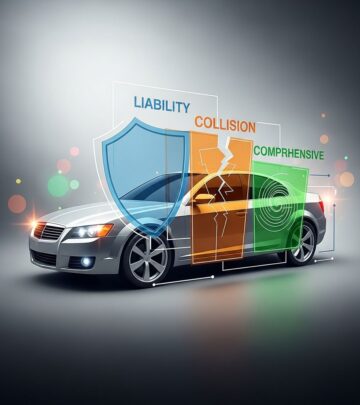
Liability insurance forms the foundation of most auto insurance policies and is required by law in nearly every state. This coverage protects you if you’re responsible for damaging someone else’s property or injuring another person in a vehicle accident.
Liability coverage typically includes two components:
- Bodily injury liability — covers medical expenses, lost wages, and pain and suffering for people injured in an accident where you’re at fault
- Property damage liability — covers repairs to other vehicles, buildings, or objects damaged in an accident caused by your vehicle
When selecting liability limits, you’ll choose specific dollar amounts for each component. For example, a common liability limit structure is 25/50/20, which means $25,000 per person for bodily injury, $50,000 per accident for bodily injury to multiple people, and $20,000 for property damage. Higher limits provide greater protection but come with slightly higher premiums.
Collision Coverage: Protection Against Impact Damage
Collision coverage pays for repairs to your vehicle when it’s damaged in an accident with another vehicle or object. This coverage applies whether you’re at fault for the accident or not, though you’ll typically need to pay a deductible before the insurance company covers the remaining costs.
If you’re financing or leasing your vehicle, your lender or leasing company will likely require you to carry collision coverage. Even if you own your car outright, collision coverage may be worth considering if your vehicle has significant value and you couldn’t afford to pay for major repairs out of pocket.
The deductible you select for collision coverage directly affects your premium. A higher deductible means lower monthly payments but higher out-of-pocket costs when you file a claim. A lower deductible results in higher premiums but reduces what you pay when damage occurs.
Comprehensive Coverage: Protection Beyond Collisions
Comprehensive insurance coverage protects your vehicle against unexpected damage that isn’t caused by a collision with another vehicle. This optional coverage fills important gaps in your protection by covering non-collision incidents that can still result in significant repair or replacement costs.
Comprehensive coverage includes protection from a wide range of events:
- Theft — if your vehicle is stolen, comprehensive insurance covers the loss (minus your deductible)
- Vandalism and malicious damage — covers intentional damage to your vehicle’s paint, windows, or interior
- Weather and natural disasters — includes damage from hail, floods, tornadoes, hurricanes, lightning, and earthquakes
- Falling objects — covers damage from tree limbs, rocks, or debris falling on your vehicle
- Fire and explosions — protects against vehicle damage caused by fire or explosion incidents
- Glass damage — many comprehensive policies include coverage for broken windows and windshield damage
- Animal collisions — covers accidents involving deer or other animals, a coverage type that standard collision insurance often excludes
Like collision coverage, comprehensive insurance includes a deductible. You’ll choose whether to pay a higher deductible (reducing your premium) or a lower deductible (increasing your premium but reducing out-of-pocket costs on claims). If you’re financing or leasing a vehicle, your lender typically requires comprehensive coverage to protect the vehicle as their asset.
Optional Coverage Types and Additional Protections
Beyond liability, collision, and comprehensive coverage, insurance companies offer several additional coverage options that may enhance your protection:
Uninsured and Underinsured Motorist Coverage protects you if you’re hit by a driver who lacks adequate insurance or has no insurance at all. This coverage pays for your medical expenses and vehicle repairs, protecting you from bearing the financial burden of another person’s lack of coverage.
Medical Payments Coverage (also called MedPay) covers medical expenses for you and your passengers resulting from a vehicle accident, regardless of who’s at fault. This coverage applies even if another form of insurance will eventually cover the costs, making it valuable for managing immediate medical needs.
Uninsured Motorist Property Damage Coverage covers damage to your vehicle caused by an uninsured driver, filling a gap in protection for situations where you can’t recover costs from the at-fault driver’s insurance.
Coverage Limits and Deductibles: Finding Your Balance
Understanding coverage limits and deductibles is essential to selecting appropriate insurance protection. A coverage limit represents the maximum amount your insurance company will pay on a claim. Policies typically include both per-occurrence limits (the maximum for a single incident) and aggregate limits (the maximum the company will pay during an entire policy period, usually one year).
Your deductible is the amount you agree to pay out of pocket before your insurance coverage kicks in. If you have a $500 deductible and file a claim for $3,000 in damage, you pay $500 and the insurance company pays $2,500. Selecting the right deductible involves balancing your monthly premium against your ability to pay out-of-pocket costs if an incident occurs.
When considering whether to pay more for lower deductibles or less for higher deductibles, evaluate your emergency savings. If you have sufficient savings to cover a $1,000 deductible, choosing that option rather than a $250 deductible can significantly reduce your monthly premium over time.
Actual Cash Value Versus Replacement Value
When selecting comprehensive or collision coverage, you’ll often choose between actual cash value and replacement value for how the insurance company calculates claim payouts.
Actual cash value covers your car’s current market value minus depreciation. This approach reflects what your vehicle is actually worth today, accounting for age and condition. Choosing actual cash value results in lower insurance premiums but means you’ll receive less on a claim, potentially not enough to purchase a comparable replacement vehicle.
Replacement value insures you for the full cost of replacing your vehicle with a new one of the same make and model. This option is often chosen by owners of relatively new cars and increases your insurance cost but significantly reduces the financial impact if your vehicle is totaled. Replacement value coverage ensures you can actually replace your vehicle without additional out-of-pocket expenses.
State Requirements and Legal Minimums
Auto insurance requirements vary by state, though liability insurance is mandated in nearly every jurisdiction. State minimum requirements typically specify minimum amounts for bodily injury liability per person, bodily injury liability per accident, and property damage liability.
However, state minimum coverage limits are often inadequate for real-world protection. Many insurance professionals recommend carrying higher limits than your state requires, particularly for liability coverage. If you cause an accident resulting in severe injuries or significant property damage, state minimum limits could leave you personally liable for costs exceeding your coverage limits.
If you’re financing or leasing a vehicle, your lender or leasing company typically requires coverage beyond state minimums. These requirements protect the lender’s asset and usually include both collision and comprehensive coverage with specific deductible limits.
Determining Coverage Needs for Your Vehicle
Selecting appropriate coverage begins with assessing your vehicle’s value and your financial situation. If you recently purchased your vehicle with a loan, comprehensive and collision coverage are likely non-negotiable requirements from your lender. These coverages protect the vehicle that secures your loan.
If you own your vehicle outright, the decision becomes more personal. Consider your vehicle’s current market value using resources like Kelley Blue Book. Ask yourself: could you afford to pay this amount out of pocket to repair or replace your vehicle if it were damaged or stolen? If the answer is no, comprehensive and collision coverage represent sound financial protection.
For older vehicles with lower market values, the cost of adding comprehensive and collision coverage might exceed the benefit you’d receive from claims. In these cases, carrying only liability coverage (plus any legally required minimums) might make financial sense, though you’d bear the full cost of repairs yourself.
Factors That Influence Your Insurance Costs
Insurance companies calculate premiums based on numerous factors beyond just the coverage types and limits you select. Your driving history, age, location, vehicle type, annual mileage, and credit score all influence your premium rates.
Young drivers and those with previous accidents or traffic violations typically face higher premiums. Urban areas with higher crime rates and accident frequencies generally have higher insurance costs than rural areas. Vehicles with higher repair costs or that are frequently targeted for theft also result in higher premiums.
Taking steps to improve factors within your control — maintaining a clean driving record, completing defensive driving courses, bundling multiple policies with one insurer, and maintaining good credit — can help reduce your insurance costs over time.
Reviewing and Updating Your Coverage
Your insurance needs evolve as your life circumstances change. Major life events like purchasing a new vehicle, paying off a car loan, moving to a different state, or experiencing significant changes in your financial situation warrant a review of your coverage.
You can typically add or modify comprehensive coverage at any time to adjust your protection level. If you’ve paid off a vehicle and now own it outright, you might choose to drop collision coverage on an older car while maintaining comprehensive coverage. Conversely, if you purchase a new vehicle with a loan, you’ll want to ensure both collision and comprehensive coverage are included at appropriate limits.
Reviewing your policy annually helps ensure you’re not overinsured or underinsured for your current situation. As your vehicle depreciates, continuing to carry replacement value coverage might no longer make financial sense, while maintaining comprehensive coverage protects against theft and weather events regardless of your vehicle’s age.
Frequently Asked Questions About Auto Insurance
Is comprehensive insurance required by law?
Comprehensive insurance is not required by state law in most jurisdictions. However, if you’re financing or leasing a vehicle, your lender or leasing company will require comprehensive (and usually collision) coverage until the vehicle is paid off. If you own your vehicle outright, comprehensive coverage is optional.
What’s the difference between comprehensive and collision coverage?
Collision coverage pays for damage from accidents with other vehicles or objects. Comprehensive coverage protects against non-collision damage like theft, weather, vandalism, and animal collisions. Both are optional if you own your vehicle outright, but lenders typically require both.
Can I add comprehensive coverage to my existing policy?
Yes, you can typically add comprehensive coverage at any time to adjust your protection level. Contact your insurance company to modify your policy and understand how the change affects your premium.
How do I choose between actual cash value and replacement value?
Consider your vehicle’s age and your financial situation. Actual cash value results in lower premiums but pays less on claims. Replacement value costs more but ensures you can replace your vehicle without additional expense. Newer vehicles are better suited for replacement value coverage.
What should I do if I can’t afford comprehensive coverage?
If cost is a concern, choose a higher deductible to lower your premium. Evaluate whether your vehicle’s value justifies the coverage cost. For older vehicles with lower market values, carrying only liability coverage might be the most economical choice.
Making Your Coverage Decision
Selecting appropriate auto insurance coverage requires balancing protection with affordability. Liability insurance provides the legal foundation all drivers need. Collision and comprehensive coverage protect your vehicle and financial stability against specific types of damage. Additional optional coverages address specific gaps in protection based on your circumstances.
By understanding each coverage type, assessing your vehicle’s value and your financial situation, and considering your lender’s requirements, you can build an insurance policy that provides appropriate protection for your needs. Reviewing your coverage periodically ensures your insurance continues to align with your life circumstances and financial goals.
References
- What is Comprehensive Auto Insurance Coverage? — Insureon. https://www.insureon.com/small-business-insurance/commercial-auto/comprehensive-auto
- What Is Comprehensive Insurance? — Progressive. https://www.progressive.com/answers/comprehensive-insurance/
- What Is Comprehensive Insurance? — Allstate. https://www.allstate.com/resources/car-insurance/what-is-comprehensive-auto-insurance
- What Is Comprehensive Car Insurance? Chicago Drivers’ Guide — InsureOnTheSpot. https://www.insureonthespot.com/what-is-comprehensive-car-insurance-chicago/
- Auto Insurance Shopping Guide — Illinois Department of Insurance. https://idoi.illinois.gov/consumers/consumerinsurance/auto-insurance-shopping-guide.html
- Comprehensive Auto Insurance Guide — Acuity. https://www.acuity.com/the-focus/auto/comprehensive-auto-insurance-guide
Similar Articles








Read full bio of Sneha Tete