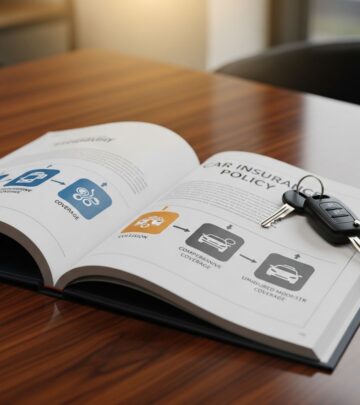
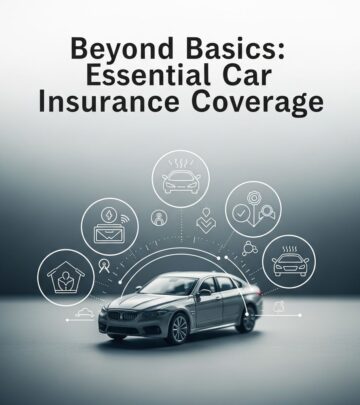
Auto Insurance Essentials
Master the fundamentals of car insurance coverages to protect your finances and vehicle effectively in any situation.
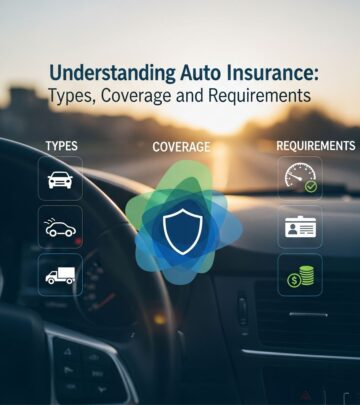
Understanding the various components of auto insurance is crucial for every driver. This guide breaks down the primary coverages available, explaining what they protect against, legal requirements, and how to select the right mix for your needs. With rising vehicle costs and accident risks, proper coverage ensures financial security.
Core Pillars of Car Protection
Auto insurance policies consist of multiple layers designed to address different risks on the road. The foundational elements focus on legal obligations and basic safeguards for you and others.
Liability Coverage: Your Legal Safety Net
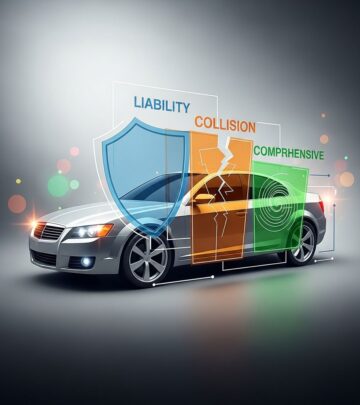
Liability insurance stands as the cornerstone of most auto policies, mandated by nearly all states. It kicks in when you’re at fault in an accident, covering injuries and property damage inflicted on others.
- Bodily Injury Liability: Pays for medical bills, lost wages, and legal fees if you injure someone else.
- Property Damage Liability: Handles repairs to vehicles, structures, or other property you damage.
State minimums vary, but experts recommend higher limits—such as 100/300/100—to avoid personal liability in severe cases.
Protection Against Uninsured and Underinsured Drivers
Despite legal requirements, about 13% of drivers remain uninsured. Uninsured/underinsured motorist (UM/UIM) coverage protects you if hit by such drivers, covering your medical costs and vehicle repairs.
| Coverage Type | What It Pays For | Typical State Status |
|---|---|---|
| Uninsured Motorist Bodily Injury | Your injuries from uninsured drivers | Required in 20 states |
| Underinsured Motorist | Costs exceeding at-fault driver’s limits | Optional in most |
| Uninsured Property Damage | Vehicle damage from uninsured at-fault | Required in some states |
This coverage is invaluable in hit-and-runs or encounters with minimally insured parties.
Vehicle-Specific Safeguards
Beyond liability, policies offer protections for your own car, essential if you have a loan or lease.
Collision Coverage: Handling Crash Damages
Collision insurance repairs or replaces your vehicle after a crash with another car or object, regardless of fault. Deductibles apply, typically $500-$1,000.
It’s often required by lenders but optional otherwise. Without it, you’re personally responsible for repair bills, which average $4,000+ for moderate accidents.
Comprehensive Coverage: Non-Collision Threats
This shields against theft, vandalism, weather events, fire, or animal collisions. Like collision, it includes a deductible but covers ‘acts of God’ and criminal acts.
- Theft or vandalism recovery
- Hail, flood, or falling object damage
- Windshield repair (often no deductible)
Together, collision and comprehensive form ‘full coverage,’ protecting against most perils.
Medical and Injury Protections
Injuries generate the highest costs in accidents—averaging $20,000+ per incident. These coverages address health-related expenses.
Personal Injury Protection (PIP): No-Fault Relief
PIP, or no-fault insurance, covers medical bills, lost wages, and rehabilitation for you and passengers, irrespective of blame. It’s mandatory in 12 states and optional elsewhere.
Benefits may include 80% of lost income and full medical costs up to policy limits.
Medical Payments (MedPay): Simpler Alternative
MedPay offers straightforward reimbursement for accident-related medical and funeral expenses for you, passengers, or family—up to $5,000-$10,000 typically. No-fault based, it’s cheaper than PIP.
| Feature | PIP | MedPay |
|---|---|---|
| Lost Wages | Yes | No |
| Rehab/Pain & Suffering | Often | No |
| Cost | Higher | Lower |
Choose based on state laws and personal health coverage gaps.
Optional Add-Ons for Enhanced Security
Standard policies can be bolstered with extras tailored to lifestyle and risks.
- Rental Reimbursement: Pays for a temporary car while yours is repaired post-covered claim.
- Towing and Roadside Assistance: Covers breakdowns, lockouts, and flat tires.
- Gap Insurance: Bridges the difference between your car’s value and loan balance if totaled.
- New Car Replacement: Replaces recent vehicles with brand-new models.
These prevent out-of-pocket losses during disruptions.
Navigating State Requirements and Costs
Every state but New Hampshire mandates minimum liability. No-fault states like Michigan require PIP; others demand UM.
Average annual premiums hover at $2,000 for full coverage, varying by location, driving record, and vehicle. Shopping quotes saves 20-30%.
Strategies for Optimal Coverage
To balance protection and affordability:
- Assess risks: Urban drivers need comprehensive; rural may skip collision.
- Match deductibles to savings: Higher deductibles lower premiums.
- Bundle policies for discounts.
- Review annually, especially post-life changes.
Tools like insurance calculators help simulate scenarios.
Frequently Asked Questions
What is the minimum car insurance I need?
State-specific liability minimums; add collision/comprehensive for financed cars.
Does comprehensive cover animal collisions?
Yes, it includes deer strikes and similar.
Is PIP the same as health insurance?
No, PIP supplements for auto accidents specifically.
Can I drop collision after paying off my car?
Yes, if you can self-fund repairs.
How much liability is enough?
Aim for 100/300/100 minimum to protect assets.
Conclusion: Secure Your Drive Today
Selecting the right auto insurance mix safeguards against unforeseen events. Consult agents and compare providers to customize protection without overpaying. Drive confidently knowing you’re covered.
References
- 7 Types of Car Insurance Coverage to Know — Mercury Insurance. 2023. https://www.mercuryinsurance.com/resources/basics-101/types-of-car-insurance-coverage.html
- 6 Types of Car Insurance Coverage — Allstate. 2024. https://www.allstate.com/resources/car-insurance/types-of-car-insurance-coverage
- Auto Insurance Coverage: 6 Types Explained — The Hartford. 2024. https://www.thehartford.com/aarp/car-insurance/coverage
- What Are the Different Types of Car Insurance Coverage? — Bankrate. 2025-03-15. https://www.bankrate.com/insurance/car/coverage-types/
- Basic and Miscellaneous Auto Coverages — NC DOI (Government). 2024. https://www.ncdoi.gov/consumers/auto-and-vehicle-insurance/basic-and-miscellaneous-auto-coverages
- Auto insurance basics—understanding your coverage — Insurance Information Institute. 2024. https://www.iii.org/article/auto-insurance-basics-understanding-your-coverage
- Car Insurance Coverage Types — GEICO. 2024. https://www.geico.com/information/aboutinsurance/auto/
Similar Articles








Read full bio of medha deb