Essential Documentation & Requirements for Auto Insurance
Complete guide to gathering documents and meeting eligibility for car insurance policies.
Obtaining auto insurance is a fundamental responsibility for vehicle owners and operators across the United States. However, many drivers are uncertain about what information and documentation they need to provide when applying for coverage. Understanding these requirements before approaching an insurance provider can streamline the application process and ensure you receive accurate quotes tailored to your specific situation.
Personal Information Insurers Request
Insurance companies require comprehensive personal information to assess risk and determine appropriate premium rates. This information serves multiple purposes, including verifying your identity, establishing your driving history, and calculating the likelihood of future claims based on demographic and behavioral factors.
Your full legal name, date of birth, and current address are fundamental pieces of information that every insurance company will request. Additionally, insurers typically ask for your Social Security number or driver’s license number, which helps them access your driving record and verify your identity across different databases. Some insurers may also request your email address and phone number for communication purposes regarding your policy.
Marital status and household composition can influence your insurance rates. Some insurers offer discounts for married individuals or may adjust rates based on whether other household members will have access to the vehicle. Occupation information may also be collected, as certain professions are associated with different risk profiles.
Driving History and License Details
Your driving record is one of the most significant factors insurance companies consider when determining your rates. Insurers will examine your history for accidents, traffic violations, and claims. Drivers with clean records typically receive lower premiums, while those with multiple violations or accidents may face higher rates or difficulty obtaining coverage.
Your valid driver’s license number is essential for the application process. Insurance companies use this information to pull your official driving record from your state’s Department of Motor Vehicles. This record shows all reported accidents, moving violations, and suspensions or revocations of your license.
The length of time you have held a valid driver’s license also matters. Newly licensed drivers are considered higher risk due to limited driving experience, which generally results in higher insurance premiums. Conversely, drivers with many years of safe driving experience often qualify for better rates and may access experienced driver discounts.
If you have previously been licensed in different states, some insurers may request information about your driving history in those jurisdictions. Additionally, if you have any at-fault accidents or violations on your record, be prepared to provide details about these incidents when applying for coverage.
Vehicle-Related Information and Documentation
Insurance companies need comprehensive details about the vehicles you wish to insure. This information helps them assess the specific risk associated with each vehicle and determine appropriate coverage limits and premiums.
The vehicle identification number (VIN) is crucial information that insurers require. This 17-character code uniquely identifies your vehicle and contains details about its manufacturer, model, year, and specifications. You can typically find the VIN on your vehicle’s dashboard, door frame, or registration documents.
The make, model, and year of your vehicle are basic details that influence insurance rates. Newer vehicles with advanced safety features may qualify for discounts, while older vehicles or those with poor safety ratings may result in higher premiums. High-performance vehicles or luxury cars typically have higher insurance costs due to expensive repair and replacement costs.
Your vehicle’s current mileage is another important detail. Annual mileage affects your risk profile—drivers who use their vehicles frequently are statistically at higher risk of accidents. Many insurers ask whether you use your vehicle for commuting, business purposes, or pleasure only, as usage patterns impact rates.
The primary garaging location where your vehicle is typically parked or stored is significant. Urban areas with higher traffic density and accident rates often result in higher premiums compared to rural areas. If your vehicle is garaged in a secure facility, you may qualify for discounts.
Proof of vehicle ownership is typically required. This can be demonstrated through your vehicle registration, title document, or lease agreement if you do not own the vehicle outright. If your vehicle is financed through a loan, the insurance company may need information about your lienholder.
Coverage Preferences and Customization Options
Before contacting an insurance company, you should have a general idea of the coverage types and limits you want. Understanding your state’s minimum liability requirements helps ensure you meet legal obligations while determining whether additional coverage is necessary for adequate protection.
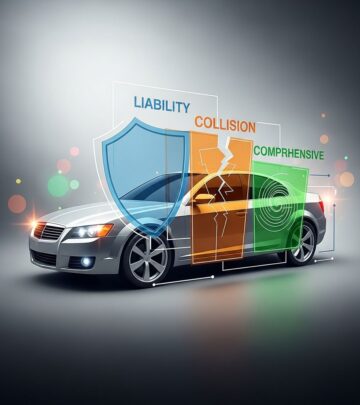
Liability coverage, which protects other parties for damages you cause, is required in nearly every state. You will need to specify your desired bodily injury and property damage liability limits. While state minimums vary, insurance professionals often recommend carrying higher limits than required, such as 100/300/100 ($100,000 per person, $300,000 per accident for bodily injury, and $100,000 for property damage).
If you have a financed vehicle, your lender will require comprehensive and collision coverage. You should decide on your deductible amount, which is the out-of-pocket amount you pay when filing a claim. Common deductible options include $250, $500, $1,000, or higher amounts. Selecting a higher deductible typically results in lower premiums but increases your financial responsibility if an accident occurs.
Optional coverage types include uninsured motorist protection, which covers you if hit by an uninsured driver, and uninsured/underinsured motorist coverage, which applies when the at-fault driver’s insurance is insufficient. Medical payments coverage or personal injury protection can cover medical expenses resulting from an accident regardless of fault.
Additional Information Insurers May Request
Beyond basic personal and vehicle information, insurance companies often gather supplementary details to refine their risk assessment and provide appropriate coverage.
Safety and Security Features
Many vehicles include anti-theft devices, alarm systems, and advanced safety features such as automatic emergency braking or collision avoidance systems. Disclosing these features may qualify you for safety discounts that reduce your insurance premiums.
Protective Devices and Modifications
If your vehicle has been modified with aftermarket parts or includes special equipment, inform your insurer. Custom modifications might affect your coverage or require endorsements to your policy. Similarly, if you have installed anti-theft tracking devices, this information could potentially lower your rates.
Household Driver Information
If other household members will operate your vehicle, insurance companies typically need their names, ages, and driving records. Young or inexperienced drivers in the household can significantly increase your overall insurance costs. Some insurers allow you to exclude household members from coverage, which may reduce premiums if you do not want them driving your vehicle.
Insurance History
Insurers often request information about any previous insurance coverage, including your prior insurer’s name and the dates of coverage. A continuous insurance history without gaps can lead to lower rates. Conversely, lapses in coverage may result in higher premiums or difficulty obtaining coverage from some insurers.
Documentation You Should Gather Before Applying
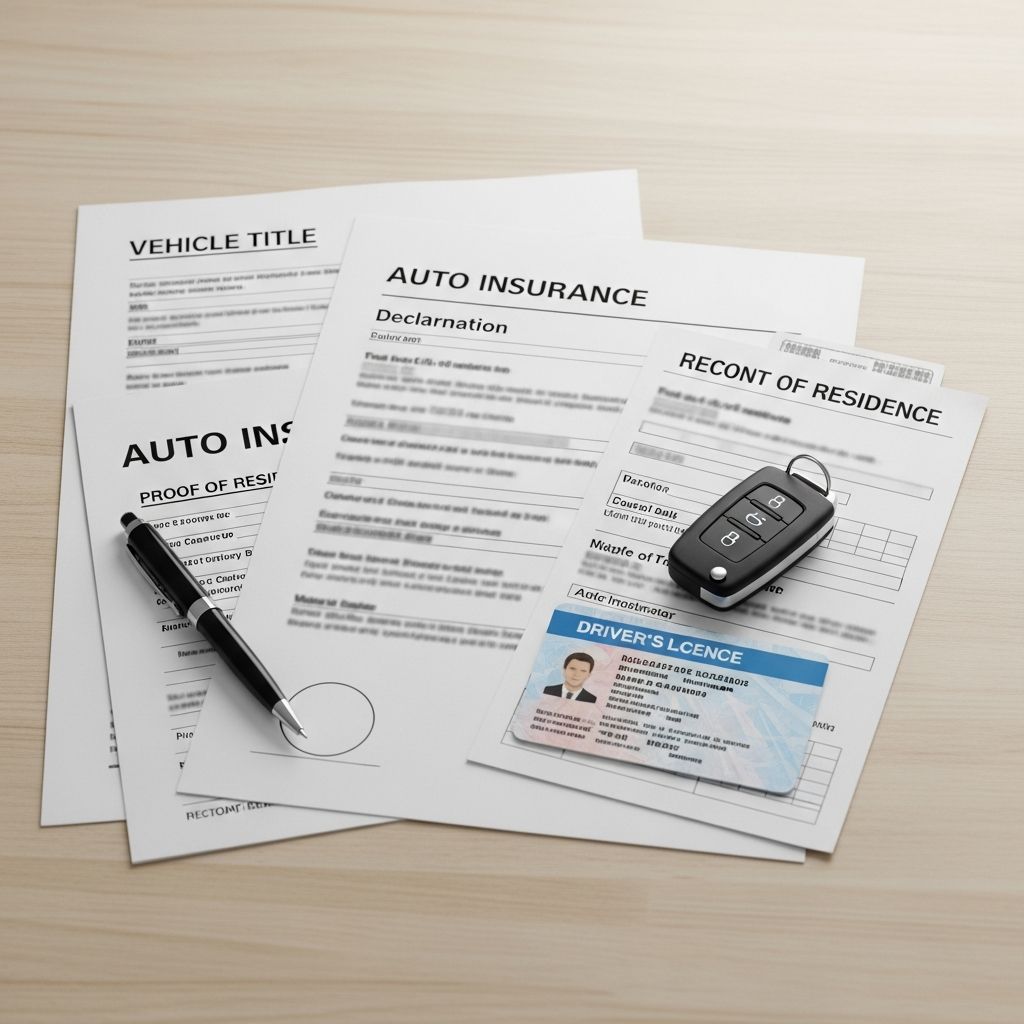
Preparing the following documents before contacting insurance companies will expedite the application process and help you provide accurate information:
- Valid driver’s license or identification card with current address
- Vehicle registration and title documents
- Vehicle identification number (VIN) or proof of vehicle ownership
- Current insurance policy information if switching from another insurer
- Information about any household members who will drive the vehicle
- Details about any safety features or anti-theft devices on your vehicle
- Records of recent traffic violations or accidents if applicable
- Proof of prior insurance coverage if maintaining continuous coverage
- Information about your vehicle’s annual mileage and primary usage
Financial Information Considerations
While insurance companies do not always require detailed financial information, they may ask about payment preferences. Understanding your budget allows you to determine appropriate coverage levels and deductible amounts.
Most insurance companies offer multiple payment options, including monthly installments, quarterly payments, semi-annual payments, or annual lump-sum payments. Paying your annual premium in full often qualifies you for discounts compared to monthly payment plans. Setting up automatic payments through your bank account may also reduce your rates.
Some insurers conduct credit checks as part of their underwriting process. Your credit score can influence your insurance rates in many states, as research suggests a correlation between credit behavior and insurance claims. However, a decline in your credit score does not automatically disqualify you from obtaining coverage.
The Application Process and Timeline
The insurance application process typically takes between 15 minutes and several hours, depending on whether you apply online, by phone, or in person. Online applications often provide the fastest option, allowing you to receive quotes immediately after entering your information.
After submitting your application, insurers review your information and may contact you to clarify details or request additional documentation. They will verify your driving record through state motor vehicle databases and confirm information about your vehicle through the National Insurance Crime Bureau database.
Most insurers can issue a policy effective almost immediately, sometimes within hours of approval. Some companies provide temporary coverage confirmation while your policy documents are being finalized. Once your policy is active, you will receive your insurance card and policy documents via mail or email.
Special Circumstances and Additional Requirements
Certain situations may require additional information or documentation when applying for auto insurance.
High-Risk Drivers
Drivers with extensive accident histories, multiple traffic violations, or suspended licenses may face challenges obtaining standard insurance. These drivers might need to use assigned risk pools or specialty insurers that serve high-risk populations. Additional documentation such as court records or reinstatement documents may be required.
Recently Licensed Drivers
New drivers, including teenagers and adult beginners, typically need to provide proof of completion of driver education courses. Some insurers offer discounts for successful completion of defensive driving programs, which may require certificates or course documentation.
Vehicle Modifications and Specialty Vehicles
If you own a classic car, modified vehicle, or specialty automobile, you may need to provide additional documentation including appraisals, photographs, or modification specifications. Insurance companies want to ensure they can accurately assess the value and risk associated with these vehicles.
Verification and Approval Process
After you submit your application with all required information and documentation, the insurance company conducts verification checks. These checks include confirming your identity, verifying your driving record through state databases, and researching any claims history through the Comprehensive Loss Underwriting Exchange (CLUE) database.
Insurance companies may also contact previous insurers to verify your coverage history and claims record. This verification process typically takes between 24 and 48 hours, though some insurers can complete it within hours for straightforward applications.
Once verification is complete and your application is approved, you become insured and can legally operate your vehicle on public roads in compliance with state insurance requirements.
Common Mistakes to Avoid
Providing inaccurate information on your insurance application can result in policy cancellation or denial of claims. Always ensure that information about your driving record, vehicle details, and usage patterns is truthful and complete.
Failing to disclose household members who will drive your vehicle can result in coverage gaps. Similarly, not mentioning high-risk driving activities, such as commercial delivery work, could result in claim denials if an accident occurs during those activities.
Delaying your application until the last moment may result in coverage lapses, which can lead to penalties and higher future premiums. It is advisable to apply for insurance at least a few days before your current policy expires.
Frequently Asked Questions
What happens if I cannot find my VIN?
You can locate your VIN on your vehicle’s dashboard (typically visible through the windshield), on your vehicle registration documents, or on your title paperwork. Your insurance agent can help you locate this information if you are still unable to find it.
Can I get insurance without a driver’s license?
Most insurance companies require a valid driver’s license to issue a policy. However, some states and insurers have specific provisions for licensed drivers in the household who will operate the vehicle.
How quickly can I get insurance after applying?
Many insurance companies can issue policies within hours of application approval. Some provide immediate temporary coverage while final documents are processed.
Will my insurance rates change if I add household members to my policy?
Yes, adding household members, particularly young or inexperienced drivers, typically increases your insurance premiums. Some insurers allow you to exclude household members from coverage to maintain lower rates.
What documentation do I need if I’m switching insurance companies?
When switching insurers, provide your current policy information, driver’s license, vehicle registration, and any documentation of safety features or discounts you currently receive. Your new insurer will verify your previous coverage with your prior insurer.
References
- State Minimum Car Insurance Requirements for 2026 Explained — Beach Insurance LLC. 2026. https://beachinsurancellc.com/insurance/state-minimum-car-insurance-requirements-for-2026-your-essential-guide/
- Car Insurance Requirements in Illinois (2026) — Insurify. 2026. https://insurify.com/car-insurance/illinois/minimum-requirements/
- Illinois Car Insurance Requirements 2026 — Parker and Parker Attorneys. 2026. https://www.parkerandparkerattorneys.com/blog/illinois-car-insurance-requirements/
- Iowa Auto Insurance Requirements — Open Exam Prep. 2026. https://open-exam-prep.com/exams/ia-property-casualty/ia-auto-casualty/ia-auto-insurance
Similar Articles








Read full bio of Sneha Tete