Auto Brokers vs Dealers: Key Differences
Discover how auto brokers and car dealers differ in service, pricing, and process to make the smartest vehicle purchase choice.
Choosing between an
auto broker
and acar dealer
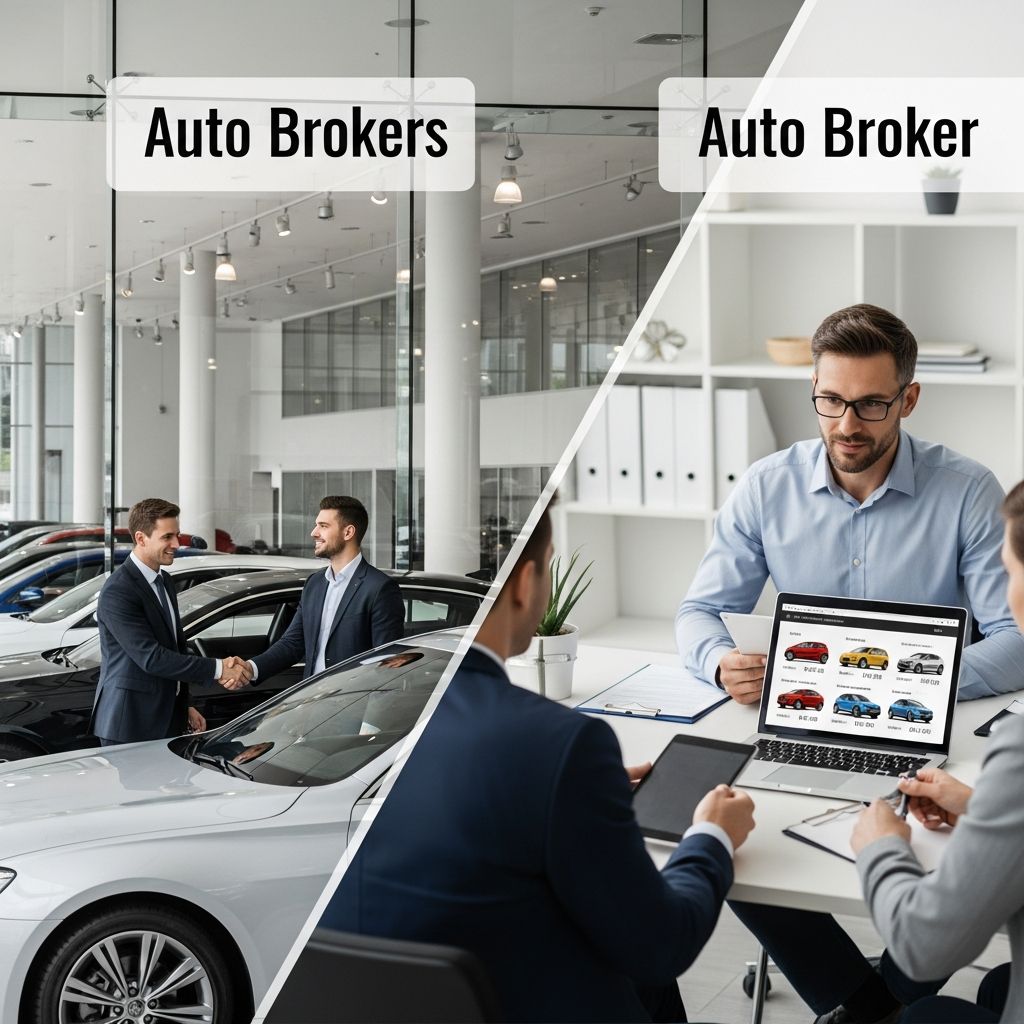
shapes your entire vehicle acquisition journey. Brokers serve as dedicated advocates sourcing options across markets, while dealers offer direct sales from owned stock with on-site experiences. This guide breaks down their operations, benefits, and best-fit scenarios to empower informed decisions.Defining the Core Roles
Auto brokers function as personalized matchmakers in the automotive world. They prioritize client specifications—budget limits, feature must-haves, and driving preferences—then scour dealerships, auctions, and wholesalers for ideal matches without owning any inventory themselves.
Car dealers, conversely, operate as full-service retailers maintaining physical lots stocked with vehicles acquired via manufacturer allocations, trade-ins, or auctions. Customers engage directly with this tangible selection, benefiting from immediate inspections and facility-based support.
Inventory Access and Variety
Brokers unlock expansive possibilities by tapping networks beyond single locations. This yields access to rare models, exclusive auction finds, or unadvertised stock, ideal for niche searches like specific trims or low-mileage exotics.
Dealers provide hands-on variety from their curated lots, enabling side-by-side comparisons. However, selections reflect current holdings, potentially limiting options during high-demand periods or for discontinued variants.
| Aspect | Auto Broker | Car Dealer |
|---|---|---|
| Inventory Source | Networks, auctions, multiple sellers | Owned lot stock |
| Selection Breadth | Broad, customized search | Site-specific, immediate |
| Availability Speed | Research-dependent (days-weeks) | Instant viewing |
Negotiation Dynamics and Cost Structures
Brokers excel in advocacy-driven bargaining, leveraging volume relationships and market insights to pressure sellers for concessions. Their flat fees—often $1,000-$2,500—cover sourcing, haggling, and logistics, aiming to offset via savings on vehicle price.
Dealers profit from markups on sales, financing, and add-ons like warranties or accessories. Buyers negotiate against these margins, but high-pressure tactics and bundled services can inflate totals unless countered adeptly.
- Brokers: Buyer-aligned, fee-transparent, multi-seller leverage
- Dealers: Inventory-driven profits, on-site financing perks, potential upsells
Step-by-Step Buying Experiences
Broker engagements start with in-depth consultations via calls or digital forms. Clients detail criteria; brokers compile shortlists with pricing intel, Carfax reports, and photos. Selected vehicles prompt arranged test drives at source locations, followed by broker-led paperwork and delivery.
Dealer processes emphasize showroom immersion: browse listings online or in-person, select for test drives, appraise trade-ins instantly, and finalize via finance teams offering loans or leases same-day.
Hands-On Elements: Test Drives and Trade-Ins
Dealers shine in immediacy—you drive candidates promptly, feel interiors firsthand, and secure trade-in credits reducing taxable amounts. Service departments handle post-sale needs seamlessly.
Brokers coordinate demos through partners, sometimes substituting third-party inspections or return policies. Trade-ins route via dealer partners or appraisers, adding steps but preserving negotiation focus.
Expertise Levels and Personalization
Brokers deliver tailored guidance rooted in market trends, pricing data, and client profiling. Time-strapped buyers or specification hunters gain from this concierge approach, minimizing dealership hopping.
Dealers provide broad expertise via sales teams versed in models, incentives, and financing. Relationship-building fosters loyalty perks like priority service or referrals.
Financial Models and Hidden Costs
Brokers earn via service fees, commissions from volume deals, or lease facilitation. Transparency varies; vetted ones disclose upfront, ensuring fees yield net savings.
Dealers layer revenue through vehicle sales, interest on loans, and service contracts. Savvy buyers watch for ‘market adjustments’ or mandatory packages inflating quotes.
Ideal Scenarios for Each Option
Opt for brokers when pursuing:
- Rare or custom configurations
- Superior negotiation without hassle
- Multi-state or auction-sourced vehicles
- Avoiding sales pressure
Choose dealers for:
- Urgent needs with instant test drives
- Trade-in simplicity and tax benefits
- Integrated financing and warranties
- Local, hands-on evaluation
Pros and Cons Breakdown
| Pros | Cons | |
|---|---|---|
| Auto Broker |
|
|
| Car Dealer |
|
|
Frequently Asked Questions
Are auto brokers licensed like dealers?
Regulations vary by state; many require dealer licenses for brokers handling sales, ensuring compliance with DMV standards.
Can brokers handle new and used cars?
Yes, they source both, often accessing factory orders or certified pre-owned programs unavailable to casual buyers.
Do dealers offer broker-like services?
Some provide fleet or concierge buying, blending elements but prioritizing their inventory.
How much do brokers typically charge?
Fees range $1,500-$2,000, covering full facilitation; elite services for luxury may exceed this.
Is using a broker worth the extra cost?
Often yes for complex searches, with savings from avoided markups recouping fees.
Navigating Regulations and Protections
Both face oversight: dealers via franchise laws and lemon protections; brokers under agent statutes requiring fiduciary duties. Verify credentials through state motor vehicle departments to sidestep unlicensed operators.
Contracts clarify expectations—brokers outline fees and timelines; dealers disclose incentives. Independent inspections safeguard quality regardless of path.
Future Trends in Auto Purchasing
Digital platforms erode traditional edges: virtual tours rival dealer lots, while broker apps aggregate auctions. Electric vehicle shifts amplify broker value for scarce models amid supply chains.
Hybrid models emerge, with dealers partnering brokers for expanded reach, blurring lines further.
References
- Auto Brokers vs. Auto Dealers: What’s the Difference? — ACV Auctions. 2023-05-15. https://www.acvauctions.com/blog/auto-broker-vs-auto-dealer
- Auto Broker Vs. Auto Dealer: What’s The Difference? — AutoTrek. 2024-02-10. https://www.autotrek.com/blog/auto-broker-vs-auto-dealer-whats-the-difference
- Auto Broker Vs. Auto Dealer: What’s the Difference? — iDrive Certified. 2023-11-20. https://idrivecertified.com/blog/auto-broker-vs-auto-dealer-whats-the-difference
- Auto Broker vs. Auto Dealer: What’s the Difference? — Capital One Auto Navigator. 2024-08-05. https://www.capitalone.com/cars/learn/getting-a-good-deal/auto-broker-vs-auto-dealer-whats-the-difference/2066
Similar Articles








Read full bio of medha deb