ATM Withdrawal Limits: Daily Limits and How to Increase Yours
Understand ATM withdrawal limits, why banks impose them, and strategies to access more cash.
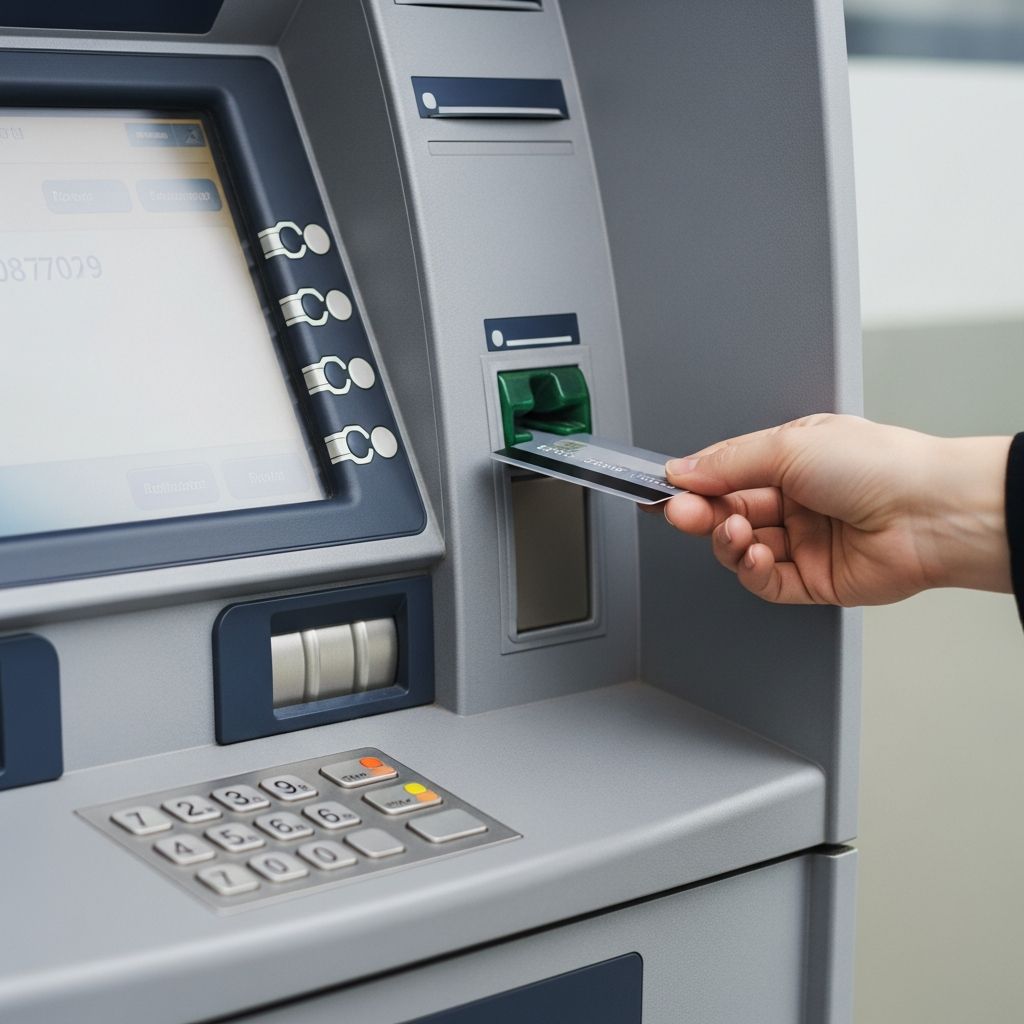
Understanding ATM Withdrawal Limits
When you need to withdraw cash from an automated teller machine (ATM), you may discover that your bank restricts the amount you can take out in a single day. These daily ATM withdrawal limits exist at virtually every financial institution and can range significantly depending on your bank and account type. Understanding these limits, the reasons behind them, and your options for working around them is essential for managing your finances effectively.
ATM withdrawal limits are typically set on a per-day basis and vary from bank to bank. While some banks may impose modest limits of $300 per transaction, others allow withdrawals up to $5,000 daily or more. The specific limit depends on your bank’s policies, your account type, your relationship with the institution, and sometimes even the individual ATM machine you’re using.
Why Banks Impose ATM Withdrawal Limits
Banks don’t restrict ATM withdrawals arbitrarily. Instead, these limits serve several important purposes designed to protect both customers and financial institutions. Understanding the rationale behind these restrictions can help you appreciate why they exist and how to work with your bank to meet your cash needs.
Fraud Prevention: The primary reason banks implement ATM withdrawal limits is to protect your account in case someone gains unauthorized access to your debit card and personal identification number (PIN). Should a thief obtain both your card and PIN, withdrawal limits ensure they cannot drain your entire account in a single transaction. This security measure significantly reduces potential losses from identity theft and fraud.
ATM Cash Availability: ATM machines contain only a limited amount of cash at any given time. By imposing withdrawal limits, banks ensure that cash remains available for all customers throughout the day, rather than allowing one person to deplete an ATM’s supply completely. This helps maintain operational efficiency and ensures equitable access to cash for all customers.
Risk Management: From the bank’s perspective, withdrawal limits also help manage operational risk. Large daily cash outflows can complicate cash management and liquidity planning. By capping individual withdrawals, banks can better predict and manage their cash flow needs.
Typical ATM Withdrawal Limits at Major Banks
ATM withdrawal limits vary considerably across financial institutions. Here’s what some of the largest and most popular banks currently allow:
| Bank | Daily ATM Withdrawal Limit |
|---|---|
| Ally Bank | $1,000 per day (new customers may have $500 limit for first 90 days) |
| American Express National Bank | $1,000 per day |
| Bank of America | $1,000 per day (or 60 bills maximum per transaction) |
| Capital One | $5,000 per day with debit card; $200 via mobile app |
| Citibank | $1,500-$2,000 per day (varies by account type) |
| Discover Bank | $2,000 per day |
| Regions Bank | $808 per day |
| TD Bank | $1,250 per day (standard); $1,500 for Private Clients |
As you can see, limits vary widely—from as low as $200 when using certain withdrawal methods to as high as $5,000 daily. Many large banks like BMO, KeyBank, U.S. Bank, and Wells Fargo adjust their limits based on the specific account type you maintain with them, so it’s important to check your bank’s individual policies.
Factors That Influence Your Withdrawal Limit
Your bank doesn’t necessarily apply the same ATM withdrawal limit to all customers. Several factors can influence the specific limit you’re assigned:
Account Type
Premium or private banking accounts typically offer higher withdrawal limits than standard checking accounts. If you maintain a significant account balance or have multiple products with your bank, you may qualify for elevated limits.
Customer Relationship and History
Banks often consider how long you’ve been a customer and your account history. Long-standing customers with good standing may receive higher limits than new account holders. Some banks, like Ally, may temporarily restrict new customers to $500 daily for the first 90 days before increasing limits to $1,000.
Withdrawal Method
Different withdrawal methods may have different limits. For example, Capital One allows $5,000 daily when using a debit card but only $200 when withdrawing through their mobile app.
Individual ATM Machine Limits
Even if your bank allows you to withdraw $1,000 daily, a specific ATM machine might have its own lower limit—perhaps only allowing $300 per transaction. This happens because individual machines have limited cash supplies and their own operational constraints.
How to Request an Increased ATM Withdrawal Limit
If your bank’s default ATM withdrawal limit doesn’t meet your needs, you have options. Many banks will consider increasing your limit based on your specific circumstances and relationship with the institution.
Contact Your Bank Directly
The first step is to call your bank’s customer support team or visit your local branch to discuss your needs. Explain why you need a higher limit—whether you’re going on vacation, making a large purchase, or conducting business that requires significant cash withdrawals. Community and regional banks are often particularly flexible with this process, as relationship managers know their customers personally and can make decisions tailored to individual circumstances.
Request a Temporary or One-Time Increase
Some banks, like Ally, allow customers to request one-time extended limits for specific situations. This might work well if you anticipate a one-time need for extra cash rather than a permanent increase.
Build Your Banking Relationship
Banks are more likely to accommodate limit increases for customers they know well and trust. Maintaining a healthy account balance, having direct deposits set up, and keeping your account in good standing all strengthen your relationship with your bank and increase the likelihood they’ll work with you on limit increases.
Strategies to Access More Cash Than Your Daily ATM Limit
If you need cash beyond your ATM withdrawal limit and your bank won’t increase it, several alternatives exist:
Withdraw Cash at a Bank Teller
Bank tellers can process withdrawals beyond your ATM limit. If you need $2,000 but your ATM limit is $1,000, you can visit a bank branch during business hours and withdraw the full amount directly from a teller. This option isn’t subject to the same restrictions as ATM withdrawals.
Spread Withdrawals Over Multiple Days
If you have time, you can split larger cash needs across several days. For example, if you need $600 and your daily ATM limit is $300, simply withdraw $300 on one day and $300 on the following day. This approach works well for planned expenses but may not help with emergency cash needs.
Use Cashback at Retail Locations
When you make a debit card purchase at a grocery store, pharmacy, or other retail location, you can request cash back from the transaction. Many stores allow cashback amounts that may exceed your ATM limit. Note that this cashback typically counts toward your point-of-sale transaction limit, which may be different from your ATM limit. However, individual retailers may impose their own limits on cashback amounts.
Switch to a Different Bank
If you consistently need more cash than your current bank allows, switching to a bank with higher ATM withdrawal limits is a viable long-term solution. Compare ATM limits across banks before making the switch, and ensure the new bank’s other features and fees also work for you.
Distinction Between ATM Limits and Debit Card Spending Limits
It’s important to understand that ATM withdrawal limits are separate from your overall debit card spending limit. You might have a $1,000 daily ATM withdrawal limit but a $2,000 daily debit card spending limit. This means you can spend up to $2,000 daily on debit card purchases at stores, but you can only withdraw $1,000 in cash from ATMs. These limits serve different purposes and are managed independently by your bank.
How Regulation D Affects Withdrawal Limits
While ATM withdrawals are typically unlimited, it’s worth noting that Regulation D formerly limited savings account withdrawals to six per month. The Federal Reserve suspended this requirement in April 2020, though many banks still enforce their own internal six-withdrawal limits on savings accounts. However, these restrictions apply to electronic transfers and other convenient transactions—ATM withdrawals and in-person teller withdrawals generally remain unlimited even at banks that maintain withdrawal limits on other transaction types.
Frequently Asked Questions About ATM Withdrawal Limits
Q: What is the average daily ATM withdrawal limit?
A: Most banks set daily ATM withdrawal limits between $500 and $1,500. However, some banks allow $5,000 or more, while others may limit you to $300 or less depending on your account type.
Q: Can I withdraw more money by visiting a bank branch instead of using an ATM?
A: Yes, absolutely. Bank tellers can process cash withdrawals without the same restrictions that apply to ATM transactions, making it possible to access more cash than your ATM limit allows.
Q: Do ATM withdrawal limits reset daily?
A: Yes, most ATM withdrawal limits reset at midnight, allowing you to make a new full withdrawal at the start of each day. However, check with your specific bank to confirm how and when their limits reset.
Q: Is there a fee if I try to withdraw more than my daily limit?
A: Most ATMs will simply refuse the transaction if you try to exceed your limit, rather than charging a fee. The transaction will be declined, and you’ll need to adjust your withdrawal amount.
Q: Will all ATMs have the same withdrawal limit?
A: No. Your bank’s limit is the maximum, but individual ATM machines may have lower limits based on their cash supply and programming. You might encounter a $300 limit at one ATM even though your bank allows $1,000 daily.
Q: Can I get a permanent increase to my ATM withdrawal limit?
A: Many banks will grant permanent increases if you request them and have a good relationship with the institution. Contact your bank’s customer service or visit a branch to discuss your needs.
Q: Do new customers have different ATM limits?
A: Some banks do impose lower limits on new customers during an introductory period. For example, Ally Bank limits new customers to $500 daily for their first 90 days before increasing limits to $1,000.
Conclusion
ATM withdrawal limits are a standard banking practice designed to protect your account from fraud and help banks manage their cash resources efficiently. While these limits can be frustrating when you need quick access to large amounts of cash, understanding why they exist and knowing your options for working around them puts you in control of your finances. Whether through requesting a limit increase, visiting a teller, using cashback options, or switching banks, you have multiple ways to access the cash you need. Take time to understand your specific bank’s policies and consider proactively communicating with your bank about your cash needs to find solutions that work for your situation.
References
- Daily ATM withdrawal limits: How much money can you take out? — AOL Finance. https://www.aol.com/finance/daily-atm-withdrawal-limits-much-180402860.html
- Regulation D And Savings Account Withdrawal Limits — Bankrate. https://www.bankrate.com/banking/savings/regulation-d/
- Automated Teller Machine (ATM): What It Is And How To Use One — Bankrate. https://www.bankrate.com/banking/what-is-an-atm/
- How To Avoid ATM Fees — Bankrate. https://www.bankrate.com/banking/how-to-avoid-atm-fees/
- Debit-card spending limits: How to increase yours — Bankrate. https://www.bankrate.com/banking/checking/debit-card-spending-limits/
- Survey: ATM Fees Hit Record High For Third Straight Year — Bankrate. https://www.bankrate.com/banking/checking/checking-account-survey/
Similar Articles








Read full bio of Sneha Tete