ATM Skimming: 5 Quick Checks To Protect Your Money
Discover how criminals steal your card data at ATMs and master proven strategies to safeguard your finances from this pervasive threat.
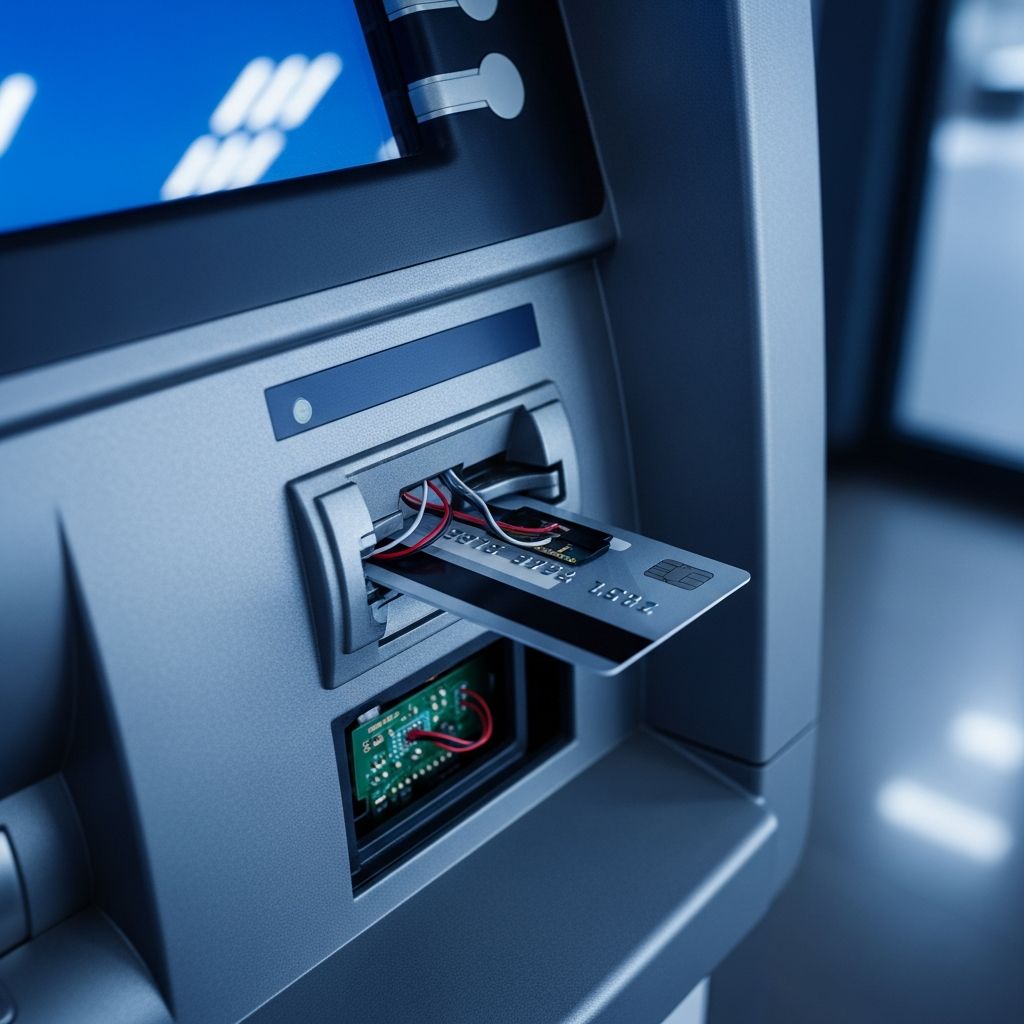
Automated Teller Machines provide convenient access to cash, but they also attract sophisticated criminals deploying skimming devices to capture card details and PINs. These fraudsters install compact hardware overlays on card readers and keypads, silently harvesting data from thousands of users daily. Understanding the mechanics of these attacks empowers individuals to transact securely and minimize risks.
The Hidden Mechanics of Skimming Devices
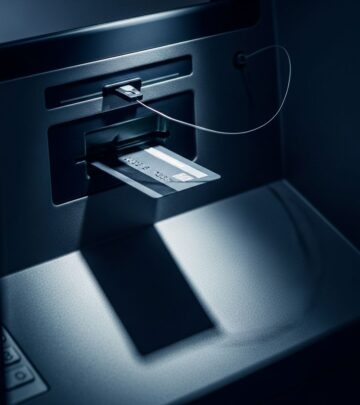
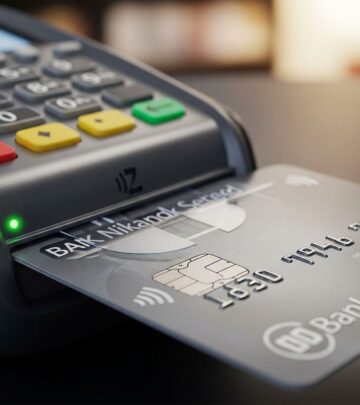
Skimming involves attaching unauthorized readers to legitimate ATMs or payment terminals, intercepting magnetic stripe or chip data during insertions. Traditional skimmers are thin plastic overlays mimicking official card slots, while shimmers target EMV chip cards by squeezing between the card and reader to extract encrypted information. Criminals pair these with pinhole cameras or keypad overlays to record PIN entries, creating complete profiles for counterfeit cards.
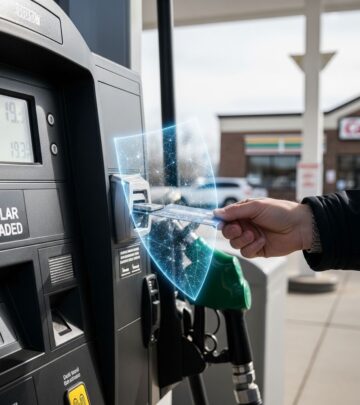
Advanced variants include Bluetooth-enabled skimmers that transmit stolen data wirelessly, allowing thieves to operate remotely without retrieving devices manually. These wireless units blend generic device names into Bluetooth scans, evading casual detection. Gas pumps and standalone ATMs in low-traffic spots like convenience stores pose elevated dangers due to infrequent maintenance and easy access panels.
High-Risk Locations and Why They Matter
Criminals favor isolated or poorly monitored machines. Outdoor ATMs in dim areas, standalone units at bars, or unattended gas station pumps enable undisturbed installations. In contrast, bank-branch interiors with surveillance and staff oversight deter tampering.
| Location Type | Risk Level | Reasons |
|---|---|---|
| Bank interiors | Low | Cameras, staff, regular checks |
| Well-lit supermarkets | Medium | High traffic, visibility |
| Standalone outdoor | High | Isolation, no oversight |
| Gas pumps | Very High | Easy access, high volume |
This comparison highlights the need for location-based caution, as risk correlates directly with visibility and maintenance frequency.
Step-by-Step Inspection Guide for Safe ATM Use
Before inserting your card, conduct a thorough visual and physical check to identify compromises.
- Pull the card reader: Tug firmly on the slot; genuine parts resist, while overlays slip off.
- Wiggle the keypad: Authentic keypads stay flush; loose ones signal overlays.
- Examine the fascia: Look for mismatched colors, textures, glue residue, or extra panels around the screen and bezel.
- Scan surroundings: Note loiterers with phones or unusual Bluetooth signals via your device’s settings.
- Compare machines: Side-by-side differences in adjacent ATMs often reveal tampering.
These actions take under 30 seconds but drastically reduce victimization odds.
Smart Transaction Habits to Outmaneuver Fraudsters
Beyond inspections, adopt habits that render skimmers ineffective.
- Prioritize chip inserts: EMV chips generate dynamic codes per transaction, unlike clonable magnetic stripes.
- Shield your PIN: Always cup the keypad with your free hand, blocking cameras from any angle.
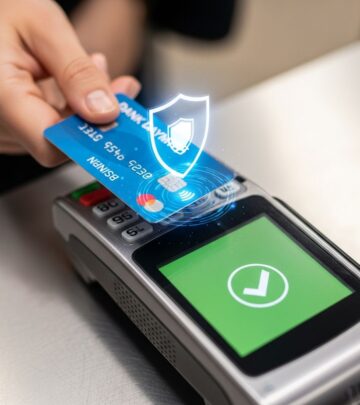
- Opt for contactless: Mobile wallets or NFC taps bypass physical readers entirely; enable ATM contactless withdrawals where available.
- Timing matters: Use machines during daylight or business hours when crowds provide natural deterrence.
For purchases, treat debit as credit to skip PIN entry, or use credit cards which offer superior fraud liability protection.
Leveraging Technology for Enhanced Protection
Modern tools fortify defenses against evolving threats. Banks now deploy anti-skimming tech like jamming signals that disrupt unauthorized readers. Consumers benefit from real-time alerts via apps, flagging transactions instantly. Tokenization replaces card numbers with single-use tokens in digital payments, neutralizing intercepted data.
Enable all notifications for withdrawals over set amounts, and set low daily limits matching your habits. Apps from the FTC aid recovery by pre-filling dispute forms.
Proactive Account Monitoring: Your First Line of Defense
Vigilance post-transaction prevents minor incidents from escalating. Review statements daily through mobile banking, scrutinizing every charge. Immediate reporting limits liability—federal laws cap debit fraud losses at $50 if notified promptly.
- Sign up for SMS/email alerts on all activity.
- Log in weekly for full scans, even with alerts.
- Report anomalies within 60 minutes for fastest resolution.
- Freeze cards instantly via apps if suspicious.
Update auto-payments post-replacement and document all bank interactions.
Responding Swiftly to Suspected Compromise
If fraud appears, act decisively:
- Contact your bank 24/7 fraud line immediately.
- Request a new card and PIN reset.
- File a police report for records.
- Dispute charges via FTC templates.
Businesses should maintain PCI compliance, scan for e-skimming, and prepare incident plans.
FAQs: Common Questions on ATM Security
What if I spot a skimmer? Do not use the machine; notify the bank or owner and call local police. Snap discreet photos as evidence.
Are all ATMs equally risky? No—bank-operated ones are safest due to monitoring.
Can I detect Bluetooth skimmers easily? Check your phone for odd nearby devices, especially in quiet areas.
How effective are chips against skimming? Highly— they prevent data cloning, though shimmers attempt extraction.
What about travel? Verify ATM locations via bank apps and stick to major institutions.
Building Long-Term Financial Resilience
Reduce ATM reliance by planning cash needs: get cashback at retailers or use peer-to-peer transfers. Diversify with virtual cards for online use. Educate family on these tactics, as collective awareness amplifies safety.
Financial institutions invest in EMV, end-to-end encryption, and AI fraud detection, but user habits remain pivotal. By inspecting rigorously, transacting wisely, and monitoring relentlessly, you reclaim control from thieves.
References
- How to Protect Yourself from ATM Skimming and Shimming — SCU. 2023. https://www.scu.org/how-to-protect-yourself-from-atm-skimming-and-shimming/
- Understanding Skimming and How to Prevent It — Flagright. 2024. https://www.flagright.com/post/understanding-skimming-and-how-to-prevent-it
- Essential Tips to Avoid ATM Skimming — McAfee. 2024-01-15. https://www.mcafee.com/blogs/internet-security/security-threat-concerns-atm-industry/
- ATM Skimming | Fraud Protection & Alerts — Montgomery Bank. 2023. https://www.montgomerybank.com/fraudprotectionandalerts/atm-skimming
- Skimming: What is it and how to protect yourself against it? — Santander. 2023. https://www.santander.com/en/stories/skimming
Similar Articles








Read full bio of medha deb