ATM Errors: Steps to Resolve and Recover Funds
Discover practical solutions for common ATM glitches, from cash not dispensing to card retention, and learn how to safeguard your money effectively.
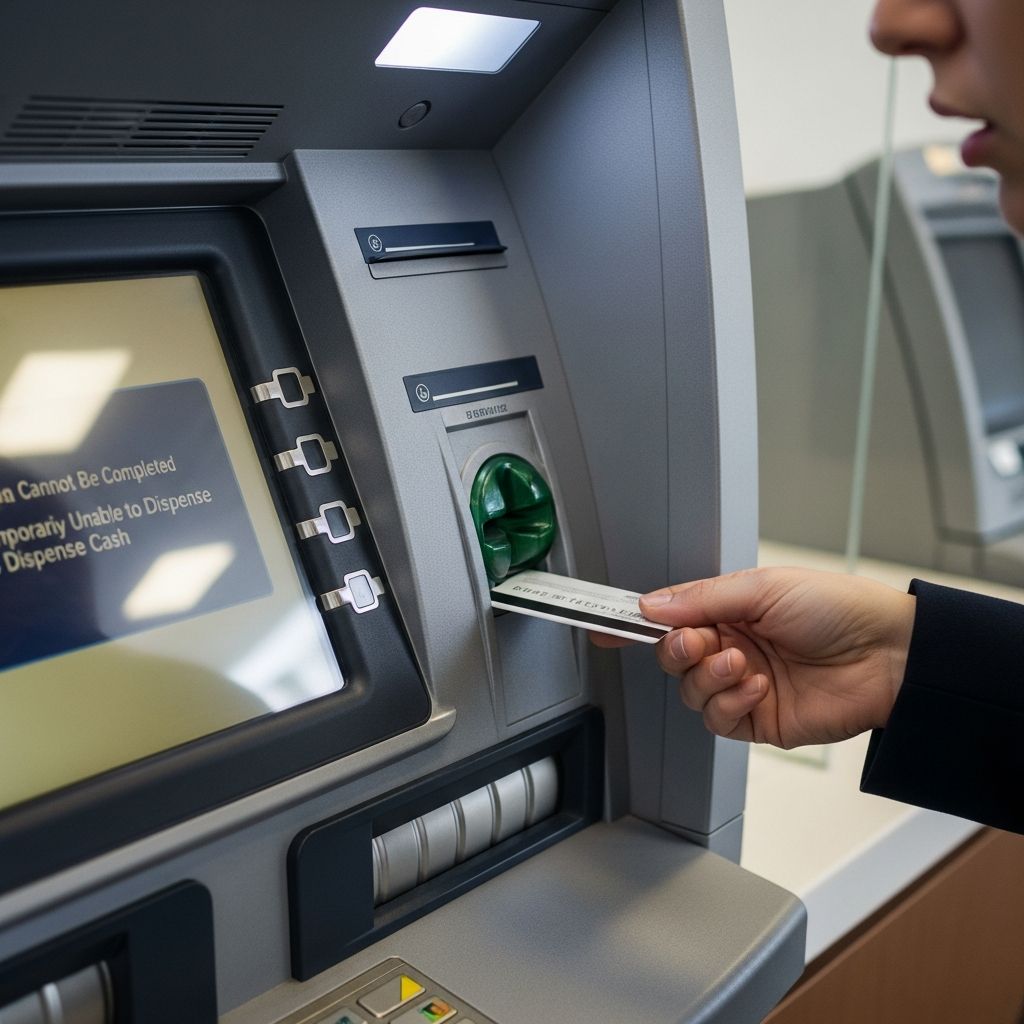
Automated Teller Machines (ATMs) provide convenient access to cash, but technical glitches can lead to frustrating experiences such as money debited without cash received or cards getting stuck. Understanding how to handle these issues promptly protects your finances and ensures quick resolutions. This article outlines common problems, immediate actions, resolution processes, and preventive measures.
Recognizing Frequent ATM Transaction Failures
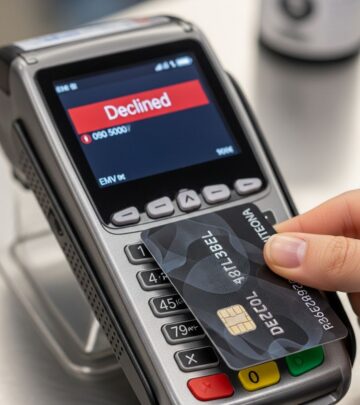
ATM malfunctions often stem from hardware issues, network disruptions, or user errors. Key problems include cash not dispensing after account debit, cards retained unexpectedly, incorrect amounts withdrawn, and machines displaying out-of-service messages. These disruptions affect millions of users annually, with cash dispensing failures being among the most reported.
Hardware-related errors, like jammed currency paths or faulty sensors, trigger specific codes visible on the screen. For instance, error code 37 indicates prolonged time at the exit sensor, often due to blockages. Similarly, code 110 points to trailing edge timeouts from jams in the feed path. Recognizing these signs allows for targeted troubleshooting.
Immediate Response When Cash Fails to Dispense
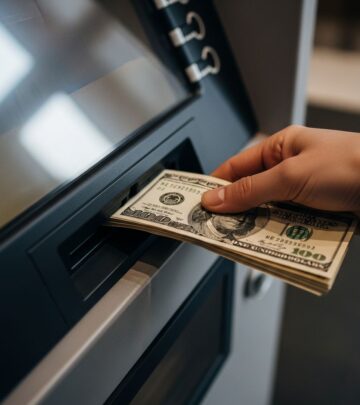
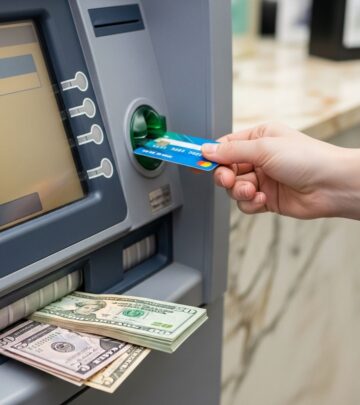
The most prevalent issue occurs when an ATM debits your account but fails to release cash. This can result from insufficient machine cash, connectivity problems, or mechanical jams.
- Verify the transaction: Check your banking app or SMS alerts immediately to confirm the debit.
- Retain evidence: Keep the receipt, noting the transaction ID, time, and amount. Photograph the screen if it shows an error code.
- Avoid retries: Do not attempt another withdrawal at the same machine to prevent multiple debits.
Next, contact your bank’s customer service using the number on your card or ATM. Provide all details for swift investigation. Banks typically reverse erroneous debits within 24-48 hours if no cash was dispensed.
Handling Card Retention Incidents
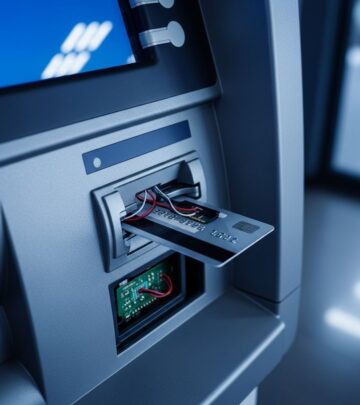
ATMs retain cards due to repeated incorrect PIN entries, detected fraud, or reader malfunctions. If this happens:
- Do not leave the machine: Note any error message and location.
- Call the bank hotline: Report the retention immediately to block the card and prevent unauthorized use.
- Visit a branch: Banks often retrieve retained cards within hours if not flagged for security.
For damaged or expired cards, request a replacement. In fraud cases, monitor accounts closely and enable transaction alerts.
Addressing Double Debits or Wrong Account Charges
System glitches may cause duplicate charges or debits from incorrect accounts. Document the transaction IDs and timestamps, then report to your bank. Regulatory guidelines mandate quick reversals for proven errors. Use online dispute forms for faster processing.
| Issue | Common Causes | Resolution Time | Action Steps |
|---|---|---|---|
| Cash not dispensed | Jam, low cash, network fail | 24-48 hours | Call bank, provide txn ID |
| Double debit | Software glitch | 3-5 days | File dispute online |
| Card retained | Wrong PIN, damage | Immediate to 1 day | Block card, visit branch |
| Wrong amount | Dispenser error | 24 hours | Photo evidence, report |
Interpreting and Fixing ATM Error Codes
Many ATMs display numeric codes for diagnostics. Here’s how to address prevalent ones based on technical guides:
- Error 37 (Too long at exit): Clear jams, clean exit sensor, test dispense. Power cycle if needed.
- Error 50 (Interference recovery): Check grounding, purge dispenser, replace if persistent.
- Error 110 (Trailing edge timeout): Remove jams, purge, verify sensors.
- Error 40047 (Dispenser error): Inspect mechanism, consult manual for first-line maintenance.
Owners perform basic fixes like purging or sensor cleaning, escalating to technicians for complex issues. Customers should report codes to banks for logging.
Filing Formal Disputes and Regulatory Protections
If initial reports don’t resolve within days, file a formal dispute. U.S. Electronic Fund Transfer Act (Regulation E) limits liability for unauthorized errors and requires banks to investigate within 10 days, provisionally crediting funds if over 10 days. Provide:
- Transaction details
- Account statements
- ATM location and photos
For international users, similar protections exist via central banks. Track case numbers and follow up weekly.
Preventive Strategies for Smoother ATM Use
Minimize risks by:
- Using bank-owned ATMs over independents.
- Checking balances before large withdrawals.
- Opting for smaller amounts if limits apply.
- Employing contactless payments or apps as backups.
- Regularly reviewing statements for discrepancies.
ATM operators enhance reliability by routine maintenance, reducing downtime.
When ATMs Show ‘Out of Service’
Machines out of cash or under maintenance display warnings. Try nearby alternatives or digital wallets. Persistent issues at one location warrant bank notification for servicing.
FAQ
What if ATM debits money but gives no cash?
Contact your bank with transaction details immediately. Expect reversal in 24-48 hours.
How to retrieve a stuck ATM card?
Call the bank’s helpline to report and block it, then visit a branch.
What’s the typical timeline for error refunds?
Provisional credits within 10 days under Regulation E; full resolution in 45 days max.
Should I try another ATM after a failed transaction?
No, resolve with the bank first to avoid complications.
Are error codes user-fixable?
Basic ones yes via cleaning; complex require professionals.
Advanced Troubleshooting for ATM Owners
Owners handle first-line maintenance: power cycles, jam clears, sensor checks. For SLM, certified techs address diverter or transport failures. Regular audits prevent 70% of dispensing issues.
In summary, prompt reporting and documentation resolve most ATM errors efficiently. Stay vigilant to protect your funds.
References
- ATM Error Codes — ATM Experts. Accessed 2026. https://www.atmexperts.com/atm_error_codes.php
- Common ATM Errors and How to Fix Them — Paytm. 2023. https://paytm.com/blog/atm/common-atm-errors-fix/
- Why Your ATM Isn’t Dispensing Cash and How to Fix It Fast — ChooseATM. 2024. https://www.chooseatm.com/blog/atm-machine-not-working
- ATM Troubleshooting Guide — Touchpoint. 2025. https://touchpoint.pk/news-updates/atm-troubleshooting-guide/
- 5 Common ATM Error Codes and How to Fix Them — ATM Depot. 2024. https://atmdepot.com/articles/atm-error-codes/
- Common ATM Problems and Solutions — Wavetec. 2025. https://www.wavetec.com/blog/banking/atm-problems-solutions/
Similar Articles








Read full bio of Sneha Tete