ATM Deposits: Understanding the Risks and Safety
Learn essential ATM deposit risks and proven security strategies to protect your money.
ATM Deposits: Understanding the Risks and Safety Precautions
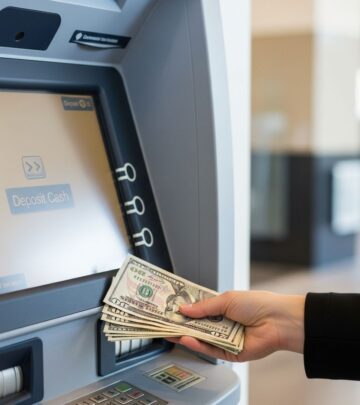
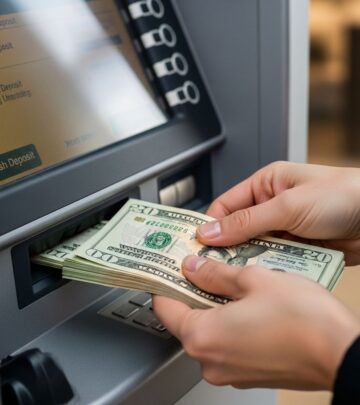
Automated Teller Machines (ATMs) have become an integral part of modern banking, offering convenience and accessibility 24/7. However, making deposits at ATMs introduces various security risks that consumers must understand and actively mitigate. Whether you’re depositing checks, cash, or conducting other transactions, being aware of potential threats and implementing proper safety measures is essential to protect your financial assets and personal information.
Understanding ATM Deposit Risks
Making deposits at ATMs carries several distinct risks that differ from traditional in-person banking. These risks range from personal security threats to technological vulnerabilities and fraud schemes. Understanding these dangers is the first step toward protecting yourself and your money.
Personal Security and Physical Threats
One of the most significant risks associated with ATM deposits is personal safety. ATMs are often located in areas that may not be adequately staffed or monitored, making them potential targets for criminals. Individuals using ATMs, particularly at night or in isolated locations, face elevated risks of robbery, assault, or harassment. Criminals may observe customers withdrawing cash or making deposits and follow them to steal their money or personal belongings. The vulnerability increases substantially when using ATMs in poorly lit areas, remote locations, or neighborhoods with higher crime rates.
Skimming and Card Cloning
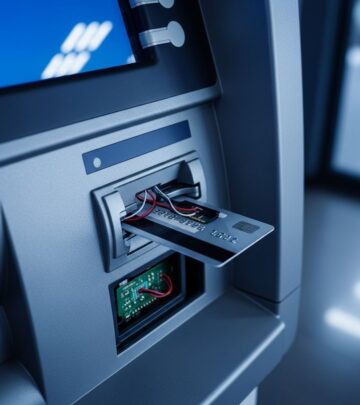
Skimming represents a sophisticated technological threat to ATM security. Thieves install devices called skimmers on legitimate ATM card slots to read and record credit or debit card information without the customer’s knowledge. These devices can capture your card number, expiration date, and even your PIN, allowing criminals to clone your card and access your account. Skimmers are designed to blend seamlessly with the ATM’s appearance, making them difficult for the average user to detect. Some advanced skimmers also incorporate hidden cameras positioned above the keypad to record PIN entries, creating a complete profile of your card and access credentials.
PIN Compromise
Your Personal Identification Number (PIN) is your first line of defense against unauthorized access to your account. However, criminals employ various tactics to capture this sensitive information. Shoulder surfing—where someone stands behind you and watches you enter your PIN—remains a common threat, particularly in crowded locations. More sophisticated methods include thermal imaging cameras that can detect which keys you pressed based on residual heat, even after you’ve left the ATM. Criminals may also use overlay keypads or specialized glasses to observe which numbers are entered.
Deposit Envelope Fraud
ATM deposit envelopes offer an additional vulnerability that consumers often overlook. Accepting or using deposit envelopes prepared by others creates significant fraud risks. Unscrupulous individuals may prepare envelopes containing fraudulent checks, counterfeit bills, or invalid documents intended to deceive both you and the bank. Never accept pre-prepared deposit envelopes from anyone, regardless of what they claim is inside. Furthermore, deposits made through ATM envelopes may take longer to process, increasing the window of vulnerability for fraudulent activity.
Technical and System Failures
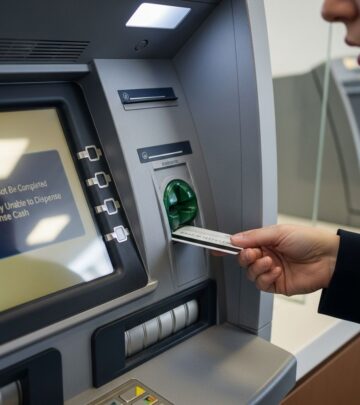
ATMs, like all technological systems, can malfunction or experience errors. Deposit verification systems may fail to properly record transactions, resulting in lost deposits. Technical glitches can prevent the ATM from accurately counting cash deposits or properly scanning checks, leading to discrepancies between what you deposited and what your account reflects. These technical failures can result in missing funds, disputed transactions, and the burden of proof falling on you to verify your deposit.
Device Tampering and Maintenance Issues
Poorly maintained ATMs may contain internal components that have been tampered with by criminals. Malfunctioning parts, deteriorating card readers, or damaged keypads can compromise security and lead to card retention or transaction errors. ATMs that haven’t been properly inspected or serviced may have security vulnerabilities that criminals have deliberately created or exploited.
Selecting a Safe ATM Location
The location where you choose to use an ATM significantly impacts your overall security and risk exposure. Selecting a secure ATM is the foundation of safe banking practices.
Optimal Location Characteristics
Choose ATMs located in well-lit, highly visible areas with strong natural surveillance and pedestrian traffic. ATMs positioned near the center of buildings rather than in corners provide better sightlines and reduce the potential for surprise attacks. Locations facing public streets with high vehicular and foot traffic offer natural deterrents to criminals because of increased witness potential and visibility. Additionally, parking spaces should be marked and positioned close to the ATM to minimize travel distance and exposure time.
Avoid High-Risk Locations
Stay away from ATMs located in isolated areas, dark corners, or locations with limited visibility. Avoid ATMs surrounded by landscaping, decorative barriers, or architectural features that create hiding areas for potential assailants. ATM locations with large perimeter parking lots and multiple entry and exit points increase vulnerability. Locations lacking surveillance cameras or security personnel represent higher-risk options. If an ATM appears obstructed, poorly lit, or suspicious in any way, relocate to an alternative ATM in a more secure location.
Security Monitoring and Personnel
Prioritize ATMs monitored by surveillance cameras operational 24/7 and regularly inspected by professionals. ATMs with security officer presence or patrol provide an additional layer of protection. During night hours, choose ATMs in bank lobbies or financial institutions that remain accessible and monitored, rather than standalone street-side machines. Bank ATMs generally offer superior security protocols and monitoring compared to non-bank ATM networks.
Pre-Transaction Security Measures
Preparing before you arrive at the ATM significantly reduces your vulnerability window and transaction time at the machine.
Preparation at Home
Prepare all deposit materials before leaving your home or office. Complete deposit slips, organize checks, count cash, and arrange envelope contents away from the ATM location. This preparation minimizes the time you spend at the machine completing administrative tasks while exposed to potential threats. Maintain a small supply of deposit envelopes at home so you have properly prepared materials for unexpected deposits.
Personal Identification Protection
Memorize your PIN and never write it down, store it in your wallet, or communicate it to anyone, including bank employees or law enforcement. Your PIN should remain known only to you. Do not allow anyone else to enter your PIN on your behalf at point-of-sale terminals or ATMs. Protect your ATM card like you would protect cash or checks—keep it in a secure location and never leave it lying around your home or office.
Environmental Awareness
Before approaching an ATM, observe your surroundings carefully. Look for suspicious activity, unfamiliar individuals loitering near the machine, or vehicles parked in close proximity with occupants present. Be aware of anyone watching ATM users or monitoring the area. If you notice anything suspicious, leave immediately and return at a later time. Trust your instincts—if something feels wrong, it probably is.
During Transaction Security
Your actions while conducting the actual ATM transaction significantly impact your safety and the security of your financial information.
PIN and Keypad Protection
Shield the ATM keypad from anyone who might be observing. Use your body as a physical barrier, positioning yourself between the machine and other people. Press keys deliberately and completely. Consider entering additional numbers alongside your actual PIN to confuse anyone using thermal imaging or watching your key selections. Cover the keypad with your other hand while entering your PIN to block visibility from shoulder surfers or video recording devices.
Inspect for Skimming Devices
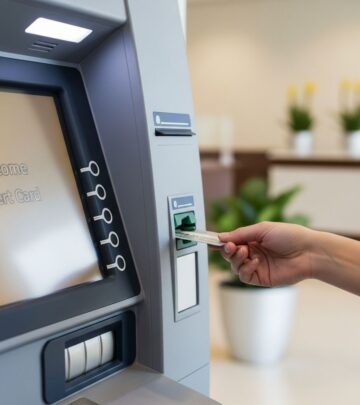
Visually examine the card slot area for signs of tampering before inserting your card. Look for sticky residue, adhesive evidence, loose components, scratches, crooked pieces, or noticeable resistance when manipulating the card reader. Gently jiggle the card slot—if any part is loose or moves unexpectedly, use a different ATM. Check for suspicious attachments, overlays, or extra pieces that shouldn’t be part of the machine’s standard appearance. Modern skimmers are increasingly sophisticated, so any irregularity warrants caution.
Money and Receipt Handling
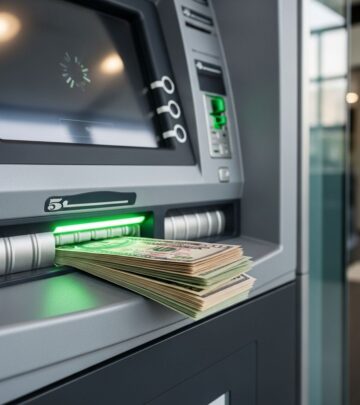
Never count or visually display money received from the ATM at the transaction location. Immediately place withdrawn cash into your pocket or purse without examining it. Count and verify your money in a secure location away from the ATM. Always take your receipt or transaction record with you for verification purposes. Do not leave receipts at the ATM, as they contain sensitive transaction information that could be misused.
Drive-Up and Walk-Up ATM Protocols
Different ATM formats require specific safety approaches tailored to their unique environment and usage patterns.
Drive-Up ATM Safety
When using drive-up ATMs, keep your car doors locked and all windows closed except the driver’s window. Keep your vehicle engine running throughout the transaction. Maintain enough space between your vehicle and the one ahead to allow quick exit if necessary. Monitor your surroundings carefully for any suspicious activity. If anything appears suspicious, cancel your transaction immediately and drive away to a safe, well-lit location. Do not complete transactions if you feel uncomfortable or unsafe.
Walk-Up ATM Safety
For walk-up ATMs, follow all keypad and observation precautions mentioned previously. Bring a companion whenever possible, particularly during evening or night hours. Have your companion stand positioned away from the ATM screen to provide awareness and observation without appearing threatening. Shield your transaction from onlookers and maintain awareness of anyone approaching or standing nearby. After completing your transaction, immediately leave the area and do not linger.
Post-Transaction Actions
Your responsibilities for security continue after completing your ATM transaction.
Receipt Verification and Record Keeping
Save and retain all ATM receipts for transaction verification. When making deposits, record the transaction in your checkbook or personal financial records, including specific information about each deposited check such as check number and amount. Verify the deposit receipt matches the transaction details you recorded. Within a few days, reconcile your receipt information with your online account or statement to confirm the deposit was properly processed and credited to your account.
Account Monitoring
Monitor your account regularly for unauthorized transactions or suspicious activity. Review your bank statements carefully to ensure all deposits appear correctly and no fraudulent transactions have occurred. If you notice discrepancies or suspicious activity, contact your bank immediately. Many financial institutions offer transaction alerts and monitoring services that notify you of deposits or withdrawals, providing early warning of potential fraud.
Lost or Stolen Card Response
Immediately report any lost or stolen ATM or debit card to your financial institution. Prompt reporting limits your liability for fraudulent transactions and protects your account from unauthorized access. Maintain your bank’s contact information readily available for emergency situations.
Security Considerations for Specific Circumstances
Certain situations require additional security awareness and precautions beyond standard ATM usage.
Traveling and Unfamiliar Locations
When traveling or using ATMs in unfamiliar locations, exercise heightened caution. Research ATM locations in advance, preferring bank-affiliated machines in established financial institutions. Avoid ATMs in remote areas, poorly maintained locations, or neighborhoods with high crime rates. Familiarize yourself with local crime statistics and follow local law enforcement recommendations for ATM safety in your temporary location.
Late Night and High-Risk Hours
Minimize ATM use during late-night hours when criminal activity is more likely and fewer witnesses are present. If late-night transactions are necessary, use ATMs in secure locations, bring a companion, and maintain heightened vigilance. Consider conducting your banking during regular business hours when full-service banking is available and ATM locations are better monitored.
Frequently Asked Questions
Q: What should I do if I notice a suspicious attachment on an ATM?
A: Do not use that ATM. Report the suspected skimming device to the bank or financial institution immediately, providing the ATM location and description of the suspicious device. Use an alternative ATM and consider informing other customers if possible.
Q: How long do ATM deposits typically take to process?
A: ATM deposits typically process within one to three business days, depending on your bank and the deposit type. Check deposits may take longer than cash deposits for processing and clearing.
Q: Is it safer to deposit checks at ATMs or through other methods?
A: In-person deposits with bank tellers offer the highest verification and security. ATM deposits are convenient but carry slightly higher risks. Mobile deposits through your bank’s app offer an alternative that avoids physical ATM exposure entirely.
Q: What liability do I have if my ATM card is compromised?
A: Your liability depends on how quickly you report the compromise. Federal law limits unauthorized transaction liability to $50 if you report within 60 days. However, liability-free situations require prompt reporting, making early detection critical.
Q: Can I dispute a deposit that doesn’t appear in my account?
A: Yes, you can dispute missing deposits by contacting your bank with your ATM receipt and deposit details. Banks typically investigate within 10-20 business days. Maintaining detailed records and receipts supports your dispute claim.
Q: Should I use ATMs outside of regular banking hours?
A: While ATMs operate 24/7, using them during regular business hours when more people are present and institutions are monitored offers better security. If you must use ATMs during off-hours, prioritize well-lit, heavily trafficked locations.
References
- ATM/NIGHT DEPOSIT SECURITY — Berkley Financial Specialists. https://www.berkleyfs.com/wp-content/uploads/BF-Loss-Control-ATM-Night-Deposit-Security-v.1.pdf
- ATM Safety Tips — American Bankers Association. https://www.aba.com/advocacy/community-programs/consumer-resources/protect-your-money/atm-safety-tips
- ATM Usage and User Precautions — TEFCU. https://www.tefcu.org/your-tefcu/atm-usage-and-user-precautions
- ATM Safety and Security Tips — LAPD Online. https://www.lapdonline.org/crime-prevention/atm-safety-security-tips/
- ATM Security Tips for You and Your Money — KeyBank. https://www.key.com/personal/financial-wellness/articles/atm-security-tips.html
- ATM Deposit Security Tips — Quest Federal Credit Union. https://questfcu.com/2014/08/04/atm-deposit-security-tips/
- ATMs and You: Tips on Self-Service Banking — FDIC. https://archive.fdic.gov/view/fdic/6626/fdic_6626_DS1.pdf
Similar Articles








Read full bio of medha deb