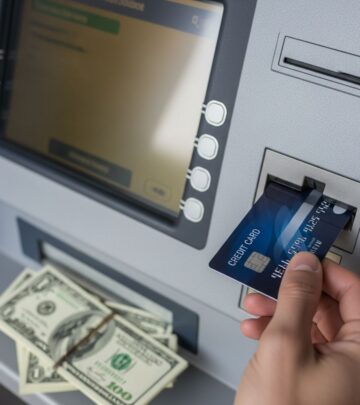
ATM Credit: Cash Advances Explained With Smart Tips
Discover how ATM credit works, its risks, fees, and smart strategies for using credit cards at ATMs effectively.
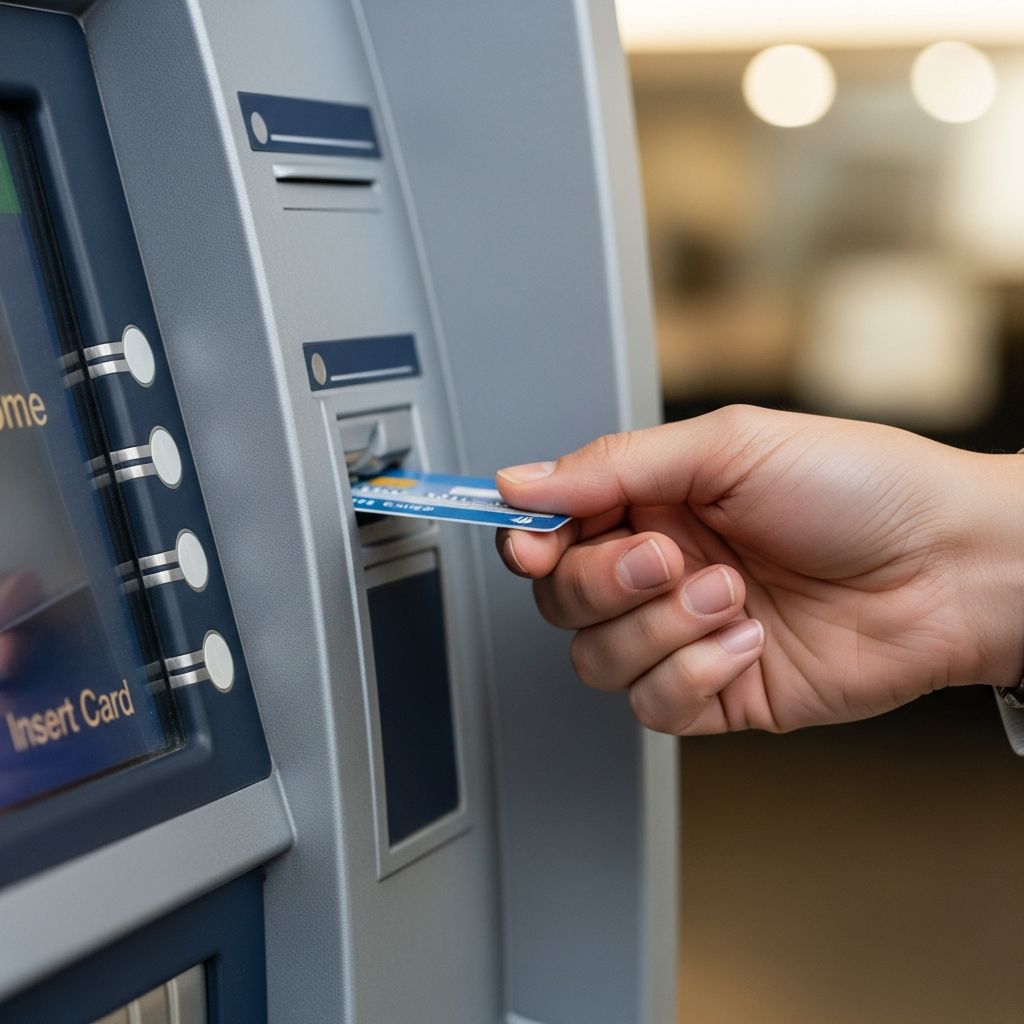
ATM credit refers to withdrawing cash from an automated teller machine using a credit card, known as a cash advance. This feature provides quick liquidity but comes with steep costs like immediate fees and high interest rates.
Understanding Cash Advances from Credit Cards
Credit cards allow cash withdrawals at ATMs by treating the transaction as a cash advance, distinct from regular purchases. Unlike debit transactions that deduct from your bank balance, cash advances borrow against your credit line, accruing interest from day one without a grace period.
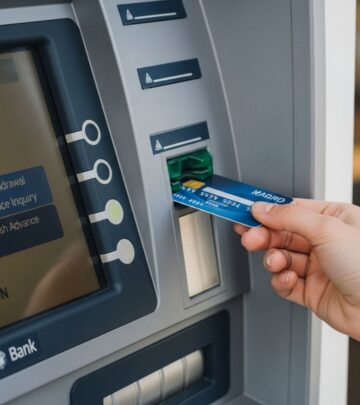
Banks link this function to your credit account via a PIN, similar to debit or ATM cards. Inserting the card and entering the PIN authorizes the withdrawal up to your available cash advance limit, often lower than your purchase limit.
How ATM Credit Transactions Operate
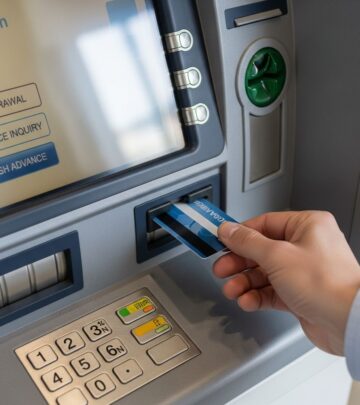
To perform an ATM credit withdrawal, locate a compatible machine, insert your credit card, and input your PIN. The ATM dispenses cash while debiting your credit card account. Expect a transaction fee of 3-5% of the amount or a flat minimum, plus the ATM operator’s surcharge if out-of-network.
- PIN Requirement: Most issuers require activating a cash advance PIN via app, phone, or branch.
- Daily Limits: Typically $500-$1,000, varying by issuer and account history.
- Processing Time: Funds appear instantly, but interest starts accruing immediately.
This process mirrors ATM card use but pulls from credit rather than deposit funds.
Key Costs and Fees Involved
ATM credit is expensive. Cash advance APRs often exceed 25-30%, higher than purchase rates, with no interest-free period. Fees compound costs:
| Fee Type | Typical Amount | Description |
|---|---|---|
| Cash Advance Fee | 3-5% or $10 min | Charged by card issuer per transaction. |
| ATM Surcharge | $2-$5 | Paid to ATM owner for non-network use. |
| Foreign Transaction Fee | 1-3% | Applies abroad or certain international ATMs. |
| Interest | 25-30% APR | Daily accrual from withdrawal date. |
Withdrawing $300 could cost $20+ upfront, plus $2+ daily interest.
Benefits and Drawbacks of Using Credit for ATM Cash
While convenient, ATM credit has trade-offs.
Advantages
- Access cash without a bank account balance.
- Builds credit utilization if managed well.
- Emergency liquidity when debit funds are low.
Disadvantages
- High Costs: Fees and interest erode value quickly.
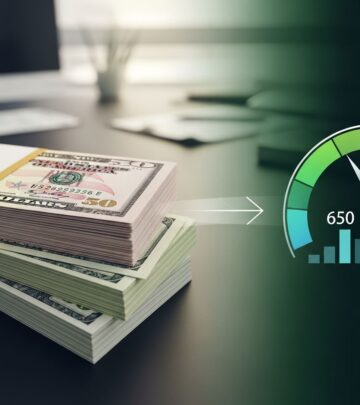
- Credit Impact: Increases utilization ratio, potentially hurting scores.
- No Rewards: Advances rarely earn points or cashback.
- Overlimit Risk: Easy to exceed limits, triggering penalties.
Comparing ATM Credit to Other Cash Access Methods
ATM credit differs sharply from ATM/debit cards.
| Feature | ATM Credit (Cash Advance) | ATM/Debit Card |
|---|---|---|
| Funds Source | Credit line (borrowed) | Bank account (your money) |
| Interest | Yes, immediate high APR | No interest |
| Fees | Advance + ATM fees | Possible out-of-network fees |
| Purchase Use | No, cash only | Yes, POS/online |
| Credit Building | Possible, but risky | None |
Debit cards offer broader utility without debt risk.
When ATM Credit Makes Sense
Use sparingly for true emergencies, like medical needs or travel shortfalls when alternatives fail. Avoid routine use; opt for savings, debit, or personal loans with lower rates.
- Short-term bridge until payday.
- Areas without debit acceptance.
- High-limit accounts for larger needs.
Strategies to Minimize ATM Credit Expenses
Reduce costs with these tips:
- Choose In-Network ATMs: Use issuer-partnered machines to dodge surcharges.
- Withdraw Larger Amounts: Fewer transactions mean fewer fees, if limits allow.
- Pay Off Immediately: Clear balance ASAP to limit interest accrual.
- Monitor via App: Track advances and set alerts for fees.
- Explore Alternatives: Balance transfers or 0% intro APR cards for cash needs.
Security Considerations for ATM Credit Use
Protect yourself: Cover PIN entry, use well-lit ATMs, and report lost cards instantly. Issuers offer zero-liability for unauthorized advances, but prompt reporting is key. Enable transaction alerts and avoid suspicious machines.
Regulatory Protections and Limits
U.S. regulations cap liability at $50 for unauthorized use if reported timely. CARD Act mandates clear fee disclosures. Check your card agreement for specific cash advance terms.
Frequently Asked Questions
Does ATM credit affect my credit score?
Yes, it raises utilization and may signal risk if balances linger.
Can all credit cards do ATM withdrawals?
Most do, but confirm with issuer; some exclude it.
Is ATM credit cheaper than payday loans?
Often yes, due to lower APRs, but still costly.
How to avoid cash advance fees?
Use debit, convenience checks, or peer-to-peer transfers instead.
What’s the average cash advance limit?
50% of total credit line, e.g., $2,500 on $5,000 limit.
Building Better Cash Management Habits
Prioritize emergency funds covering 3-6 months’ expenses to sidestep ATM credit. Apps for budgeting and high-yield savings enhance preparedness. Review statements monthly to catch advance patterns early.
In summary, ATM credit offers vital flexibility but demands caution. Leverage it wisely, favoring low-cost options for sustainable finances.
References
- ATM Cards vs Debit Cards: What’s the Difference? — SoFi. 2023. https://www.sofi.com/learn/content/atm-card-vs-debit-card/
- Difference Between Credit Card, Debit Card and ATM Card — Airtel. 2024. https://www.airtel.in/blog/credit-card/difference-between-atm-debit-and-credit-card/
- Debit cards and ATM cards: What are the differences and benefits — Webster First. 2023. https://www.websterfirst.com/blog/debit-cards-and-atm-cards-what-are-the-differences-and-benefits/
- Credit Cards vs. Debit Cards: Key Differences — Capital One. 2025-01-15. https://www.capitalone.com/learn-grow/money-management/credit-vs-debit-cards/
- ATM Card, Debit Card, Credit Card: What’s the Difference? — America Saves. 2024. https://americasaves.org/resource-center/insights/atm-card-debit-card-credit-card-what-s-the-difference/
- Credit Card vs. Debit Card: What’s the Difference? — Chase. 2025. https://www.chase.com/personal/credit-cards/education/basics/debit-card-vs-credit-card
Similar Articles








Read full bio of medha deb